

#MovieReview: A menacing depiction of the cycle of abuse
Where The Piano explored quiet sensuality, The Power of the Dog depicts a man wrestling for purpose and identity while trying to deal with a trauma he does not fully understand.
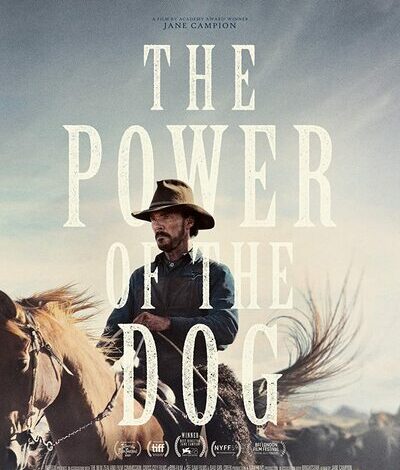
The Power of the Dog is a brutal deconstruction of masculinity and the cycle of abuse.
Recently awarded the Golden Globe for best drama feature, Jane Campion’s latest return to the big screen is often harrowing, but rewards close viewing.
Campion is one of the pre-eminent Indie film directors of the past 3 decades, known primarily for her best original screenplay nod for The Piano (1993).
Where The Piano explored quiet sensuality, The Power of the Dog depicts a man wrestling for purpose and identity while trying to deal with a trauma he does not fully understand.
It is a difficult and occasionally slow-moving story, but staying with it as a viewer will reveal greater depth and well-observed character study.
Spoilers to follow.
The Power of the Dog opens on a ranch in rural Montana in 1925, owned by prosperous Phil (Benedict Cumberbatch) and George (Jesse Plemons) Burbank.
The brothers have a fraught relationship, both using their wealth and influence in completely different ways.
Phil is almost comically masculine, leading the ranch hands and engaging in recreational homophobia and misogyny.
George is refined, wearing tailored suits and mingling with the governor, happy to use his privilege to upwardly mobilise his social class.
Campion is not willing to relegate their co-dependency to something so binary however, and there is clear reliance on a functionally dysfunctional relationship from both.
It is later discovered that the brothers were taken under the wing of cowboy Bronco Henry when their father committed suicide.
Henry is revered by Phil and he relishes any opportunity to retell one of the stories from their time together, learning the ropes as a rancher.
The main conflict of the film comes midway when George marries an innkeeper from the town, Rose (Kirsten Dunst).
With her comes an effeminate university aged son, Peter (Kodi Smit-McPhee), who has already been a victim of derision from Phil.
The marriage upsets the status quo of the Burbank household and Phil begins to lash out, punishing Rose for what he believes to be an attempt at getting at the brothers’ wealth.
In the best scene of the movie, Rose struggles with a piano recital while Phil plays the same chords on the banjo in his room in sneering mockery at her lack of ability.
There has been no banjo scene this menacing and unsettling since Deliverance.
Ramping up his cruelty, Phil decides to take Peter under his wing, much in the same way that Henry had done before him.
Phil clearly struggles with his sexual identity and wrestles with the fact that he is grooming Peter as Henry had.
A twist at the end is not worth ruining, but the cycle of abuse is no longer perpetuated.
The Power of the Dog is a difficult watching experience, but it is a rarity to see such a refined character study on film.
Cumberbatch and Smit-McPhee are both phenomenal. Expect their names to keep coming up throughout awards season.
Campion is also back at her best, delivering wide vistas and wider questions, with an ending that is bound to stay with you.
Rated 18 for Nudity and Sexual Content.
4/5.
For breaking news follow The North Coast Courier on Facebook, Twitter, Instagram and YouTube.
Join our Telegram Broadcast Service at: https://t.me/joinchat/yJULuN8NaCs5OGM0
Join our WhatsApp Broadcast Service: Simply add 082 792 9405 (North Coast Courier) as a contact to your phone, and WhatsApp your name and surname to the same number to be added.
Stay in the loop with The North Coast Courier on Facebook, X, Instagram & YouTube for the latest news.
Mobile users can join our WhatsApp Broadcast Service here, or if you’re on desktop, scan the QR code below.