South Africa commemorates International Anti-Corruption Day: Leaders emphasise integrity, citizen empowerment and multisector collaboration
Deputy Minister Hlengwa Sets the Tone: Integrity as the Foundation of the State
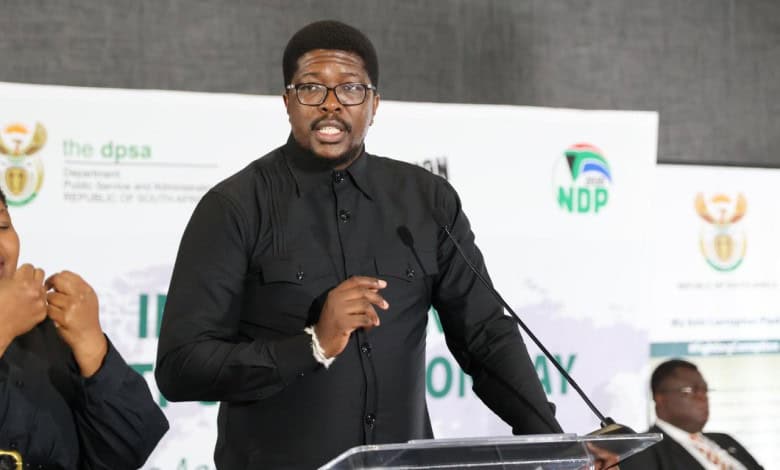
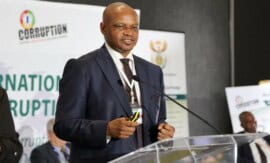
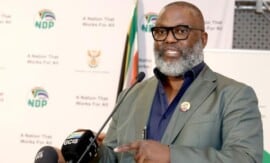
South Africa’s observance of International Anti-Corruption Day on 9 December 2025 brought together government leaders, oversight institutions, ethics specialists, international partners, and civil society organisations. The Deputy Minister of Transport, Mr Mkhuleko Hlengwa, delivered the keynote address on behalf of the Minister for the Public Service and Administration, Inkosi Mzamo Buthelezi.
Hlengwa emphasised that corruption is a moral breach that erodes public trust and undermines democratic governance. He stated that 2025 marks a decisive moment in strengthening the country’s integrity framework, highlighting that service delivery failures amount to broken promises to citizens. Accountability, he stressed, is non-negotiable, and integrity must be embedded across all state institutions.
He outlined ongoing interventions that government is focussing on, which includes lifestyle audits for senior management, a central discipline register preventing dismissed officials from returning to public service, blacklisting habitual offenders in the public and private sectors, eliminating ghost employees, enforcing payroll integrity, and taking firm action against misconduct. He also reiterated that the strengthening of protections for whistleblowers remains central, given the growing threats they face.
Hlengwa cautioned that everyday acts, such as paying bribes, buying fraudulent licences, falsifying qualifications, or accepting salaries without working, are forms of corruption that collectively weaken the state. He called for a renewed moral consciousness and urged over the holiday period for citizens to ‘ensure everyone arrives alive’, linking ethical behaviour to broader public responsibility.
He emphasised that defeating corruption requires a capable, developmental and professional state, fair and transparent procurement systems, and co-operation across government, business, academia, the media, and communities. “South Africa can and will win this fight,” he affirmed.
Director-General Vukela highlights the global and national anti-corruption agenda
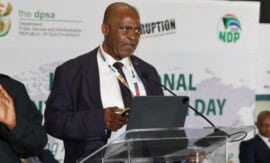
The Department of Public Service and Administration (DPSA) director general, Willie Vukela, reflected on global anti-corruption frameworks, including the United Nations Convention Against Corruption, which places citizens at the centre of prevention efforts. He warned that corruption undermines democratic institutions and service delivery and encouraged all sectors to increase public awareness and vigilance.
Vukela also highlighted South Africa’s 2025 G20 Presidency and its contribution to developing critical anti-corruption instruments, including asset recovery guidance and whistleblower protection reports, framed under the G20 theme: Solidarity, Equality, Sustainability. International partners, including the United Nations, the Government of Canada, and Public Service Commission commissioners Yasmin Bacus and Vusimuzi Mavuso, joined in reaffirming the importance of collaboration.
Insights on ethical culture and law enforcement
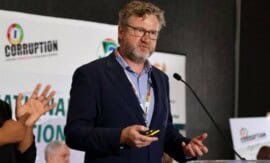
A significant contribution came from The Ethics Institute’s senior manager for organisational ethics, Kris Dobie, who presented the latest national survey on public sector ethics — South Africa’s most extensive indicator of ethical culture. Based on responses from over 7 100 public servants, the survey reveals a growing awareness of ethical standards but persistent concerns about reporting wrongdoing. Many employees distrust internal reporting channels or fear retaliation. Dobie emphasised that accountability, fairness, leadership, and whistleblower protection are fundamental to building resilient ethical institutions.
From a law enforcement perspective, acting national head of the Directorate for Priority Crime Investigation (DPCI) and chairperson of the National Priority Crime Operational Committee (NPCOC), Lieutenant General Siphesihle Nkosi, described corruption as a complex, digitised, and transnational threat. He emphasised that no single entity could combat such networks on its own. South Africa’s successful exit from the FATF Grey List in 2025, he noted, was achieved through co-ordinated action across regulators, enforcement agencies, financial institutions, and government. Nkosi explained how the NPCOC strengthens integrated responses to organised and commercial crime through shared intelligence, common standards, and co-operative enforcement.
Strengthening governance at the local level
Advocate Neels van der Merwe, representing Public Protector Advocate Kholeka Gcaleka, highlighted local government as the frontline where citizens most directly feel the effects of corruption. While many municipalities are making progress, he urged continued investment in leadership stability, infrastructure maintenance, and internal controls.
Van der Merwe reported that compliance with Public Protector remedial actions has improved significantly — from a historic 2% to 39% — reflecting stronger co-operation across municipalities. He outlined the role of Project Criminal Assets Recovery Account, which enhances investigative capacity through forensic and procurement expertise, and encouraged the adoption of the Code for Ethical Leadership in Local Government to strengthen professionalism. He reaffirmed that the Public Protector’s office remains a partner in building an ethical and developmental state.
Protecting whistleblowers and empowering citizens
Ben Theron, the CEO of The Whistleblower House (TWBH), delivered one of the day’s most compelling messages by emphasising the vital role whistleblowers play in safeguarding public funds and democratic accountability. TWBH has supported 434 whistleblowers in three years, many of who face intimidation, job loss, and psychological trauma. Theron noted that whistleblowers save the country billions — referencing cases involving Daybreak Farms, SAA, and Tembisa Hospital — yet often lack legal or emotional support.
He advocated for stronger protections, specialised whistleblower courts, pro bono legal networks, and greater public awareness to shift societal attitudes. TWBH’s free guidebooks and forthcoming educational vodcasts aim to equip whistleblowers with practical tools for safe and informed reporting.
Advocate Andy Mothibi, the head of the Special Investigating Unit (SIU), reinforced the importance of active citizenry and cross-sector collaboration. He highlighted the success of anti-corruption forums in high-risk sectors, supported by independent evaluations. Mothibi also outlined the forthcoming National Corruption Risk Management and Prevention Framework, which transitions the country from reactive enforcement to proactive detection through lifestyle audits, real-time data analytics, and enhanced vetting. Whistleblower protection, improved procurement systems, and citizen engagement remain core pillars of the National Anti-Corruption Strategy.
A shared national resolve
Across all contributions, a clear message emerged: Corruption is too complex for any entity to tackle alone. South Africa’s progress depends on ethical leadership, empowered citizens, trusted reporting systems, the protection of whistleblowers, and strong partnerships among government, business, civil society, media, and communities.
International Anti-Corruption Day 2025 affirmed that South Africa has the institutions, expertise, and collective resolve necessary to build a transparent, accountable, and ethical state. As the country advances, leaders and citizens alike echo the same principle: Integrity must guide every decision, every institution, and every sphere of government.