Young researchers dive into ocean challenges at Blue Schools
From plastic pollution to protecting estuaries, young scientists put their knowledge to the test at the annual conference.
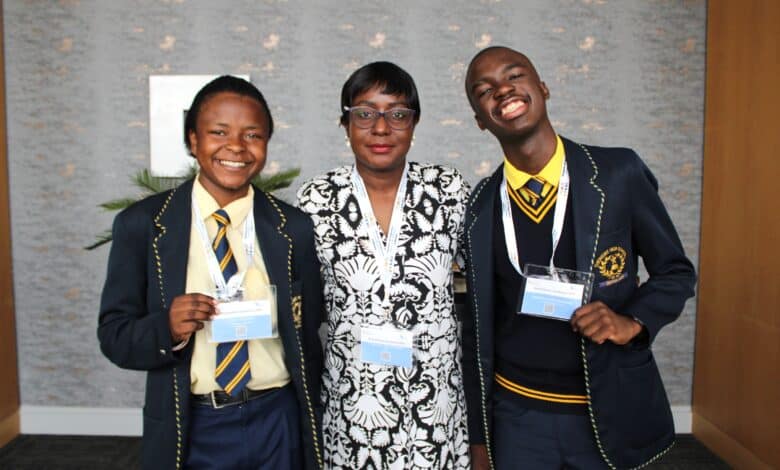
YOUNG environmental researchers were recently given the opportunity showcase their scientific skills and explored solutions to pressing ocean challenges at the 2026 Blue Schools Conference in uMhlanga.
The annual conference, hosted by the SA Environmental Observation Network (NRF-SAEON) in October, brought together Grade Six to 11 learners from across SA to present their environmental research projects and participate in marine science activities.
It marked the culmination of months of work by participating learners, who began their journey in February by completing a portfolio of activities before submitting their research projects by July 29.
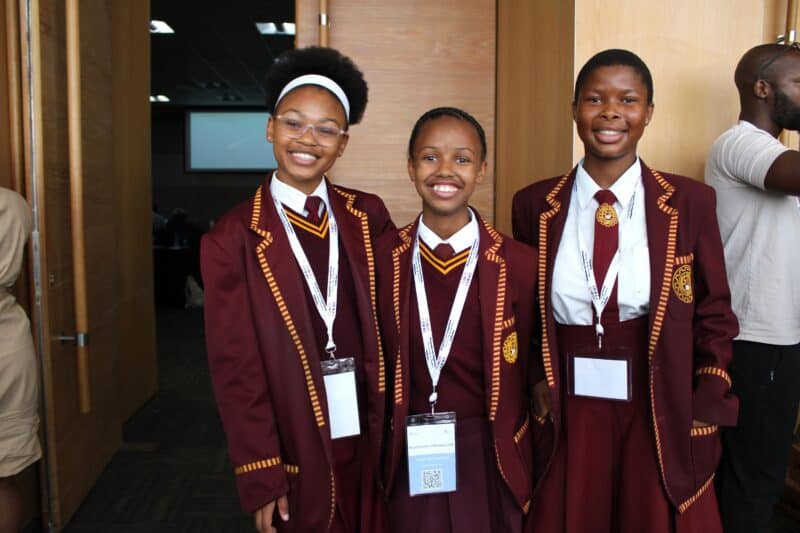
Shortlisted learners were invited to develop interdisciplinary research projects exploring a range of ocean-related challenges, including water pollution, the state of South African estuaries, and the effects of plastic and noise pollution on the marine environment and economy.
Also Read: Chelsea Preparatory cricketers smash four centuries
The conference gave top-performing learners an opportunity to present their findings, share ideas and demonstrate how young people could contribute to addressing environmental challenges.
Among them was Ndzondelelo High School Grade Eight learner Sikhusele Nkotobe who received the Best Presentation Award and Touwsrivier Primary School Grade Seven learner Ju-Ane Morris who took home second place.
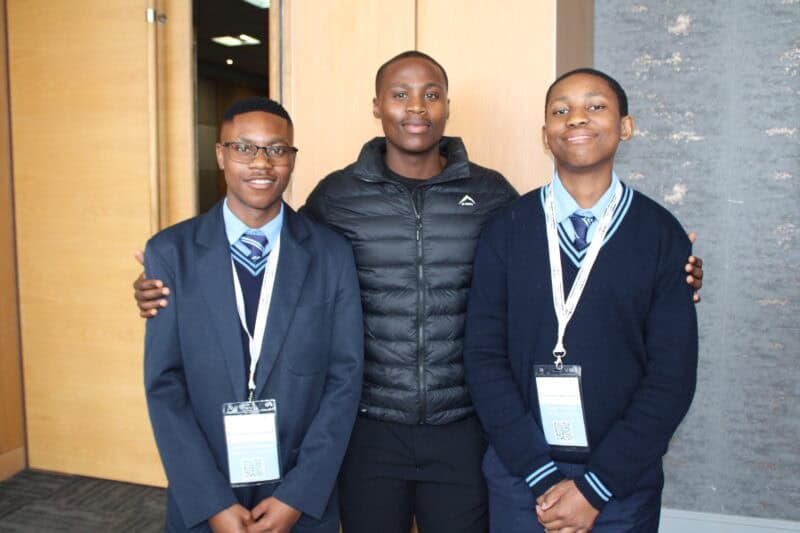
The young learner who flew in from the Western Cape said she was delighted with her win. “I am happy that my hard work paid off,” she said.
Her excitement was echoed by one of 2025 winners Netshikovhela Ndamulelo who travelled from Limpopo to share his research with this year’s cohort.
Also Read: Woman completes swim from Durban to uMhlanga for conservation
“It was a wonderful experience,” said Ndamulelo. “We learnt about the ocean and the threats as well as challenges affecting ocean quality.”
Apart from exposing the budding scientist to field work, the initiative forms part of UNESCO’s International Global Blue Schools Network, which aims to increase ocean awareness. The aim is for the learners to translate knowledge into action to support sustainable oceans among both coastal and inland communities.
Beyond showcasing their research, the initiative introduced learners to potential careers in marine biology, oceanography, environmental conservation and sustainable resource management.
Through the programme, learners were encouraged to turn their scientific knowledge into practical action and become active participants in protecting the country’s marine environment.
For more from Northglen News, follow us on Facebook ,X or Instagram. You can also check out our videos on our YouTube channel or follow us on TikTok.
Click to subscribe to our newsletter – here