
HIV vaccine in the pipeline
BRAAMFONTEIN – New study has important implications for the design of a protective HIV vaccine.
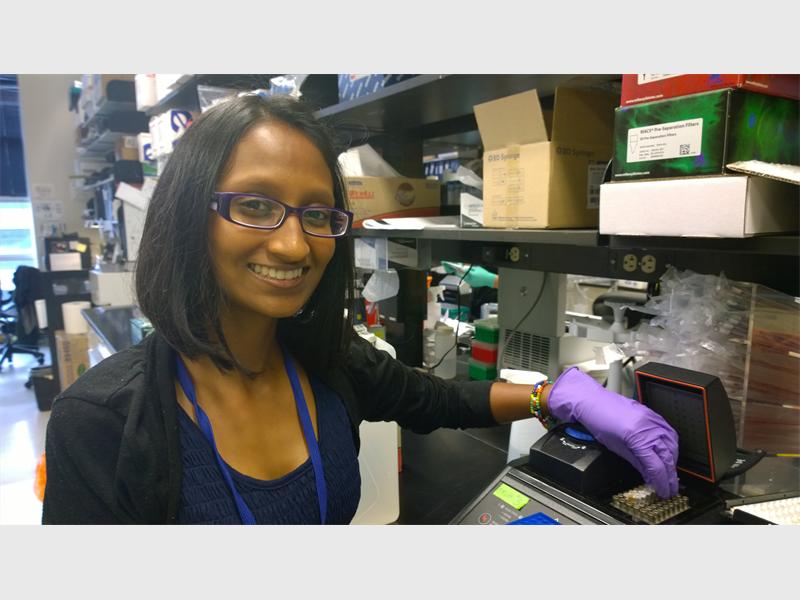
Jinal Bhiman, a PhD student from the University of the Witwatersrand, published a study in the prestigious journal, Nature Medicine on 12 October. In her study she describes how the changing viral swarm in an HIV infected person can drive the generation of antibodies and enable them to neutralise HIV strains from across the world. Bhiman, a PhD student in the Faculty of Health Sciences is the lead author of the study, titled: Viral variants that initiate and drive maturation of V1V2-directed HIV-1 broadly neutralizing antibodies.
Professor Penny Moore, from the National Institute of Communicable Diseases said that the study has important implications for the design of a protective HIV vaccine.
Prof Moore said that the development of a vaccine remained the best possibility for ending the HIV pandemic. However, she added that the researchers pointed out a major challenge with the inability to stimulate broadly neutralising antibodies that are able to deal with the enormous variability of HIV.
Moore pointed out that while some infected people were naturally able to make broadly neutralising antibodies, these antibodies often had unusual features, and generally needed to go through an extensive maturation process in order to acquire breadth. “Studying these rare people to understand how such antibodies develop, provides a road map for vaccine strategies,” she said.
“The study also showed how these early antibodies matured to become broadly neutralising. As the HIV-swarm struggled to evade these potent early antibodies, it changed through many mutations in its surface protein. This exposed the maturing antibodies to a diverse range of viruses within this single infected woman,” Prof Moore said.
Prof Moore concluded that these findings provided insight for the design of vaccines that can kick-start and shape the maturation of broadly neutralising antibodies in HIV uninfected individuals, to provide protection from HIV exposure.
Related articles:
Men to get the snip in fight against HIV
World Aids Day: Reflecting on progress made in Aids fight