Westdene and UJ hand cycling champion discusses the state of para-sports in SA
WESTDENE – Stop pretending that disabled people don't exist and make a change.
We all recognise that sport is an amazing tool used to bring people together.
We push those around us to perform at the highest level of their sporting code and fight for them to be respected and honoured for their sporting ability, yet we don’t do the same for para-athletes.
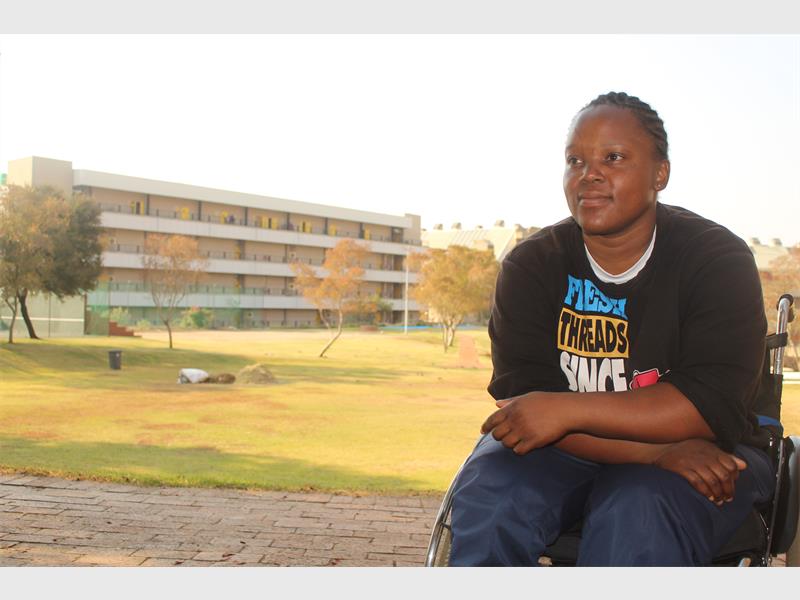
This frustrates hand-cycling national champion Palesa Manaleng. She believes that the state of para-sports in the country is in bad shape. Manaleng questioned, “How many people watch the sport, why is disability sport equipment imported to SA, why is it that only limited venues offer disability sports?”
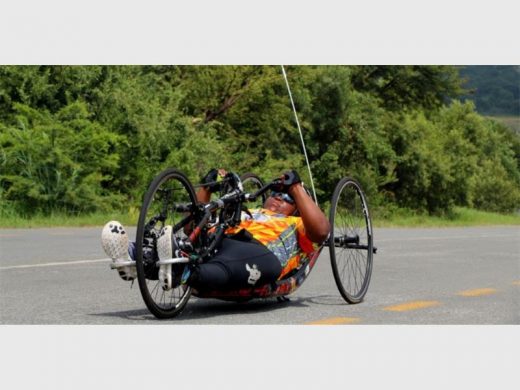
Apart from the lack of coverage and conversations around para-sports, there is also an intense need for development and education about the sporting code. “Development is poor here. We should be having schools that are offering these sports. We shouldn’t have people [contacting] me on Facebook looking for information on disabled sports saying they have been disabled for 20 years. This person should be the one that’s leading in these sports.”
Due to the lack of competitive para-sports events in South Africa, Manaleng is forced to enter able-bodied events such as the Walk the Talk race. She has no choice and needs a platform to test whether her hours of gym and training are helping. “Why is it that when we are hosting major marathons and race events we don’t create a section for wheelchair racers? It’s important because if the children don’t see it, they don’t play it.”
The way forward, according to Manaleng, is to stop pretending that differently-abled people cannot play sport or participate in day-to-day activities. She criticised the lack of schools for the disabled and the extremely high costs of those that do exist. “What happens if you are 13 and break your spine? You were going to school across the road, now all of a sudden you don’t go to school anymore because your parents can’t afford to send you to a boarding school for the disabled and your old school can’t accommodate differently-abled people.”
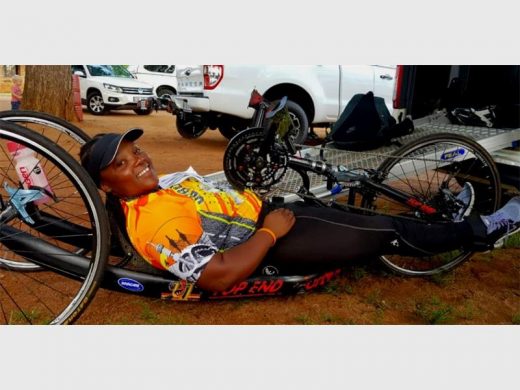
She believes that the first step to solving this is to ensure that disabled people are given the chance to experience everything this country has to offer in the same way that able-bodied people can. Things such as disabled people-friendly schools, social events, sports, workspaces, public services, and others are key to reminding the public that disabled people do exist and they too can live their life.
Related article:
Minky Tshabalala combines her love for sports and science for a high-performance sports career