
Load-shedding, prompting a new way of life, just as Covid-19 did
Here are some helpful tips on how to reduce the waste of perishable food items during power outages.
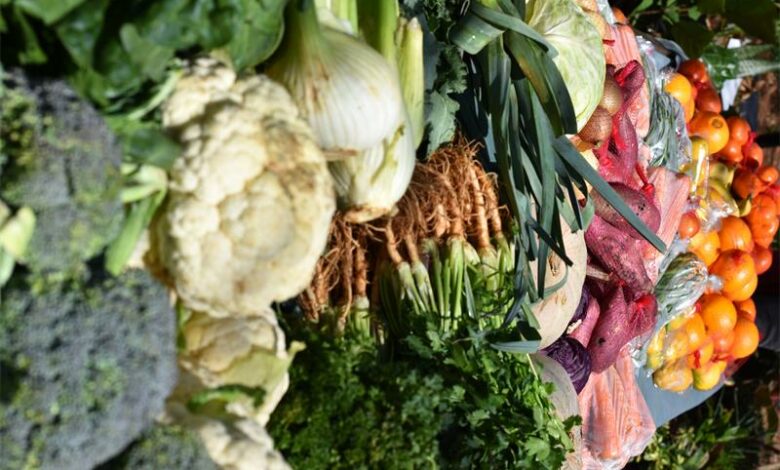
Resident and Fairland community leader Mahmood Cassim shared some useful tips on how to reduce perishable food waste during the current load-shedding crisis.
With longer and more frequent power outages, perishable food items will have a shorter shelf life than normal.
Electrical appliances such as fridges and freezers may stop working due to being constantly turned on and off, and because of spikes in the electrical current when power is restored.
Buying just enough basic food items for a few days has become the new normal for households, unlike in the past when one could stock up on bulk items which often come with more competitive prices.
Like those at home, convenience stores, food outlets, and greengrocers can often not afford to either buy generators or run them at levels required to keep cooling equipment running. Costs are either passed on to consumers for additional expenses such as fuel, or the shops lose items they have purchased for sale because they spoil so quickly.
If family budgets allow, ordering smaller numbers of items for home delivery is also a good option as goods can be replenished when they have been eaten rather than buying items in a store which is convenient and may prevent you from buying more than needed. It also saves on the schlep of going to the shops.
It would be prudent to check expiry dates on food items and try to shop where there is a high volume of customers, as this may mean that items and produce are fresh.
Lastly, keep an eye out for specials on perishable food as they may be priced down because they are nearing their best-before date which means they will spoil faster at home if not consumed quickly.
Related Article:
Load-shedding costs City Power R3.6million a day during load-shedding