
Celebrating World Autism Awareness Day
Mark your calendars for April 2, World Autism Awareness Day is a chance to educate, advocate and celebrate the unique strength of individuals on the autism spectrum. Light up the blue and spread the message of inclusion.
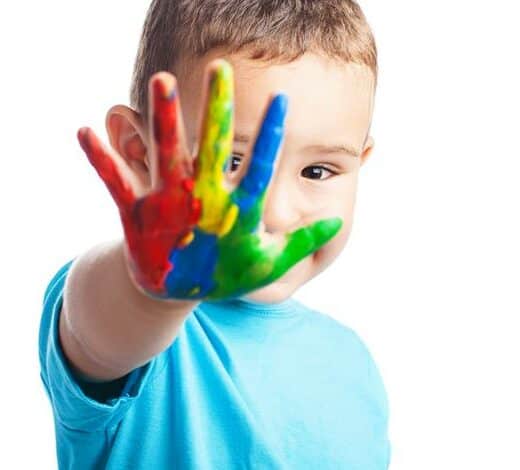
World Autism Awareness Day is an international observance dedicated to raising awareness about autism spectrum disorder (ASD) and promoting acceptance, inclusion, and support for individuals with autism.
This day is an opportunity to educate the public about the challenges and strengths of those on the autism spectrum, to celebrate the contributions of individuals with autism, and to advocate for greater understanding and acceptance within society.
Read more: Shining a Light on Autism
What is autism?
According to Autism South Africa, autism is a complex group of neurodevelopmental disabilities. It is considered a spectrum as each person has different strengths and abilities and requires different types and levels of support. Neurodevelopment means that the brain and nervous systems are affected. In autism, this can be in both positive and negative features. Autistic people can experience the world differently.
What is World Autism Awareness Day?
World Autism Awareness Day is observed every year on April 2. The date was designated by the United Nations General Assembly in 2007 to shine a light on autism as a growing global health issue and to encourage worldwide support for individuals with autism and their families. It is an annual event that highlights the need for increased awareness and understanding of autism spectrum disorder.
Autism affects millions of people worldwide, impacting their social, communication, and behavioural skills to varying degrees. The day serves as a platform to address the misconceptions and stigma surrounding autism, to promote early diagnosis and intervention, and to support the rights and well-being of individuals with autism. It is also a time to celebrate the unique perspectives and talents that people with autism bring to their communities.
How to celebrate World Autism Day
There are many ways to participate in World Autism Awareness Day and promote acceptance and understanding of autism:
- Light It Up Blue: Join the global campaign to Light It Up Blue by wearing blue clothing or accessories, or by lighting up buildings and landmarks in blue. This symbol of solidarity helps raise awareness and show support for individuals with autism.
- Educate Yourself and Others: Take time to learn more about autism spectrum disorder, including the experiences of those who live with it. Share resources, books, documentaries, and personal stories to help educate your community.
- Support Autism-Friendly Businesses: Visit and support businesses that are inclusive and accommodating to individuals with autism. Your support helps create environments where everyone feels welcome and understood.
- Participate in Fundraising Events: Join or organise events such as walks, runs, or virtual fundraisers to support organisations that provide resources, advocacy, and support for people with autism and their families.
- Advocate for Inclusion: Support policies and initiatives that promote inclusion and accessibility for individuals with autism in schools, workplaces, and public spaces. Your advocacy can help ensure that everyone has the opportunity to thrive.
- Share on Social Media: Use social media to spread messages of acceptance and inclusion. Share facts, personal stories, and event details using relevant hashtags to raise awareness and encourage others to take part.
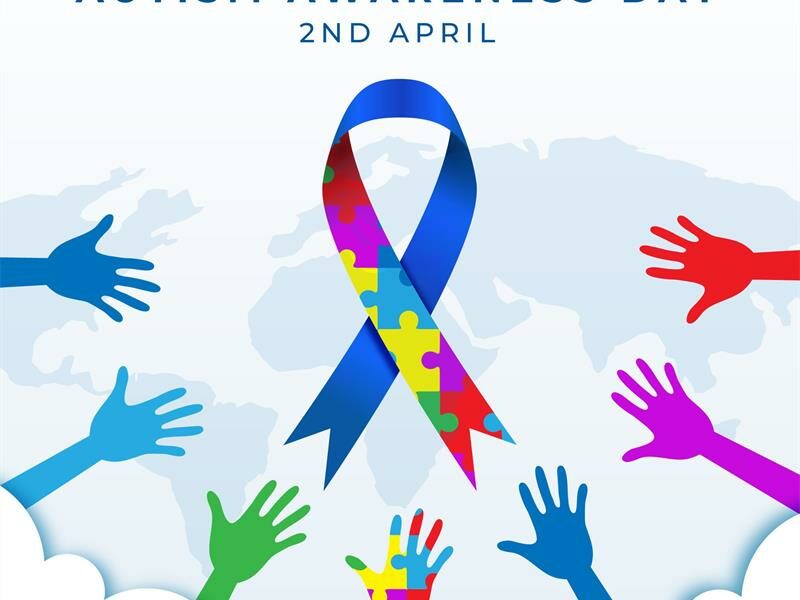
World Autism Day aims at promoting acceptance, inclusion, and support for individuals with autism. Also read: Everything you need to know about service, guide and autism support dogs
History of World Autism Day
World Autism Awareness Day was established by the United Nations General Assembly in 2007 to address the growing need for awareness and support for individuals with autism spectrum disorder.
The day was created aiming to promote a better understanding of autism and to advocate for the rights of individuals with autism to live full and meaningful lives. Since its inception, World Autism Awareness Day has become a global movement, with activities and events taking place in countries around the world, all aimed at fostering a more inclusive and supporting society for people with autism.
The National Autistic Society highlighted the following statistics:
- About 8 in 10 autistic people experience a mental health challenge during their lifetime
- Only 26% of autistic learners feel happy at school
- Only 30% of autistic people are in any type of employment.
Key facts:
- Autism – also referred to as autism spectrum disorder – constitutes a diverse group of conditions related to the development of the brain.
- About 1 in 100 children has autism.
- Characteristics may be detected in early childhood, but autism is often not diagnosed until much later.
- The abilities and needs of autistic people vary and can evolve. While some people with autism can live independently, others have severe disabilities and require life-long care and support.
- Evidence-based psycho-social interventions can improve communication and social skills, with a positive impact on the well-being and quality of life of both autistic people and their caregivers.
- Care for people with autism needs to be accompanied by actions at community and societal levels for greater accessibility, inclusivity and support.
Assessment and care
World Health Organisation (WHO) outlined that a broad range of interventions, from early childhood and across the lifespan of a person, can optimise the development, health, well-being and quality of life of autistic people. Timely access to early evidence-based psycho-social interventions can improve the ability of autistic children to communicate effectively and interact socially.
The monitoring of child development as part of routine maternal and child health care is recommended. It is important that, once autism has been diagnosed, children, adolescents and adults with autism and their carers are offered relevant information, services, referrals, and practical support, in accordance with their individual and evolving needs and preferences as stated by WHO.
Th health-care needs of people with autism are complex and require a range of integrated services, that include health promotion, care and rehabilitation. Collaboration between the health sector and other sectors, particularly education, employment and social care, is important.
Interventions for people with autism and other developmental disabilities need to be designed and delivered with the participation of people living with these conditions. Care needs to be accompanied by actions at community and societal levels for greater accessibility, inclusivity and support.
Information sourced from:
- Autism South Africa
- World Health Organisation (WHO)
- National Autistic Society
- Awareness Day.com
Follow us on our Facebook, X, Instagram, and TikTok pages. Join our WhatsApp group for any story ideas you may have.
Related article: Can CBD help kids with autism?