
Ombudsman by-law revamped for a fairer future in Johannesburg
The office of the Ombudsman's recent revisions of their 2014 by-law aims to change and enhance accountability, empower residents, and foster trust between the city and its constituents.
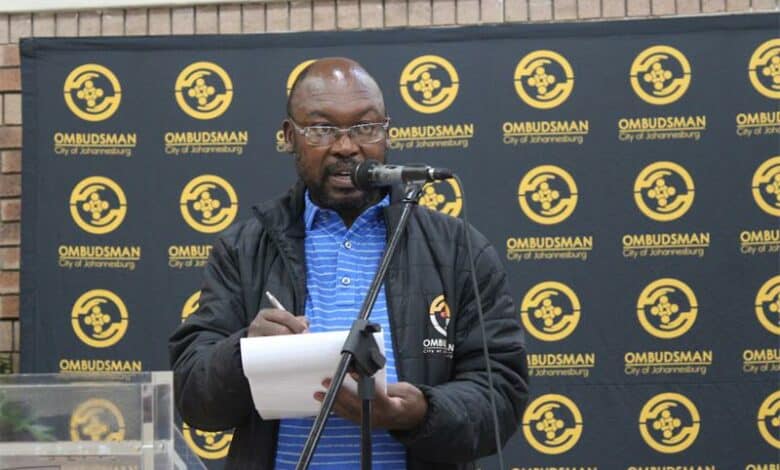
The office of the Ombudsman has made significant revisions to its by-law, aimed at enhancing accountability and responsiveness within the city’s governance.
Advocate Siduduzo Gumede, the Ombudsman, emphasised the importance of these changes during a recent press briefing. The original Ombudsman’s by-law was passed in 2014. It was revised last year in February, only to find that there were gaps in responsiveness and internal escalation mechanisms in the original, which prompted the revisit.
Read more: Ombudsman hosts clinics for active citizenry
The new promulgated Ombudsman by-law 2023/2024 aims at:
• Closing gaps. (Lack of responsiveness and internal escalation mechanisms that have been identified during investigation of complaints raised with the office since its inception.)
• Strengthening the powers of the office of the Ombudsman, to ensure its independence, efficiency, and effectiveness, and that remedial actions of the Ombudsman are binding, whilst city departments, and entities, implement the Ombudsman’s remedial action.
• Covering offences, penalties, and consequences regarding non-compliance within the provision of the by-law.
Key Changes to the by-law
The revised Ombudsman by-law 2023/2024, introduces several critical amendments:
• Alignment with legislative requirements: The by-law has been amended to ensure consistency with current legislative frameworks, allowing the Ombudsman to implement its functions more effectively.
• Enhanced clarity: A focus on plain language has been adopted to make the by-law more readable and accessible to the public.
• Strengthened powers: Notably, the new by-law grants the Ombudsman the authority to issue subpoenas, a power not previously available.

Also read: Office of the Ombudsman for the City of Johannesburg holds lecture at Nadine Gordimer Auditorium
This includes the ability to:
• Demand the appearance of city employees and the production of relevant documents.
• Administer oaths to employees during investigations.
• Enter city-owned premises to examine records and documents.
• Require compliance from city departments and municipal entities regarding remedial actions.
Gumede stated: “These changes give us ‘more teeth’ in holding city officials accountable, ensuring that residents do not suffer from improper service delivery.”
Anticipated impact on Johannesburg
The revised by-law is expected to foster greater accountability among city employees, reinforcing the Ombudsman’s role as a mediator between the city and its residents.
Gumede highlighted the importance of community engagement, urging residents to utilise the proper channels for complaints, rather than resorting to extreme measures like protests or non-payment of bills.
Despite the positive changes, Gumede acknowledged ongoing challenges. He noted that while by-laws are intended to enforce regulations, there is often a lack of awareness among residents regarding their rights and the processes involved. “This disconnect can lead to mistrust between the city and its constituents, particularly when residents feel uninformed about changes that affect them.”
He concluded that the Ombudsman’s revised by-law represents a significant step towards improving governance in Johannesburg, with the potential to empower residents and enhance service delivery. Gumede remains optimistic about the future, encouraging active participation from the community to ensure these changes lead to meaningful improvements.
For more information, community members can contact the communication deputy director, Corrine Lekhoane, on 081 309 8360
Follow us on our Facebook, X, Instagram, and TikTok pages. Join our WhatsApp group for any story ideas you may have.
Related article: Chinese delegation visits City of Joburg ombudsman