WaterCAN calls for community engagement to protect local ecosystems
Invasive species are taking over our public spaces, threatening native plants and wildlife.
The health and biodiversity of public open spaces, such as Westdene Dam and Braamfontein Spruit, are increasingly threatened by invasive species.
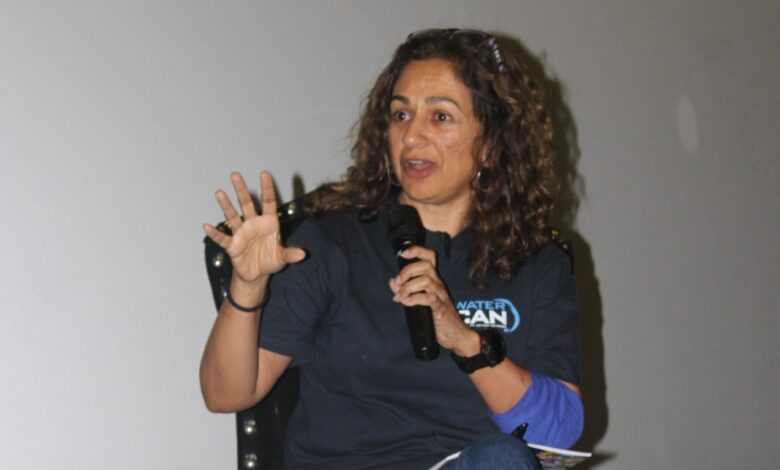
These non-native plants and animals disrupt local ecosystems, outcompeting indigenous species and degrading the overall health of these vital areas, says executive manager of WaterCAN Dr Ferrial Adam.
Read more: Water crisis exposes infrastructure struggles
She stressed the importance of managing invasive species to protect local diversity. “Invasive species can alter soil and water systems, making it difficult for native plants to survive,” she explained.
The impact of invasive species extends beyond mere competition; they can fundamentally change the dynamics of local ecosystems. She said that these disruptions can lead to a decline in native flora and fauna, ultimately affecting the entire food web. “I advocate for active management strategies, including regular clearing of invasive species and community education on the importance of preserving native biodiversity.”
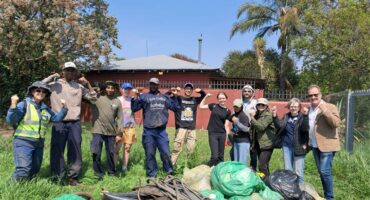
She stressed that community involvement is essential in addressing the challenges posed by invasive species. Residents can participate in local conservation efforts by volunteering for removal projects, attending education workshops, and report sightings of invasive species.
“When communities come together to manage these threats, they not only restore ecological balance; they foster a deeper connection to their environment.”
Follow us on our Whatsapp channel, Facebook, X, Instagram and TikTok for the latest updates and inspiration! Have a story idea? We’d love to hear from you – join our WhatsApp group and share your thoughts!