
City Power’s strategy to recover millions from defaulters
Facing a staggering R1.6b in unpaid bills, City Power is ramping up efforts with weekly disconnection drives aimed at recovering R30m from high-debt customers.
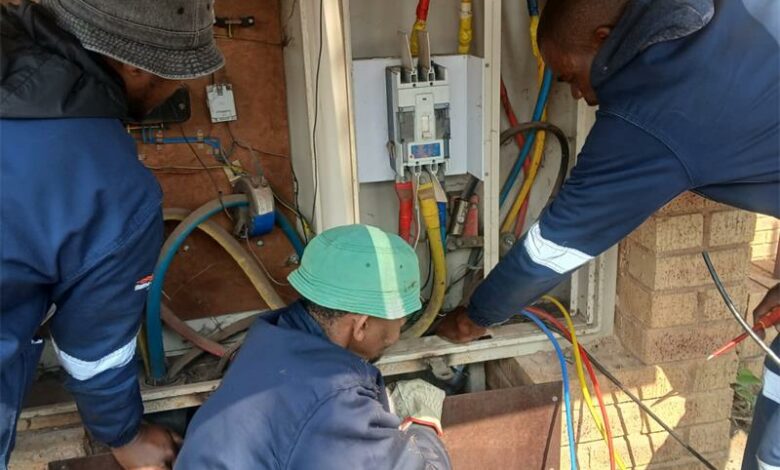
In a decisive move to address the growing concern over unpaid electricity bills, City Power’s Hursthill Service Delivery Centre continued with its strategic initiative, dubbed Billion-Rand Blitz, aimed at recovering R30m from an outstanding debt of R1.6b.
This initiative comes as the utility grapples with the financial strain caused by persistent non-payment from residential and commercial customers.
City Power spokesperson, Isaac Mangena, said that the cornerstone of City Power’s recovery strategy was a series of weekly revenue collection campaigns that specifically targeted high-debt defaulting customers.
Read more: City Power disconnects customers owing R21m
City Power employs data-driven methods to identify high-debt accounts, prioritising those with significant arrears. “The process begins with an analysis of customer payment patterns, highlighting accounts that are inactive or suspected of illegal connections,” he said. “The metering team conducts comprehensive audits to determine the level of disconnection required. If a customer is found to have an illegal connection or has illegally reconnected themselves to the network, disconnection procedures are initiated.”
City Power’s weekly disconnection operations follow a meticulous process. The City of Johannesburg’s credit control team conducts an ageing analysis of accounts, followed by a detailed evaluation to identify defaulters. He said customer addresses were audited through site visits to verify accuracy, and the collected information was reviewed to prioritise accounts for disconnection. Coordination with the Security Risk Management Department ensures the safety of personnel involved in the operation.
Effects of outstanding debt
The outstanding debt of R1.6b poses a significant threat to City Power’s operations and service delivery, said Mangena. He added that the financial shortfall limited the utility’s capacity to maintain and upgrade essential electrical infrastructure, leading to prolonged outages that affected the reliability of the electricity supply for residents and businesses across Johannesburg. “This loss in revenue directly impacts daily operations, restricting funding for critical projects such as smart metering technologies and infrastructure upgrades.”
Moreover, many defaulting customers are reluctant to engage with City Power to settle their debts or seek guidance on compliance options. “Despite the utility’s efforts to offer flexible payment arrangements – such as 50% upfront with installments over six months or 30% with installments over three months – many customers fail to take advantage of these solutions.
However, City Power faces significant challenges in its recovery efforts. The prevalence of illegal reconnections, where customers unlawfully restore their electricity supply after disconnection, undermines revenue recovery initiatives and places additional strain on the electrical grid.
He outlined that to track progress in recovering outstanding amounts, City Power conducts regular meter audits and physical inspections to identify repeat offenders, while disconnections are enforced until outstanding debts, reconnection fees, and penalties are settled. The utility aims to foster compliance among customers, encouraging responsible electricity consumption and ensuring uninterrupted service.
Additionally, many defaulting customers are reluctant to engage with City Power to settle their debts or seek guidance on compliance options, complicating the recovery process further.
Follow us on our Whatsapp channel, Facebook, X, Instagram, and TikTok for the latest updates and inspiration!