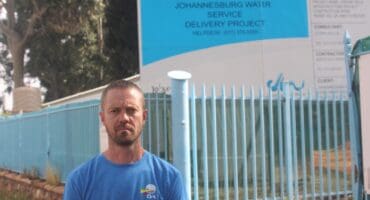
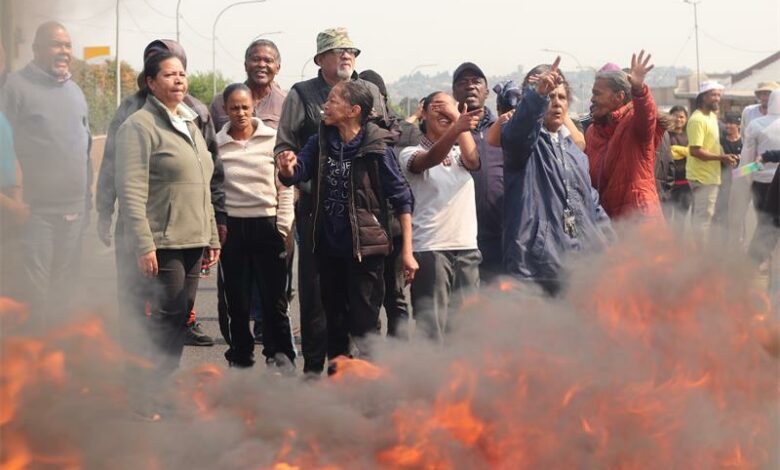
Residents of Johannesburg’s suburbs, including Coronationville, Westbury, Sophiatown, and Newclare, have been enduring prolonged water supply disruptions, severely impacting their daily routines.
The lack of reliable water access has made basic activities, such as washing clothes, bathing, cooking, and cleaning, increasingly difficult, sparking frustration and unrest in these communities.
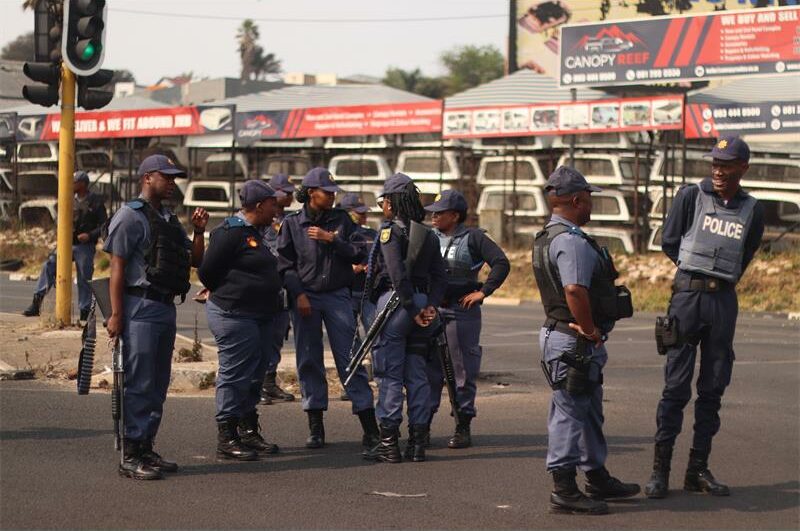
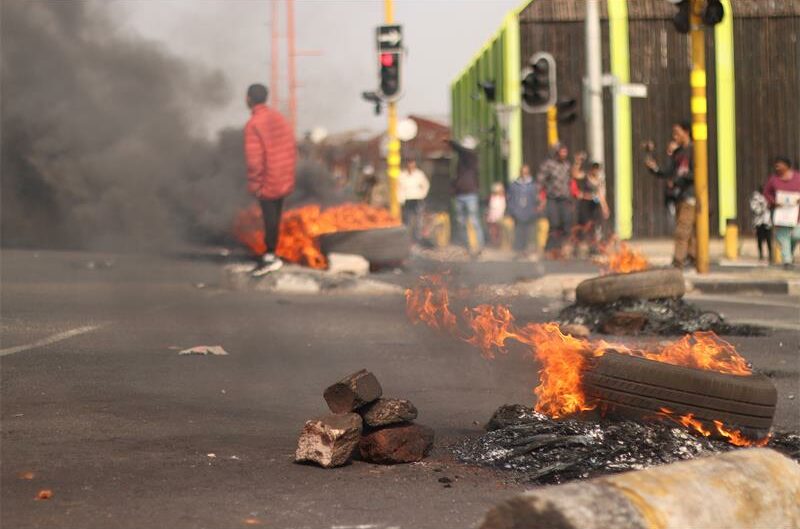
Over September 10 and 11, residents took to the streets in protest, demanding answers and action from city officials. The demonstrations escalated to road blockades, burning tyres, and confrontations with SAPS involving rubber bullets, underscoring the depth of the community’s desperation for a fundamental human right: Water.
Read more: Protest erupts in Coronationville over water shortages
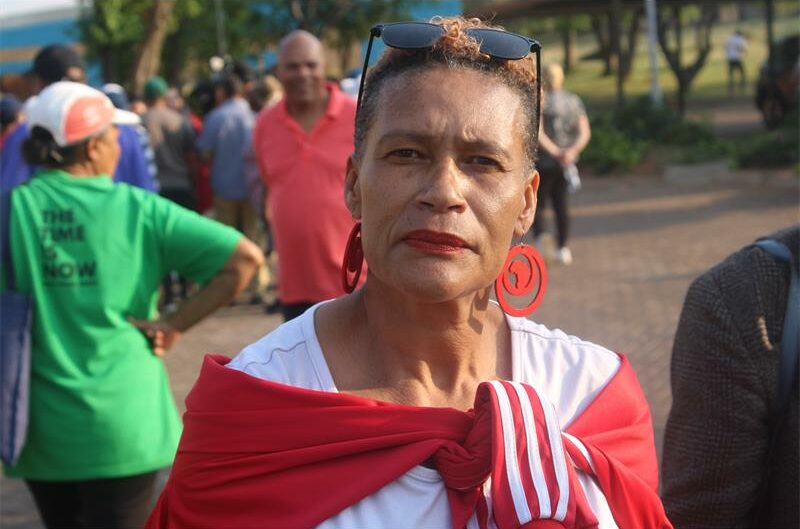
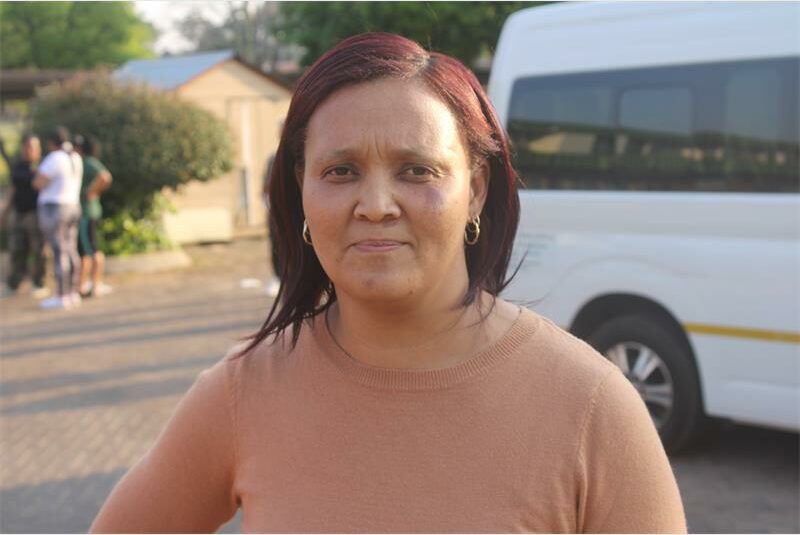
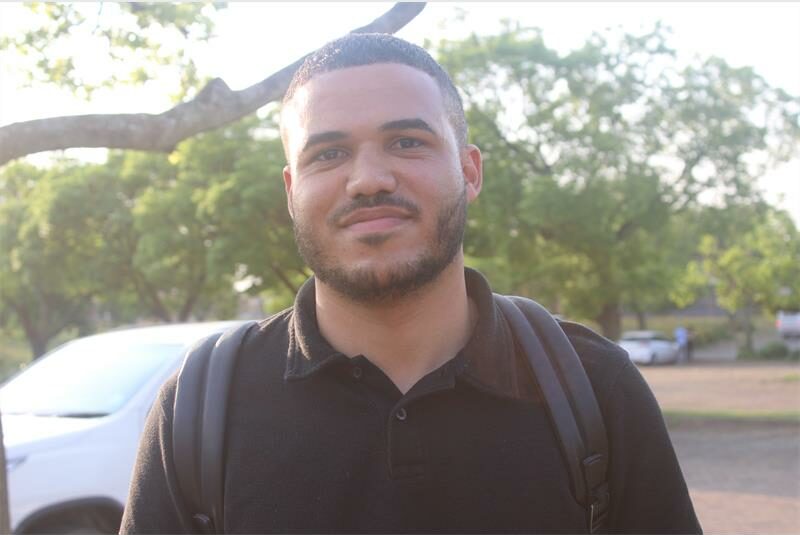
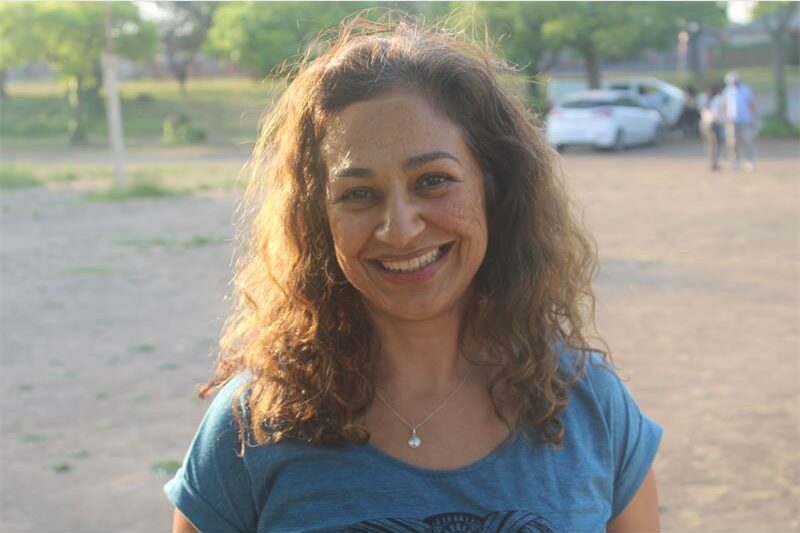
Alex Isaacs, a resident, voiced the community’s plight, emphasising the severe impact of the water shortage. “The lack of water is a serious problem. It infringes on our basic human rights. We pay for our utilities and expect the service to be provided.”
Isaacs highlighted the particular difficulties faced by pensioners, noting: “We have a borehole in Coronationville, but you cannot expect a pensioner to carry 5l buckets back home just to have water. We cannot use the toilets properly, take baths, or clean our homes. This is a basic human right, and it’s heartbreaking to see what is happening.”
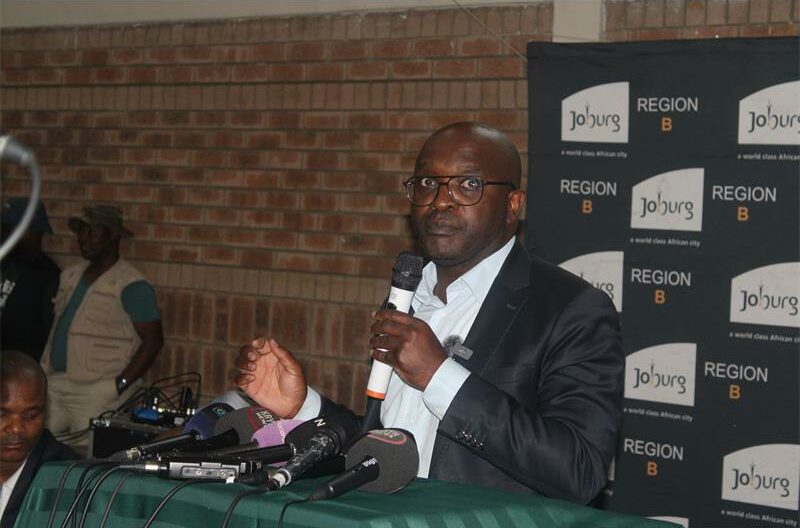
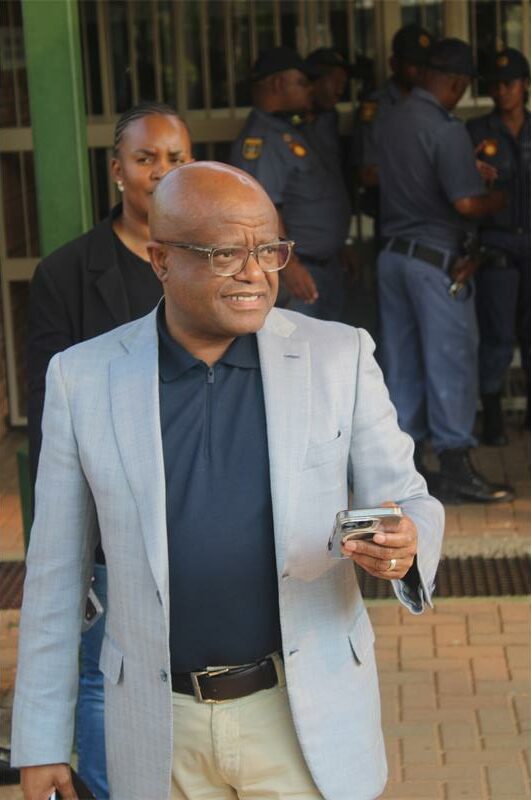
In response to the protests, city officials, including Executive Mayor Dada Morero, MMC for Environment and Infrastructure Services Jack Sekwaila, and Johannesburg Water (JW) managing director Ntshavheni Mukwevho, addressed the community on September 11 at the Danie Van Zyl Recreation Centre.
They provided updates on the ongoing water challenges affecting the Commando system, which serves the communities affected, and outlined the measures being implemented to resolve the crisis.
Morero announced that R800m has been allocated to tackle the infrastructure problems that have led to widespread demonstrations. He assured residents that 15 water tankers would be dispatched to affected areas to provide temporary relief, while permanent solutions are underway.
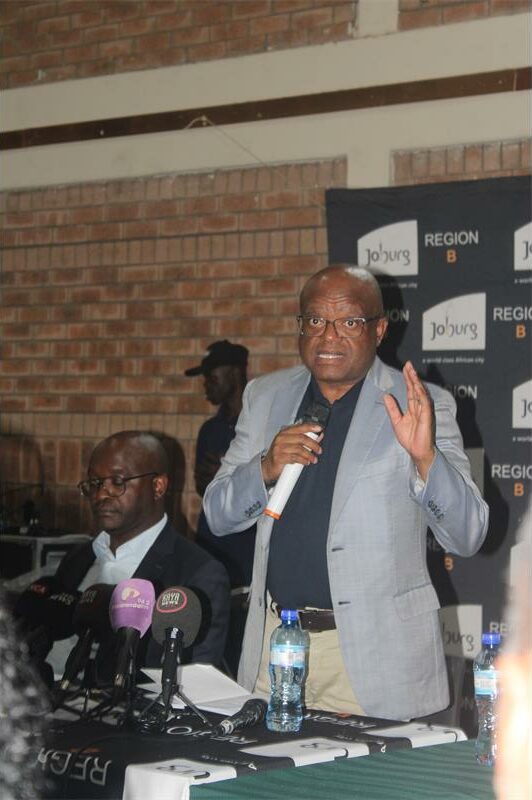
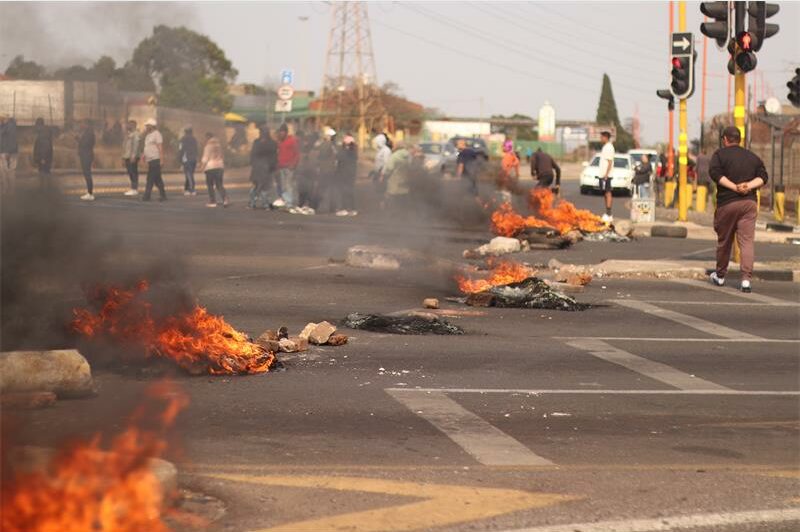
Morero explained the complexity of the situation, noting that until water reservoir levels improve, only interim interventions can be implemented. “Unfortunately, until we get the levels high, there’s not much that can be done except interventions.” He outlined a plan aimed at restoring water supply, including switching off water to other areas at night to redirect supply and increase reservoir levels.
Also read: Region B homelessness crisis exposes gaps support
“We are making a commitment, that with all the interventions we’re going to be doing here, at least in the next seven days, we’ll have a full supply of water soon.”
He also acknowledged the aging and damaged infrastructure across Johannesburg, emphasising the city’s commitment to refurbishing it. “Throughout Johannesburg, the infrastructure has been damaged. It’s old, and it has to be refurbished.
We made the commitment to focus on refurbishment in the budget, which was passed last year and this year.”
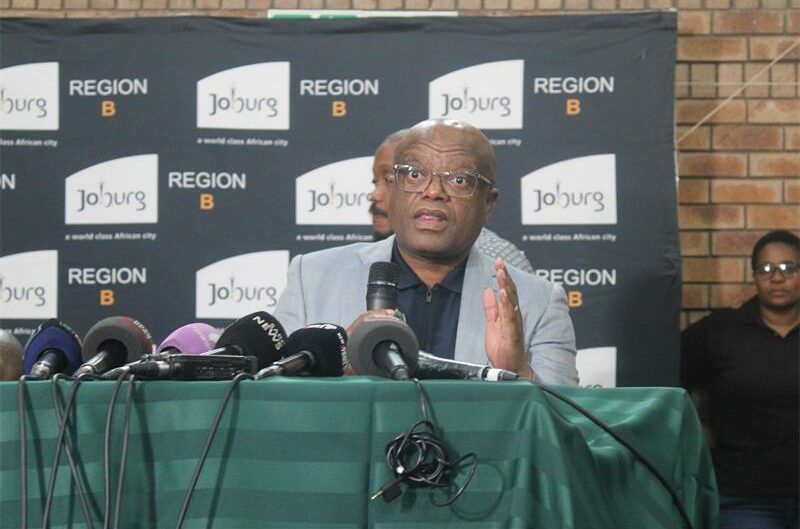
Mukwevho provided a technical overview of the root causes behind the water shortages. He explained that the bulk infrastructure serving the area is insufficient to meet demand.
The interconnected nature of Johannesburg’s water systems means that improving supply in one area depends on the health of upstream reservoirs. Mukwevho explained that many upstream reservoirs are currently low, limiting the volume of water available downstream. To address this, the city plans to close off other systems at night to redirect water and improve reservoir levels.
“We need to get the level upstream improved. The problem why we don’t get the necessary volume is because the reservoirs upstream are many, and we need to be closing all the other systems during the night.”
Mukwevho added the need to refurbish existing reservoirs, such as Hursthill 1 and 2, which currently supply the area, but require urgent attention. “We are going to refurbish Hursthill 1, with work expected to be completed by October 2026. For Hursthill 2, we have appointed a contractor, and work should start in the next few weeks.”
Also read: Victory for residents as city scraps CCTV by-law
He also detailed ongoing projects, aimed at permanently resolving the water supply issues. These include the construction of a 26ML Brixton reservoir and a 2.2ML tower, expected to be completed by the end of next month. Additionally, a 4.5km pipeline installation is underway, with lengths ranging from 600 to 1 000m, designed to improve water flow and pressure.
Both officials stressed that while immediate interventions are being implemented, the full restoration of water supply depends on the completion of infrastructure projects and the gradual replenishment of reservoir levels.
Follow us on our Whatsapp channel, Facebook, X, Instagram, and TikTok for the latest updates!