
Councillor calls for multi-layered solutions to break Westbury’s cycle of crime
Ward 69 councillor Genevieve Sherman urges community-driven solutions to address gangsterism through layered interventions.
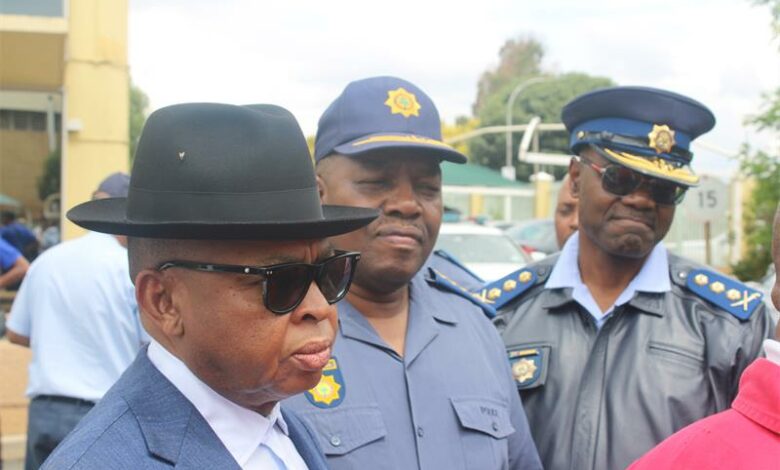
In response to ongoing gang-related crimes in Westbury and Reiger Park, Acting Police Minister Firoz Cachalia, together with National Police Commissioner General Fannie Masemola and Gauteng Provincial Commissioner Lieutenant General Tommy Mothombeni, met with community activists and leaders to address the violence.
The engagement, held at JMPD headquarters in Sophiatown on November 10, saw Cachalia announce that police visibility will increase, with officers stationed in high-risk zones. He acknowledged that these communities feel marginalised, with issues around poverty, lack of opportunity, and neglect not being properly addressed.
Read more: Acting Minister of Police Firoz Cachalia engages Westbury community on rising gang-related crimes
While policing measures are being stepped up, community leaders argue the violence reflects a much deeper crisis: Decades of economic exclusion, social neglect, and unfulfilled promises.
Ward 69 councillor Genevieve Sherman said residents have reached a breaking point. “For more than 30 years, our communities have been promised opportunities that never arrive. People are tired of being told to wait while our young people lose hope. We cannot police our way out of a crisis that was created by inequality.”

Community organisations stressed that despite policies such as black economic empowerment and affirmative action, many coloured communities remain trapped on the margins of economic opportunity. Youth unemployment is high, access to higher education remains limited, and crime has become a survival tool for many young people who feel unseen and left behind.
Also read: Technological advances against crime
Sherman believes the roots of the crisis must be confronted head-on. “If we’re serious about saving this community, then we must be serious about economic inclusion, youth empowerment, and proper social development. Policing alone won’t fix decades of exclusion.”
To truly tackle gangsterism and crime, leaders say the root causes must be addressed:
• Economic exclusion: Real inclusion through local hiring in nearby industries, infrastructure projects, and small business development,
• Youth empowerment: Prioritising access to bursaries, skills programmes, and apprenticeships for young people,
• Community safety partnerships: Strengthening community policing forums, neighbourhood watches, and social development initiatives,
• Education and mentorship: Partnering with schools, NGOs, and faith-based organisations to create after-school programmes that steer youth away from crime, and
• Rehabilitation and reintegration: Working with correctional services and NPOs to help former offenders rebuild their lives and contribute positively to society.
Despite the challenges, Sherman said the community refuses to surrender to hopelessness. “We must insist on real transformation. Opportunity, safety, and dignity cannot depend on where you were born. Our young people deserve a future that isn’t defined by fear.”
Follow us on our Whatsapp channel, Facebook, X, Instagram, and TikTok for the latest updates!