
Marie Louise closure exposes lack of waste diversion planning
Landfill closures are already reshaping waste patterns across the city.
The closure of Johannesburg’s major landfill sites is already triggering delayed refuse collection and a surge in illegal dumping, according to the African Reclaimers Organisation (ARO), which warns that poor planning has left communities bearing the cost of the city’s waste crisis.
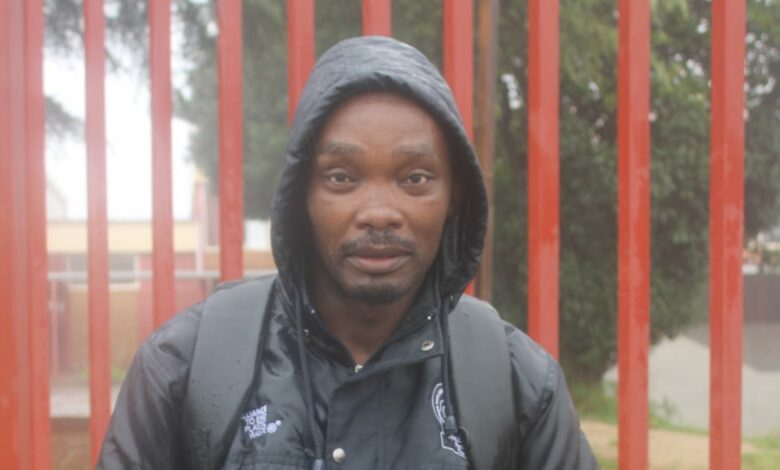
Speaking during a community clean-up in Brixton, ARO spokesperson Luyanda Hlatshwayo said the temporary closure of the Marie Louise landfill — and the looming saturation of other sites — has exposed deep failures in waste diversion and contingency planning.
Read more: Linden residents join ARO, PEETS, and SCP Security in Emma Park clean-up
“It’s been two months since waste has not been properly diverted,” Hlatshwayo said. “And now we are seeing the consequences.”
While Pikitup has indicated that Marie Louise was closed to explore alternative solutions, Hlatshwayo said several other landfill sites — including Robinson Deep and Goudkoppies and Ennerdale — are expected to reach capacity in the near future, placing further strain on an already fragile system.
The impact, he said, is already visible on the ground. “There are delayed collections, and waste that was supposed to be properly diverted is now being dumped illegally,” he said.
In Dobsonville, opposite the Marie Louise landfill, ARO has identified a growing illegal dumping site — but Hlatshwayo stressed that residents are not responsible.
“This dumping is not coming from communities or reclaimers,” he said. “It is service providers who collect bins from households, load them onto trucks, and then dispose of that waste illegally.”
ARO plans to clean the site early next year, with a clean-up scheduled for the first and second weeks of January. “We are cleaning up after Pikitup,” Hlatshwayo said, describing the dumping as an unintended but direct consequence of landfill closures without adequate preparation.
Also read: African Reclaimers Organisation and Brixton residents join forces against illegal dumping
Despite the crisis, ARO continues to focus on community-led solutions. The Brixton clean-up, held despite persistent rain, formed part of the organisation’s broader effort to work directly with residents, waste collectors and reclaimers.
“To make changes and real solutions, we need to work on the ground,” Hlatshwayo said, “with the people disposing of waste and the people collecting it.”
He said volunteers could have stayed home with their families, but chose instead to clean streets and engage residents in conversations about recycling — what materials are collected, what is not, and where gaps remain. ARO has worked with the Brixton community for eight years, but Hlatshwayo said the work has largely gone unseen. “It’s nothing new — it just hasn’t been visible.”
The organisation has now committed to conducting two clean-ups a month in every community willing to partner with them, as part of a citywide push to find practical waste management solutions beyond landfill dependency.
ARO is currently in the process of signing a memorandum of understanding with the City of Johannesburg and Pikitup — a process Hlatshwayo hopes will be concluded soon. “This is a good start,” he said. “But more importantly, it shows that if we want solutions, we have to build them with communities, not after landfills are already full.”
Follow us on our Whatsapp channel, Facebook, X, Instagram, and TikTok for the latest updates and inspiration!