Coloured communities reach breaking point over perceived neglect
Residents of Newlands, Newclare, and Bosmont took their fight for safety and dignity to the streets, exclaiming that their lives matter.
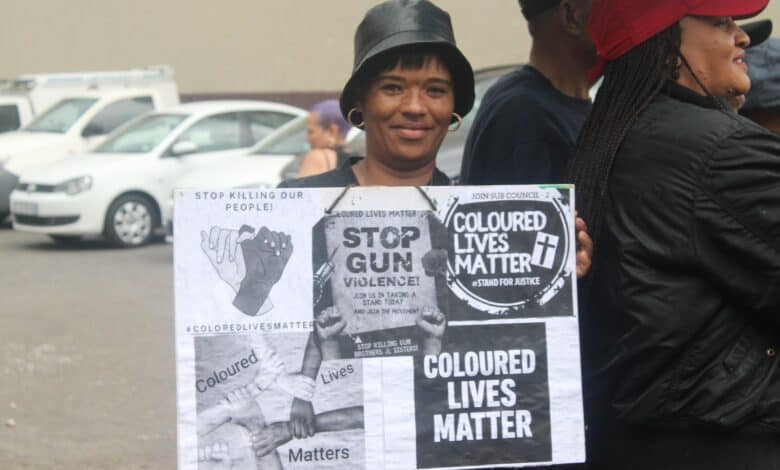
A wave of raw frustration swept across Newclare, Bosmont, and nearby communities on December 1, as residents rallied outside Sophiatown Police Station, demanding to be seen, heard, and protected.
Many arrived carrying posters declaring that their lives matter, a message driven by what they describe as years of marginalisation.
Read more: GBV protest at Sophiatown Police Station unites women against abuse and violence
The crowd’s frustrations were clear. Protestors made their voices heard over the strong increase in crime and gang related shootings, and, additionally, the recruitment of children, from ages 13–15, into these gangs. Protesters called for stronger police visibility and meaningful intervention in the areas hardest hit by violence.
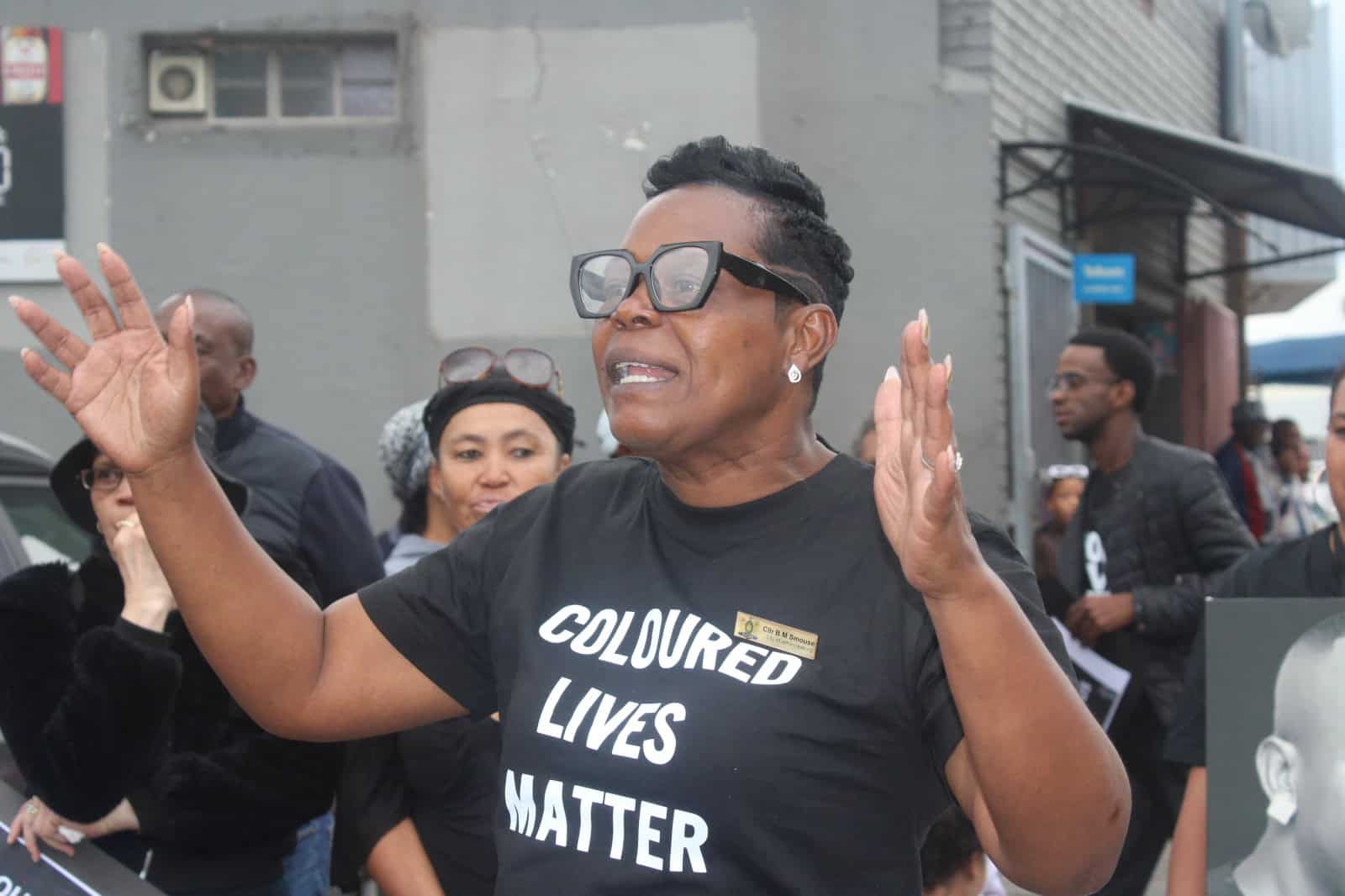
Ward 82 councillor Marilyne Smouse stood alongside the community, saying the message was not exclusive, but urgent. “Today we are also standing in solidarity to say that coloured lives matter.” She added that while all lives matter, the immediate crisis facing coloured communities cannot be ignored.
Community leader and Gauteng legislature member Bishop Dulton Adams echoed the depth of the pain and anger on display. He described the protest as part of a nationwide reckoning with the violence gripping coloured neighbourhoods, from the Cape Flats to Westbury, Reiger Park, Eldorado Park, and other areas, where gangs continue to tighten their hold. “It’s a massive challenge we’re facing. We cannot let the minority continue to rule the majority.”
Also read: City works to rectify water issues after protests
Adams emphasised that boys as young as 10 are being lured into killings and drug operations, and communities are desperate for government intervention before more young lives are lost.
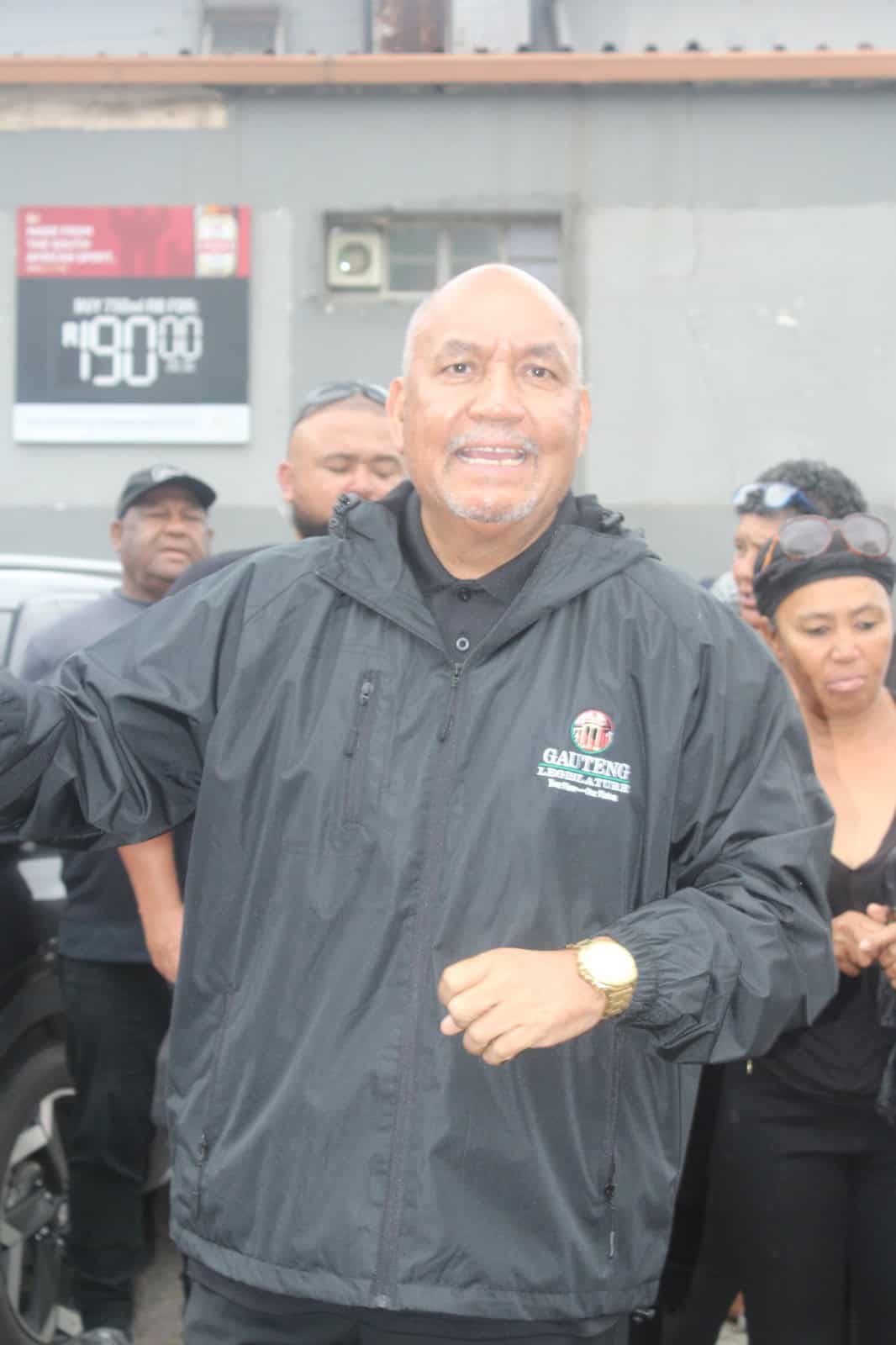
Protesters wore black as a symbol of mourning and distress. “Black evokes sadness,” Adams explained. “It’s an SOS.”
He spoke openly about long-standing neglect, saying many in coloured communities believe they have been sidelined since 1994 – a perception he says government leaders have themselves acknowledged. While policing remains important, Adams stressed that intelligence structures must step up, and that the fight cannot be won through law enforcement alone.
He called for a holistic approach that confronts poverty, unemployment, inequality, overcrowded housing, and the broader economic neglect fuelling violence, but efforts to engage government, he said, have often felt futile. “It seems like our words are falling on deaf ears and children are falling dead.”
Follow us on our Whatsapp channel, Facebook, X, Instagram, and TikTok for the latest updates and inspiration!