Pikitup deploys extra resources to clear waste backlog, but landfill crisis wages on
The entity assured that landfill expansions, private disposal options, and recycling initiatives are underway, aiming to restore reliable weekly waste collection.
Johannesburg’s waste collection system is showing a split reality.
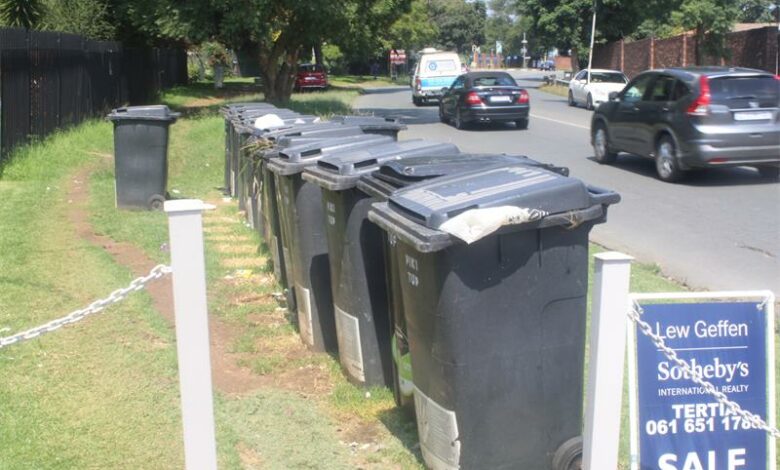
While Pikitup is picking it up in operational backlog, the underlying landfill crisis remains unresolved, continuing to place pressure on service delivery across several suburbs. Residents in areas such as Berario, Northcliff, Fairland, and communities served by the Waterval Depot, have experienced weeks of inconsistent refuse collection, raising concerns about environmental health and the stability of the city’s waste management system.
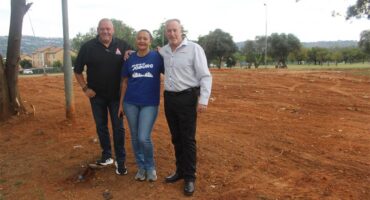
Ward 98 councillor Beverley Jacobs confirmed that disruptions which began at Randburg depots, including Randpark, Windsor, Randpark Ridge, Robinglen, and Cresta, had extended into the Waterval Depot service area, leaving households with missed or delayed collections. However, she noted that Pikitup has since moved to address the backlog.
Read more: Pikitup picks up the waste backlogs after disruption in collections by Waterval depot
Despite this recovery effort, Jacobs warned that the situation highlights deeper structural weaknesses in the system. Illegal dumping remains a growing concern, particularly in Windsor East and West, where uncollected waste has accumulated in open spaces and street corners. While the immediate backlog is being managed, Jacobs argues that the broader challenges remain unresolved. These include limited landfill capacity, fleet constraints, and weaknesses in enforcement within the waste management system.
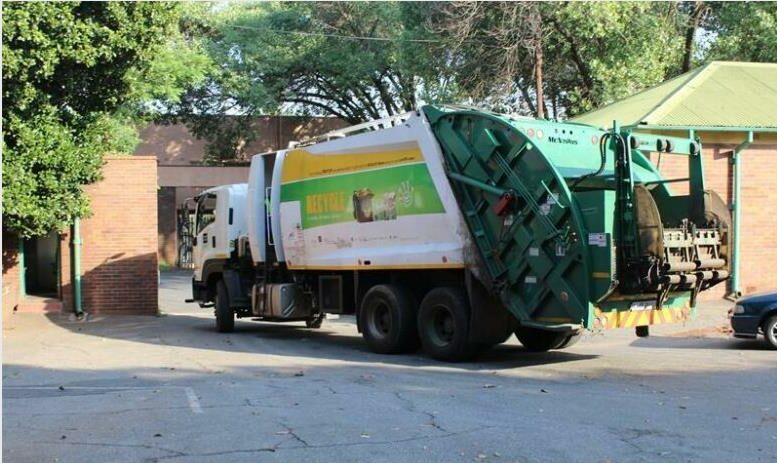
Pikitup spokesperson Muzi Mkhwanazi higlighted that the depots that were affected were Roodepoort and Randburg, due to protest action when residents demanded work from the waste management company. He acknowledged the constraints, noting that only two landfill sites are fully operational. In response, the utility has turned to its landfill master plan, which includes developing new landfill cells, acquiring adjacent land, and making use of private landfill facilities, particularly in the north of the city.
Also read: Pikitup really needs to pick it up
Projects, such as the planned expansion at Robinson Deep, are expected to extend landfill capacity significantly, with additional infrastructure upgrades also underway at sites like Ennerdale and Marie Louise. However, these are long-term interventions that do not resolve immediate pressures. Recent service disruptions have shown how quickly the system can falter. Although Pikitup maintains that backlogs have largely been cleared, attributing remaining delays to isolated issues such as union meetings, the broader pattern points to a system with limited resilience.
Mkhwanazi said that alternative waste management solutions, including recycling expansion and waste-to-energy initiatives, are in development and expected to become operational by 2029 or 2030. “These projects could process up to 500 000t of waste annually, easing reliance on landfill sites.”
Until then, the city remains dependent on infrastructure that is already stretched, said Mkhwanazi.
Follow us on our Whatsapp channel, Facebook, X, Instagram, and TikTok for the latest updates and inspiration!