
City of Johannesburg cash gap raises serious governance and funding concerns
A Treasury letter cited by Helen Zille outlines a major financial shortfall in Johannesburg, raising concerns over the city’s ability to meet obligations and maintain services.
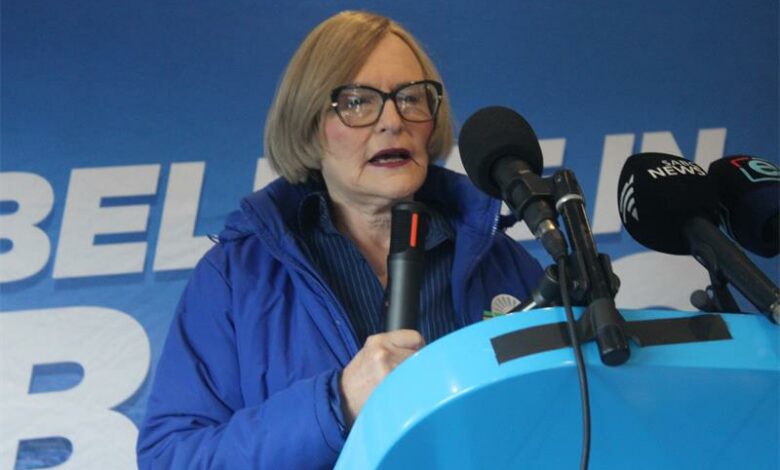
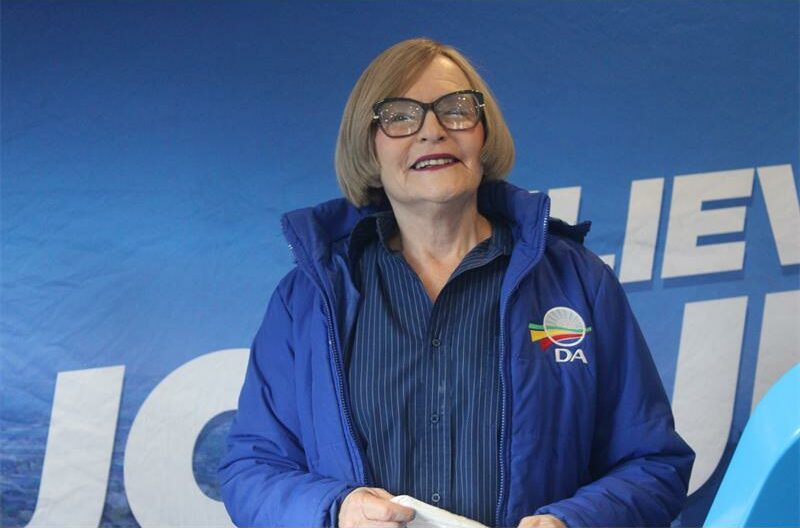
The Democratic Alliance’s mayoral candidate, Helen Zille, has raised concerns about the city’s finances after referring to a leaked letter from Finance Minister Enoch Godongwana sent to Mayor Dada Morero.
The matter was discussed at a DA public meeting in Northcliff on May 6. According to Zille, the minister’s letter dated April 23 said the City of Johannesburg owes creditors R25.2b (from R17b in 2022/23) but only has R3.9b in cash available, leaving a shortfall of R21.3b.
In the letter, Zille cited that the minister warns that the city’s financial problems are making it difficult to pay bills and maintain infrastructure. He said this has added to ongoing service delivery problems, including water and electricity outages and delays in fixing damaged infrastructure.
Zille said this warning shows how serious the financial crisis has become and argued that losing this funding would badly affect service delivery, especially services used by poorer residents.
Read more: Draft city budget forecasts increased expenses for already cash-strapped residents
Potential risks of adjustments to the budget
Godongwana also said officials warned council members about several financial risks before the 2025/2026 adjustment budget was approved on March 20. These risks included revenue collection not reaching targets, Johannesburg Water overestimating service income, and overspending in areas such as employee salaries, electricity purchases, inventory and operating costs. By January 31, overspending had already reached about R3.9b
Godongwana added that the city has broken important laws linked to municipal finances. He warned that these problems could harm Johannesburg’s long-term financial stability and negatively affect the country’s economy.
He further warned that if the city does not urgently fix the situation, the National Treasury could use Section 216(2) of the Constitution to stop the city’s equitable share funding under the Division of Revenue Act. This funding is worth more than R8b.
City’s loan denied
The city’s financial troubles come after several setbacks. The Agence Française de Développement rejected Johannesburg’s application for a R2.5b loan after the city failed to meet conditions linked to an earlier loan agreement approved in 2024. The Johannesburg Stock Exchange also suspended the city’s bonds because audited financial statements were submitted late, according to Godongwana.
He also lists several areas where the city allegedly failed to follow financial rules. These include approving an adjustment budget in March that was not fully funded, which is seen as unauthorised spending under municipal finance laws.
The letter also mentions failures to comply with Municipal Standard Chart of Accounts regulations and to stop unauthorised, irregular, wasteful, and fruitless spending. Other concerns include the city’s failure to pay creditors within 30 days, which goes against the Municipal Finance Management Act.
Also read: Save more monthly with these #CashClever tips
Mayor responds to CoJ’s debt disaster.
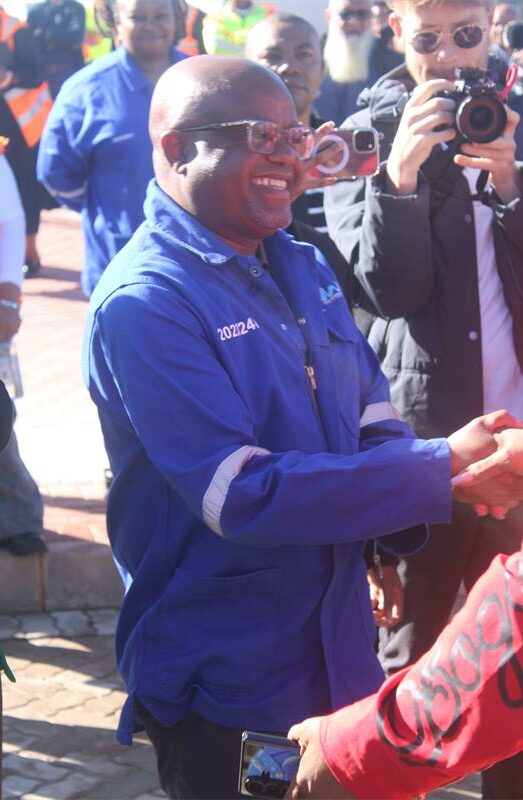
Morero said that he had engaged with Enoch Godongwana regarding concerns raised in the letter to the city. Both parties have agreed to hold a formal meeting to clarify the issues.
He added that the city remains committed to cooperating with the National Treasury and will provide all required information.
Morero reassured residents, investors, and stakeholders that the city remains fully operational and continues to oversee its financial and governance responsibilities.
He said he is confident the city will adequately address the concerns raised and remains committed to transparency, accountability, and sound financial management.
Follow us on our Whatsapp channel, Facebook, X, Instagram, and TikTok for the latest updates and inspiration!