Metro Matters: Johannesburg’s sewage crisis reaches breaking point
Sewage leaks and blockages have become a consistent problem in a number of areas, with the City of Johannesburg left with no plausible fix or solution.
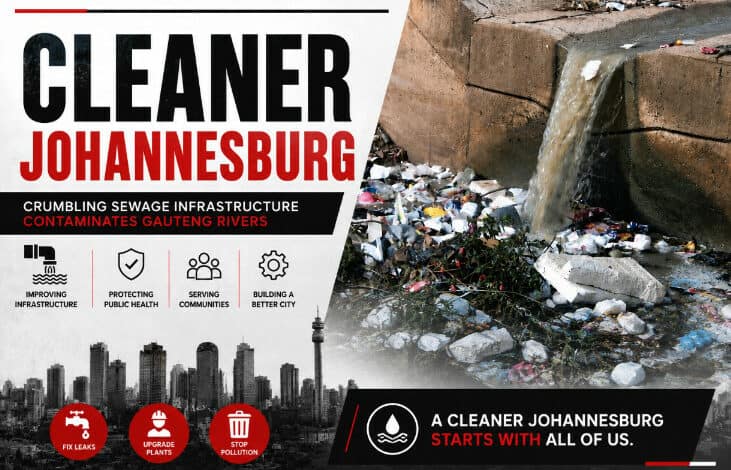
Overflowing manholes and burst sewer pipes have become an unwelcome feature of life across Johannesburg.
According to the City of Johannesburg (CoJ), investigations into the root causes have pointed to a combination of human behaviour and infrastructure decay. Residents disposing of rags, paper, sand, and stones into the sewer system has been identified as a major contributing factor, alongside illegal, private stormwater connections that flood sewer lines during periods of heavy rainfall. Vandalism and theft of manhole covers have compounded the problem, while the condition of the network itself remains a serious concern.
A city awash in sewage
CoJ confirmed that ageing infrastructure is another of the significant contributors to sewer failures and overflows, while areas with high population densities and frequent vandalism are bearing the brunt of the failures, with the problem spread across the CBD, suburbs, and townships alike.
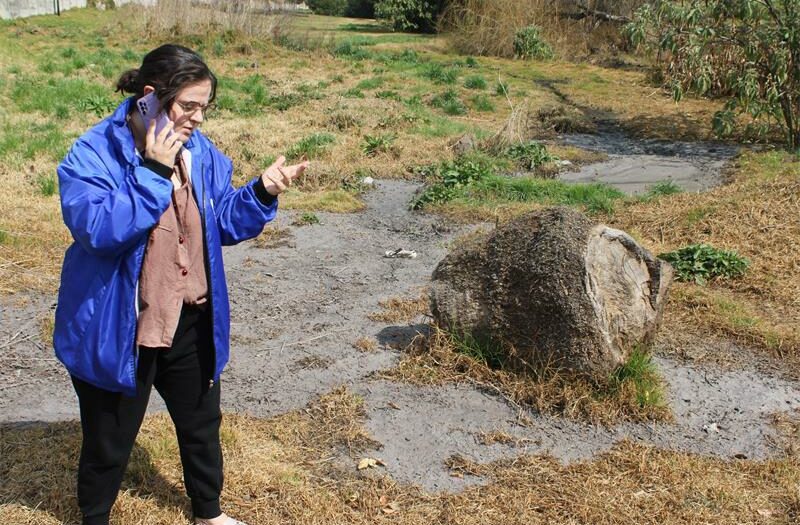
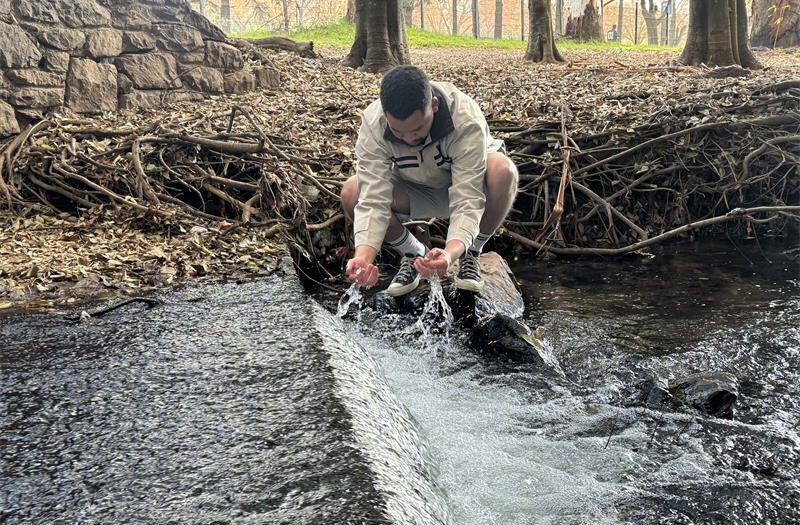
CoJ said it aims to resolve reported blockages within 24 hours, with service requests logged through its customer contact centre, social media platforms, and ward councillors. However, the city acknowledged that response times can stretch beyond that target when incidents are severe or require specialised resources. Residents who have watched raw sewage sit unattended in their streets for days may find little comfort in the accountability measures described.
Read more: Alexandra’s Water Warriors battle relentless pollution in Jukskei River
CoJ said it investigates the causes of delays and implements corrective measures where response times are not met, but stopped short of detailing any specific disciplinary or contractual consequences for persistent failures. On the question of long-term solutions, CoJ pointed to infrastructure renewal programmes aimed at replacing ageing pipelines, upgrading pump stations, and increasing network capacity in areas of rapid population growth. Proactive cleaning programmes and public awareness campaigns form part of its current approach, though it declined to provide figures on how much has been budgeted or spent on sewer maintenance and upgrades during the current financial year. CoJ also did not specify how many personnel or contractors are dedicated to sewer maintenance and emergency response, saying only that resource allocation varies according to operational demand.
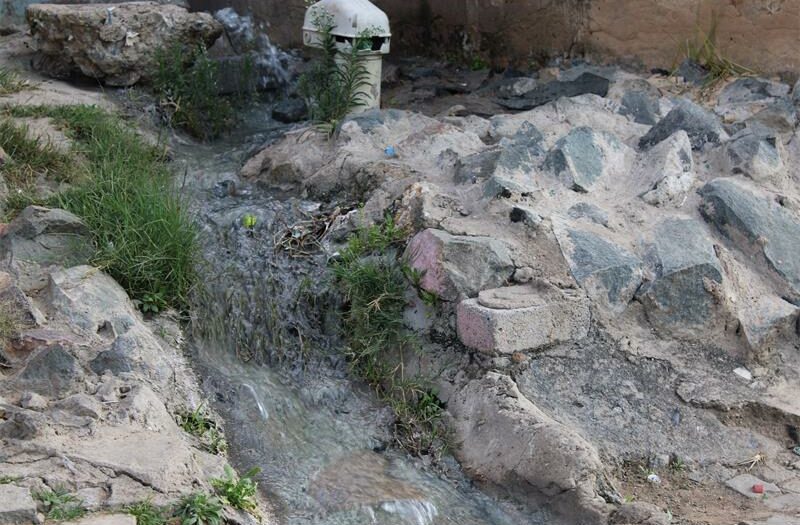
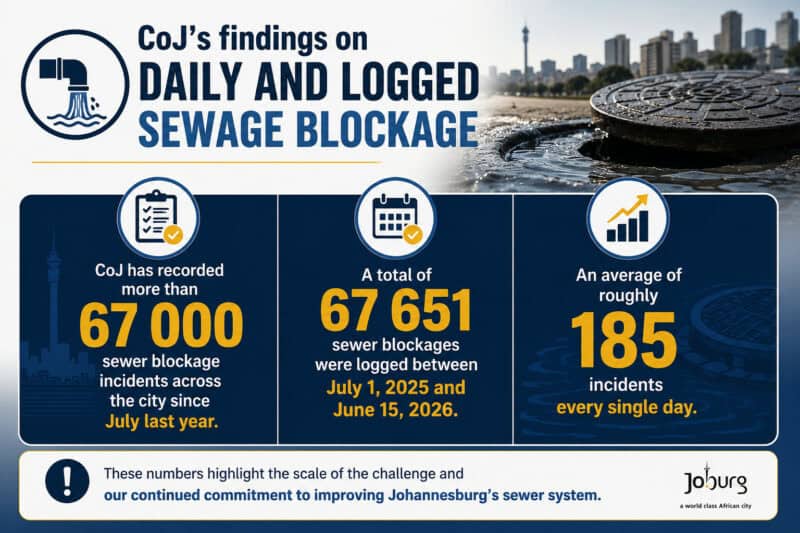
For residents, CoJ’s assurance is that it remains committed to sustainable, long-term solutions, though with blockages running at nearly 200 a day, the gap between that commitment and life on the ground remains painfully wide.
Sewage crisis exposes failing wastewater system
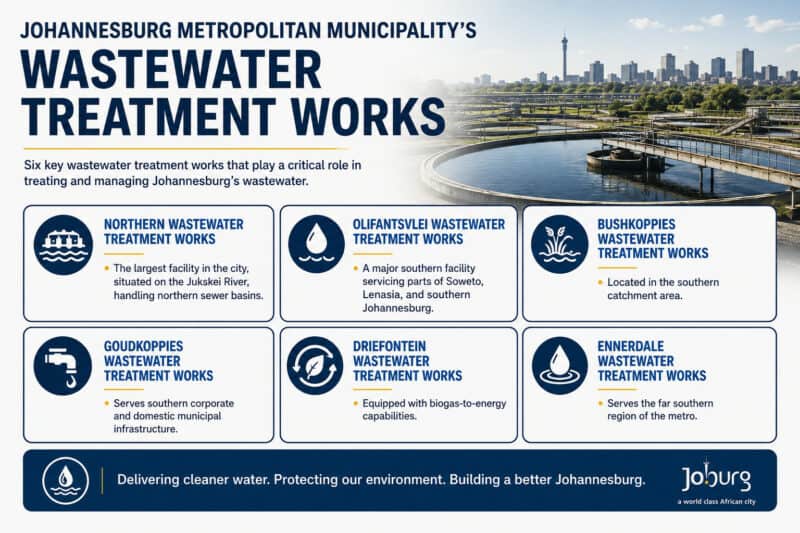
The CoJ metropolitan municipality operates six wastewater treatment works (WWTWs), managed by Johannesburg Water, with a combined design capacity of approximately 1.1 billion litres of sewage per day. These facilities are central to the city’s sanitation system, but growing infrastructure failures, particularly sewage leaks and burst sewer pipes, are placing severe pressure on the network.
Also read: Westdene Spruit battles with raw sewage
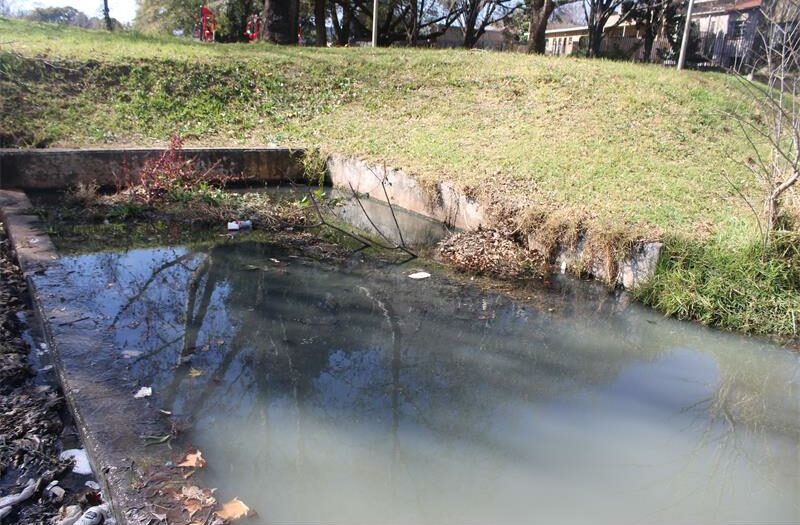
Sewage leaks and blocked sewer lines do more than create unpleasant conditions in communities. They disrupt the wastewater management process by preventing raw sewage from reaching treatment plants. When sewer reticulation networks fail, untreated waste spills into streets, open spaces, streams, and rivers before reaching WWTWs, rendering treatment capacity ineffective, while exposing communities and the environment to pollution.
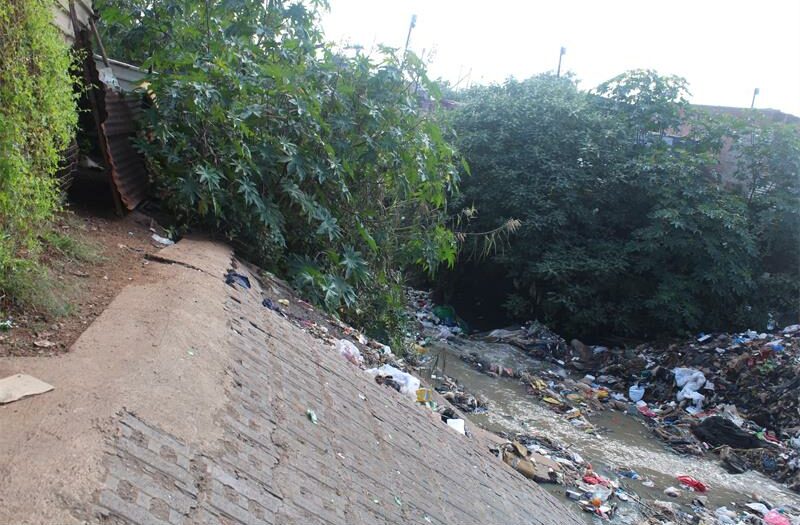
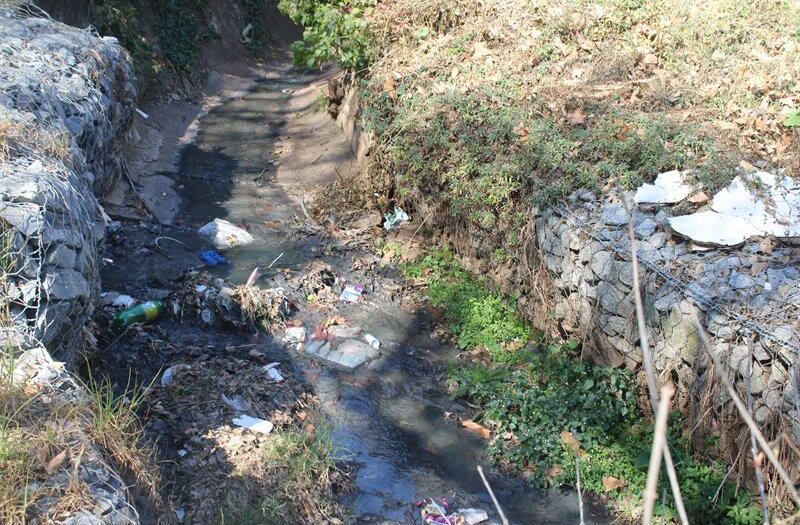
The scale of the crisis is highlighted in the 2025 green drop report, released on March 31 by Water and Sanitation Minister Pemmy Majodina. The report, South Africa’s primary assessment of wastewater management, found that half of Johannesburg’s wastewater treatment plants are in a critical state. According to the report, failing treatment works are discharging poorly treated or untreated sewage into rivers and waterways, posing serious risks to public health and the environment. Combined with sewage leaks from damaged sewer networks, these failures contribute to the spread of waterborne diseases, such as cholera and diarrhoea, while degrading water quality and damaging aquatic ecosystems.
Also read: Devastating environmental crisis swallows the vital Paulshof river confluence
The green drop report assesses municipalities on operational capacity, environmental performance, financial management, technical expertise, and compliance with effluent standards. A score above 90% is considered excellent, while scores below 31% are classified as critical. Johannesburg’s green drop performance has steadily declined from 91% in 2011 to 86% in 2013, 73% in 2021, and just 48.8% in the latest assessment, placing the city in the poor performance category.
Nationally, the report found that nearly half of the 848 wastewater treatment systems audited during the 2023/24 financial year were classified as critical, up from 39% in 2022. Systems achieving excellent or good performance declined from 118 (14%) in 2022 to 66 (8%) in 2025, while only 14 systems achieved green drop certification.
Majodina described the findings as a warning about South Africa’s ability to protect water resources and public health. The report attributes the decline to ageing infrastructure, poor maintenance, inadequate operational standards, skills shortages, weak municipal leadership, budget constraints, poor revenue collection, vandalism, theft, corruption, and attacks on infrastructure.
Sewage chokes Gauteng rivers
Gauteng’s rivers are facing mounting environmental pressure as sewage pollution continues to degrade waterways, threaten biodiversity, and damage sensitive ecosystems.
According to WaterCAN executive manager Ferrial Adam, sewage contamination has become one of the province’s most significant environmental challenges, affecting river systems across Gauteng. She said waterways, including the Jukskei, Hennops, Klip, and parts of the Vaal River system, are all experiencing severe pressure from pollution. Untreated sewage introduces excessive nutrients, bacteria, viruses, and other contaminants into rivers, disrupting natural ecological processes and damaging aquatic habitats.
Also read: Persistent sewage overflows get Joburg Water to respond
Adam explained that high levels of E coli found in many waterways are an indication of faecal contamination and signal the presence of other harmful pollutants and pathogens. While E coli itself is not always directly harmful to fish, sewage-contaminated water often contains ammonia and other substances that place aquatic organisms under stress. The result is declining water quality, reduced oxygen levels and the disappearance of species that are unable to survive in polluted environments.
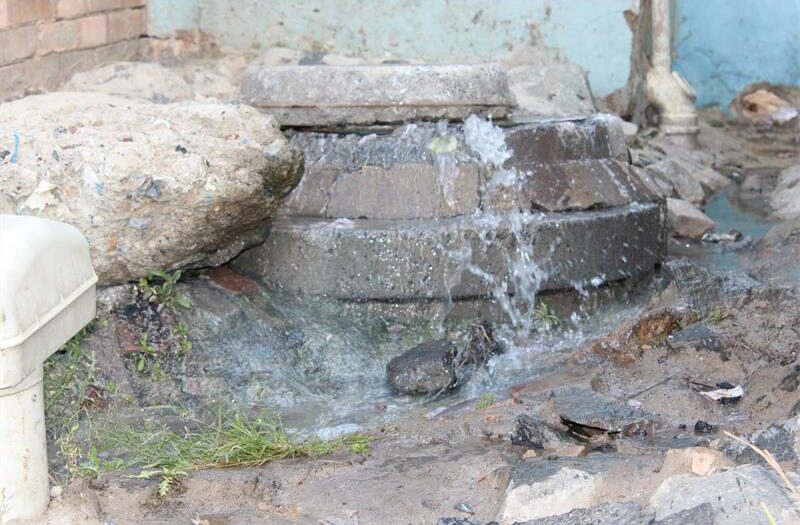
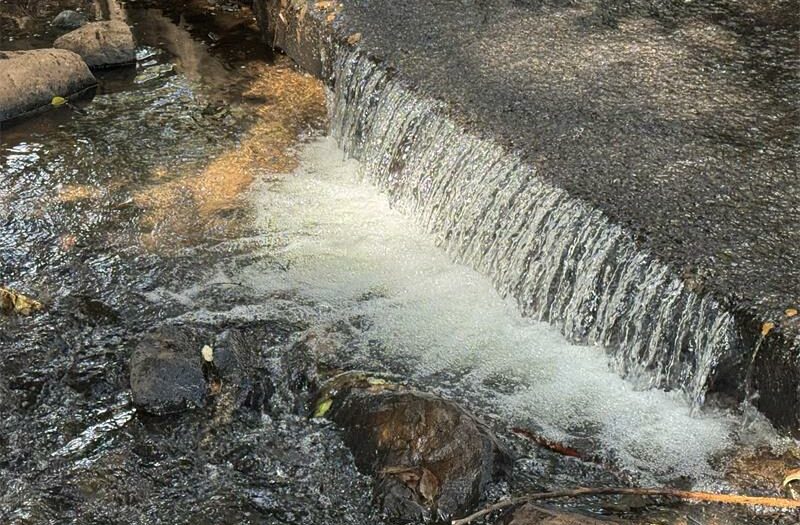
Adam said prolonged contamination can lead to fish deaths and the gradual degradation of entire river ecosystems. The effects extend beyond rivers themselves and threaten wetlands, which play a critical role in maintaining healthy water systems. Wetlands naturally filter pollutants and help improve water quality, but Adam said they can become overwhelmed when exposed to excessive sewage pollution. Once damaged, wetlands lose their ability to effectively filter contaminants and provide natural flood protection. She warned that the loss of wetlands is particularly concerning as climate change increases the risk of extreme weather events and flooding.
Sewage pollution also affects communities that rely on rivers and surrounding green spaces. Adam said contamination impacts community food gardens and deprives residents of the ability to safely enjoy public natural areas. Without urgent intervention, she warned that the long-term degradation of Gauteng’s rivers and wetlands could have lasting consequences for the province’s environmental health.
Also read: Raw sewage spills into Orange Grove homes and park
Pollution threatens biodiversity across Johannesburg’s waterways
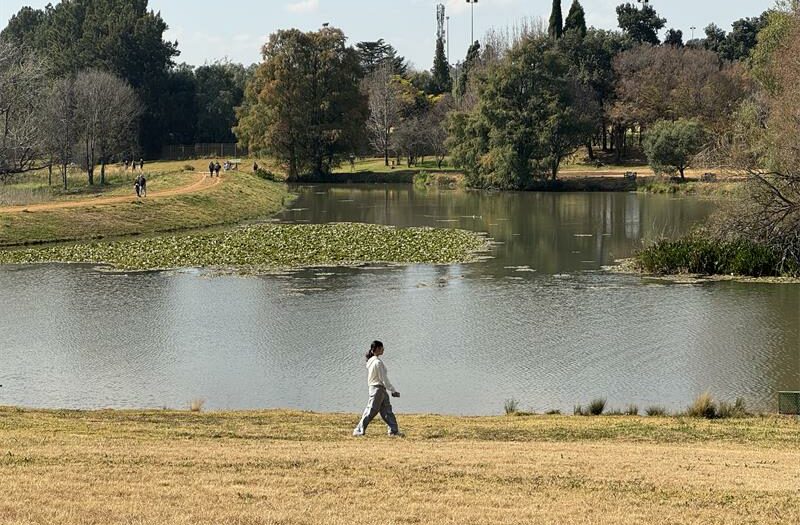
Johannesburg’s rivers, dams, and wetlands are far more than water channels; they are living ecosystems that support biodiversity, recreation, and climate resilience.
According to Johannesburg City Parks and Zoo (JCPZ), sewage pollution remains one of the greatest threats to these natural systems. Untreated wastewater introduces pathogens, pollutants, and excess nutrients into rivers and wetlands, reducing oxygen levels and disrupting ecological balance. The impact is being felt across several waterways, including sections of the Braamfontein Spruit, Jukskei River, Emmarentia Dam, Blue Dam, Wemmer Pan, and Moroka Dam.
“Pollution can affect vegetation, soil health, wildlife movement, and the overall ecological functioning of surrounding green spaces,” said JCPZ spokesperson Jenny Moodley.
Also read: Bryanston records 217 pipe bursts in two months as water crisis deepens
Poor water quality can alter biodiversity by creating conditions where pollution-tolerant species thrive while sensitive species decline. Fish, amphibians, and birdlife are particularly vulnerable to degraded habitats and contaminated food sources. Excess nutrients from sewage can also encourage invasive plant growth and weaken wetlands, which normally act as natural filtration systems by trapping sediment, slowing water flow, and improving water quality.
JCPZ works with Johannesburg Water, Johannesburg Roads Agency, and the city’s environmental infrastructure services department when pollution incidents occur, while also undertaking riverbank protection, habitat conservation, invasive plant management, and environmental awareness initiatives. Moodley said residents have an important role to play by reporting sewage leaks, avoiding illegal dumping, and supporting clean-up efforts. “A polluted river affects far more than water; it affects ecosystems, public spaces, wildlife, and future generations.”
For JCPZ, protecting waterways is ultimately an investment in a greener and more resilient Johannesburg.
What goes down Johannesburg’s drains doesn’t stay there
Johannesburg’s sewage pollution problem extends far beyond local streams and dams, according to environmentalist Tam Scheidegger. The city sits on the watershed of South Africa’s two largest river systems – the Limpopo and the Vaal-Orange catchments – so pollution entering local waterways can ultimately affect ecosystems far downstream. “What we put down our drains here leaks all the way to both the Atlantic and Indian oceans.”
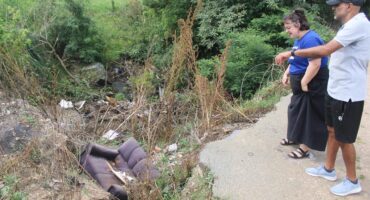
For the past two years, she has monitored the Westdene Spruit through Melville Koppies. While contamination levels fluctuate, she says ageing infrastructure remains one of the biggest contributors to pollution. “The infrastructure was not designed for the capacity and debris that people throw into the sewer system.”
In older parts of Johannesburg, deteriorating sewer pipes and stormwater systems can leak into one another, increasing the risk of contamination reaching rivers and streams. Polluted water can contain harmful bacteria, pathogens, and chemicals that make waterways unsafe for people, pets, and wildlife.
Also read: Kensington B resident battles sewage crisis in her own backyard
Although healthy immune systems can often cope with low concentrations of contaminants, Scheidegger warns that some areas experience pollution levels high enough to pose serious health risks. The consequences also extend to ecosystems. Sewage pollution can encourage excessive algae growth, reduce biodiversity, and compromise the ability of wetlands to naturally filter water.
Her message to residents is simple: Johannesburg’s waterways are connected to a much larger environmental system, and she reckons what we do here matters. “Another way of dealing with our wastewater in this city needs to be championed.”
Follow us on our WhatsApp channel, Facebook, X, Instagram, and TikTok for the latest updates.