Let your garden go indigenous
indigenous plants can save water, attract wildlife and brig a little more of the Highveld into our gardens.
Your garden could be doing more than looking pretty, as it could provide a home for local wildlife, save precious water and give some of South Africa’s lesser-known plants their moment in the spotlight.
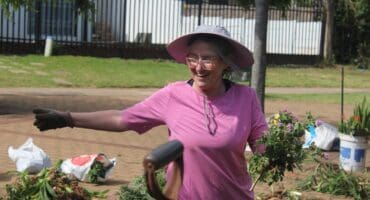
Melville Koppies conservationist Tam Scheidegger believes indigenous gardening is a chance to celebrate local flora, jokingly adding that someone needs to be their ‘PR punter’.
While South Africa’s annual exhibit at the Chelsea Flower Show regularly takes home gold, Scheidegger pointed out that the spotlight often falls on the Western Cape Floral Kingdom. “Our Highveld plants are special, but less showy,” she said. Their beauty, she explained, often reveals itself when you slow down and look closely.
Read more: From soil to second chances as Northcliff garden helps homeless people grow new futures
Indigenous plants are also well suited to the Highveld’s conditions. They have evolved to cope with dry periods, making them a sensible choice for water-conscious gardeners. “We are a water-scarce country and should know how to use water sparingly,” said Scheidegger.
And the benefits extend beyond the gardener. Indigenous plants provide food, shelter and habitat for birds, bees, butterflies and other wildlife. For a low-maintenance garden, she recommends indigenous grasses for their soft texture, while many spring and summer bulbs thrive in disturbed garden soils.
A thorn tree can also be a valuable addition, creating leaf litter that helps form the right compost for undergrowth while attracting insects and birds. For beginners, Scheidegger suggests trying plants such as Scadoxus, Gladiolus, Hypoestes, Eucomis and Freesia, as well as hardy shrubs including Ehretia, Grewia and Halleria.
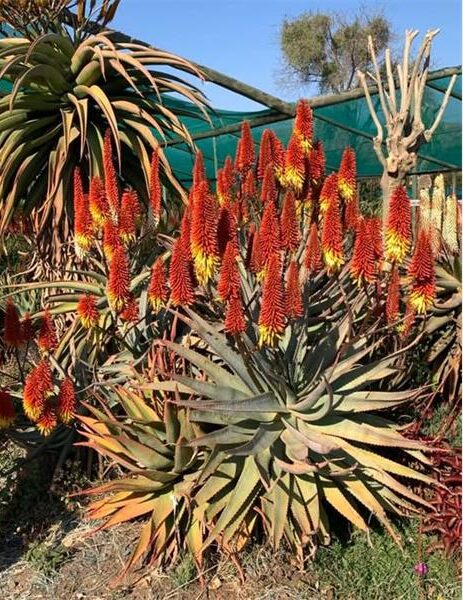
And no indigenous garden, she said, should be without an aloe. “When no other flowers are out, they bring bees food to tide the bees over until the spring flowers.”
Ultimately, there is no strict formula for creating an indigenous garden. “Using your own creative eye is what makes gardening so enjoyable.”
Also read: Caterpillars come to plant trees in Sophiatown
Wendy Carstens, a tour guide at Melville Koppies, highlights several options for gardeners looking to bring more indigenous colour, texture and wildlife into their gardens:
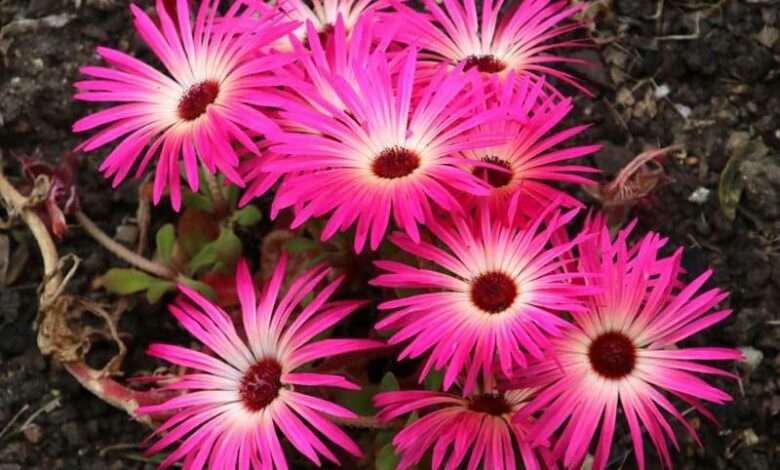
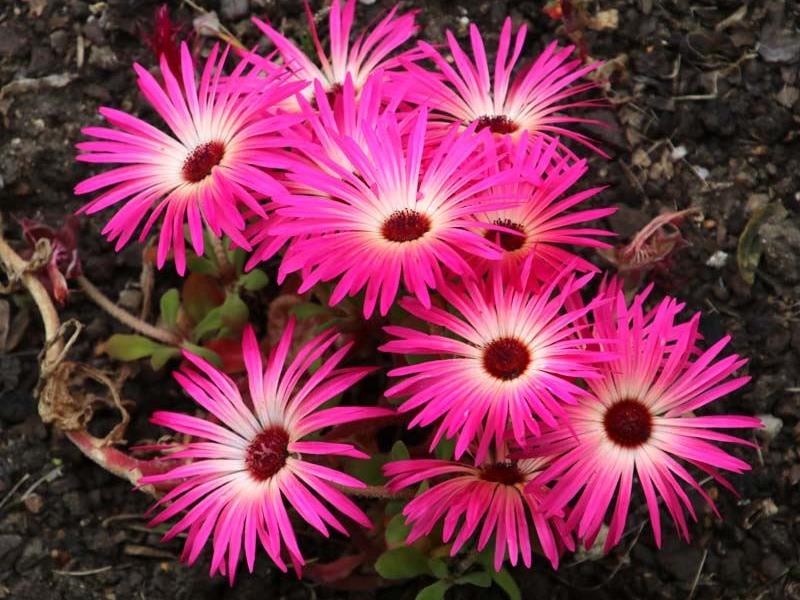
Mesembryanthemums – colourful succulents that require little water.
Aloes – add height and colour while providing an important food source for bees.
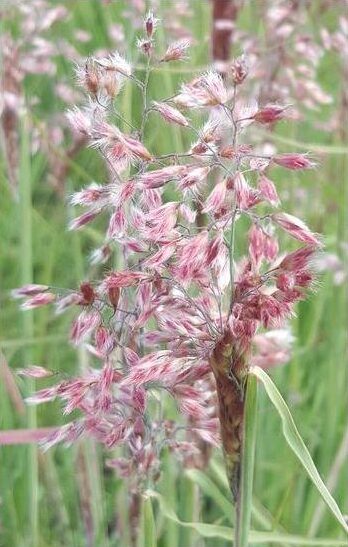
Pioneer Natal red top grass – softer grasses can add texture without overpowering a garden.
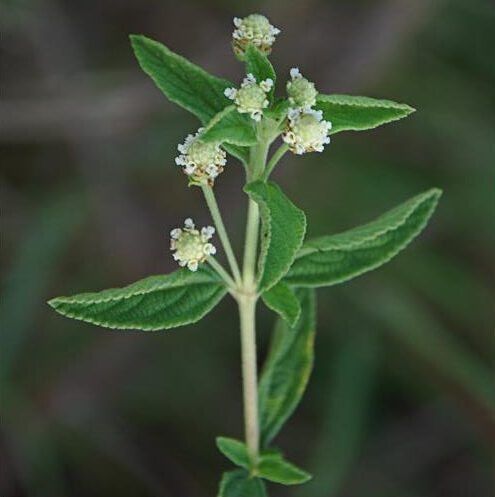
Fever tea bush (Lippia javanica) – a hardy shrub that works well towards the back of a garden.
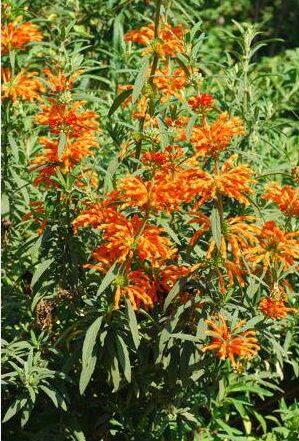
Wild dagga (Leonotis leonurus) – a hardy, colourful plant that can attract birds.
Follow us on our Whatsapp channel, Facebook, X, Instagram, and TikTok for the latest updates!