Front row seat to the lives of wild owls in a Fairland garden
Three spotted eagle-owl chicks were recently ringed in Fairland. One resident's experience reveals how gardens can provide valuable nesting spaces for urban wildlife.
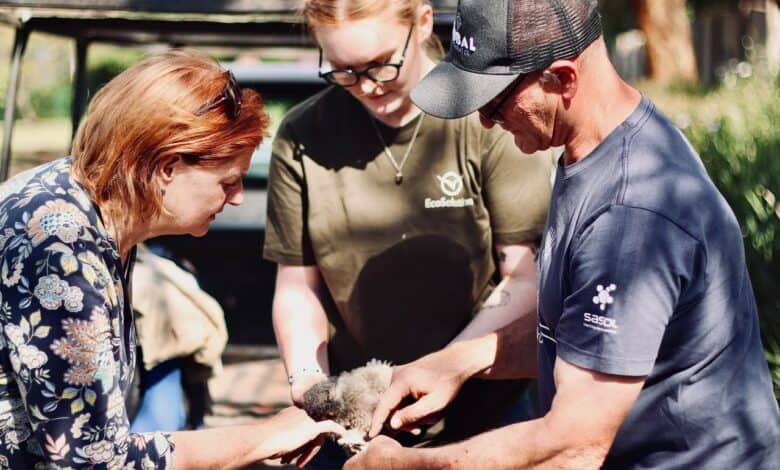
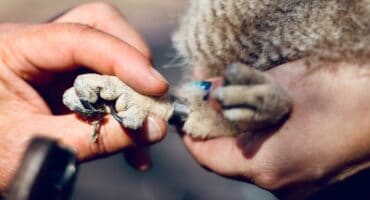
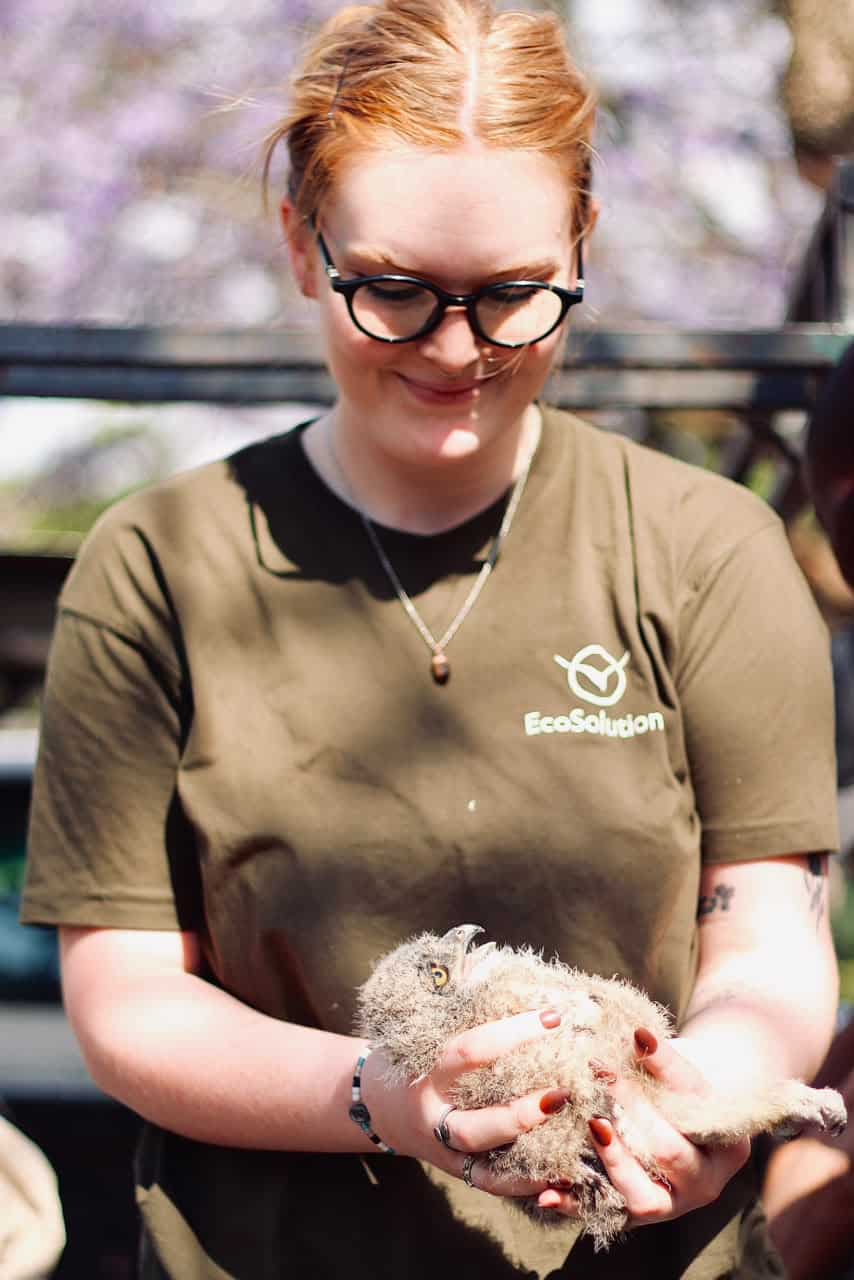
Three spotted eagle-owl chicks, each about three weeks old, were ringed by EcoSolutions during a visit to a Fairland garden, highlighting the role residents can play in supporting urban wildlife.
The ringing allows researchers to identify individual birds and gather information that can contribute to a better understanding of owl populations.
The exercise took place at the home of Sam van der Berg, whose owl box overlooks her garden. For Van der Berg, welcoming the owls has become one of the most rewarding parts of sharing her property with wildlife.
Read more: What happens during an owl ringing? Inside the process in Fairland
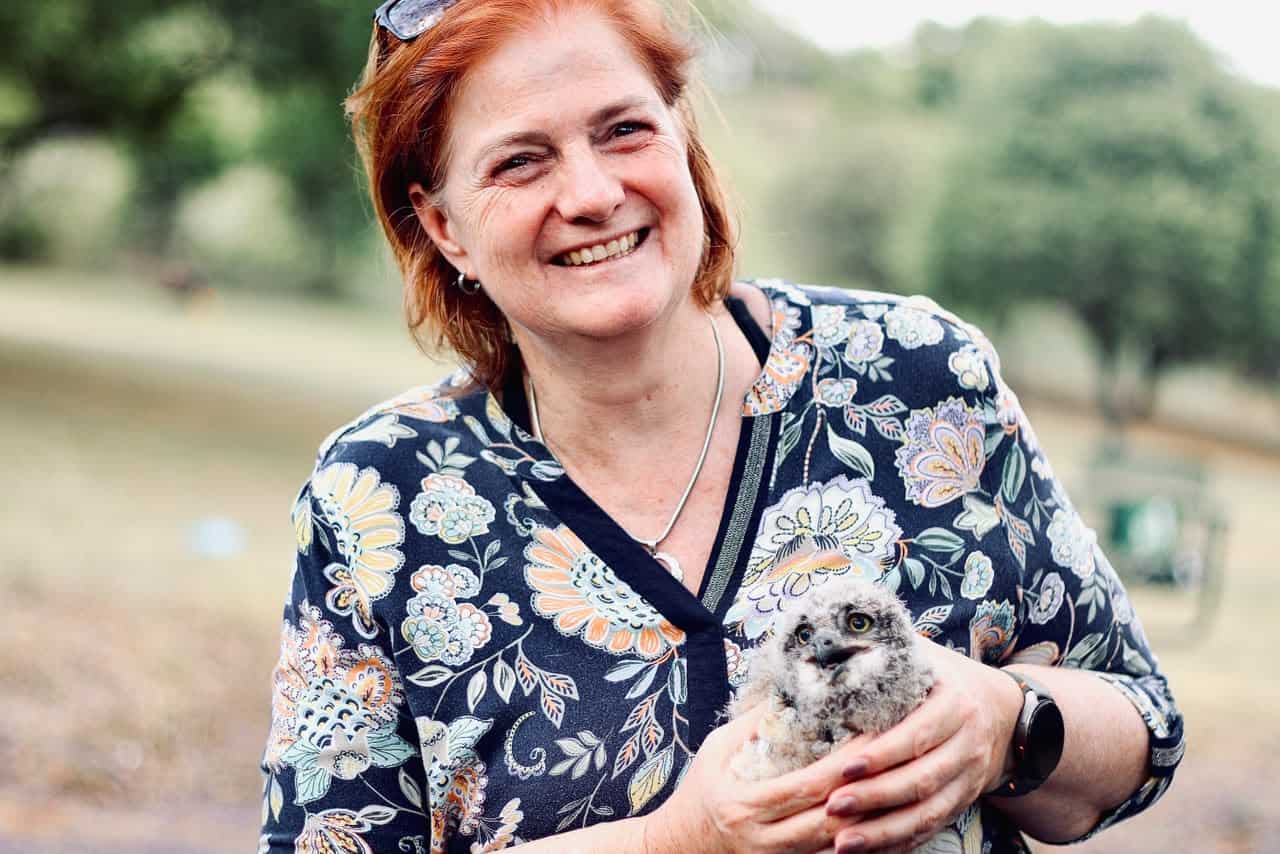
After noticing owls in the neighbourhood in 2023, she researched ways to encourage them to stay, and installed an owl box in her garden in 2024. Since then, watching the birds raise their young has given her an opportunity to observe their behaviour at close quarters.
She explained that the owls are particularly active during the breeding season. She regularly hears them calling from sunset until about 21:00, with another chorus beginning in the early hours of the morning. One of her most memorable experiences has been watching the owlets grow. “It is an incredible process to witness. It is very humbling to watch from start to finish,” she said.
Living opposite Fairland Koppie, Van der Berg is accustomed to sharing her surroundings with wildlife. She has also encountered a snake in her garden and knows of genets captured on residents’ security cameras.
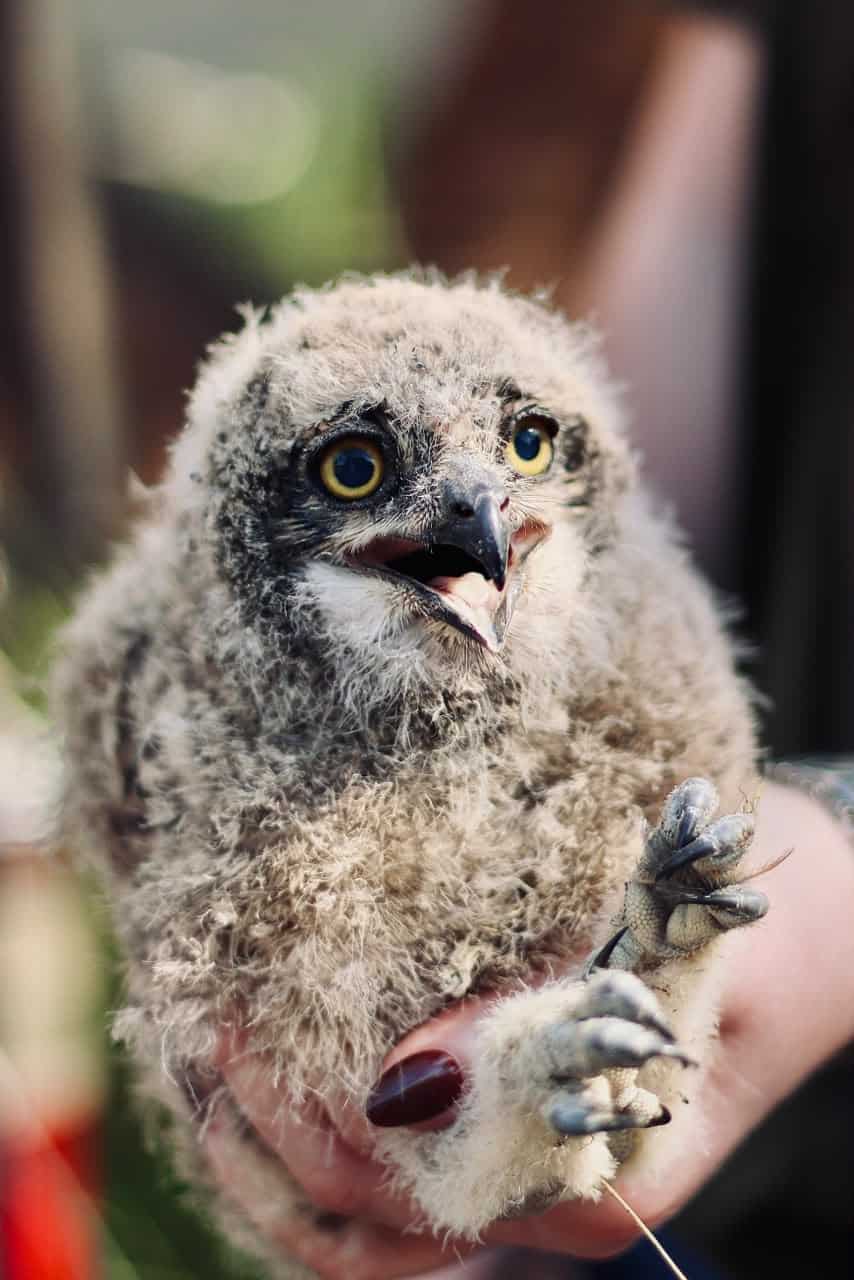
For her, welcoming owls is about more than enjoying their presence. She allowed EcoSolutions to conduct an owl-ringing exercise at her home because it offered an opportunity to contribute to conservation research.
Ringing gives researchers a way to identify individual birds and collect information that can help them understand survival, movement and whether owls return to the areas where they were born.
Also read: A Northcliff home becomes a safe dwelling for a family of owls
Alison Hepplestone, an ecologist at EcoSolutions, said residential gardens were becoming increasingly important for urban owl populations, particularly spotted eagle-owls. These owls naturally roost and nest on the ground, where roads, pets and human activity can leave them vulnerable. “They do not have a lot of safe breeding sites,” said Hepplestone. “So, having a garden where they can be safe, especially having a box there, if you have dogs or things, it is so vital for maintaining the population in urban environments.”
Residents do not necessarily need to install an owl box to help. Hepplestone said simply being aware of owls on a property, keeping pets away from vulnerable birds and avoiding rat poison could make a difference. Secondary poisoning is a significant risk when owls eat rodents that have consumed poison.
Hepplestone also urged residents not to fear owls because of myths linking them to bad omens or death. “They were here before us, so we were actually encroaching on their territory,” she said.
Although owls may swoop at pets that approach their young, particularly when spotted eagle-owls are nesting on the ground, Hepplestone said they generally do not regard adult cats and dogs as prey.
For residents considering an owl-friendly garden, Van der Berg’s experience is a reminder that welcoming wildlife also comes with responsibilities. Homeowners should consider their use of pesticides, the safety of their pets and the practical realities of living alongside wild birds.
The reward, however, can be extraordinary: a front-row seat to the lives of wild animals living just beyond the back door.
Follow us on our Whatsapp channel, Facebook, X, Instagram, and TikTok for the latest updates!