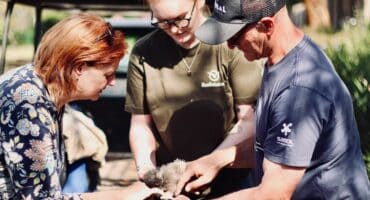
What happens during an owl ringing? Inside the process in Fairland
EcoSolutions explains how ringing works, why three young spotted eagle-owls were ringed in Fairland and how residents can help protect urban owls.
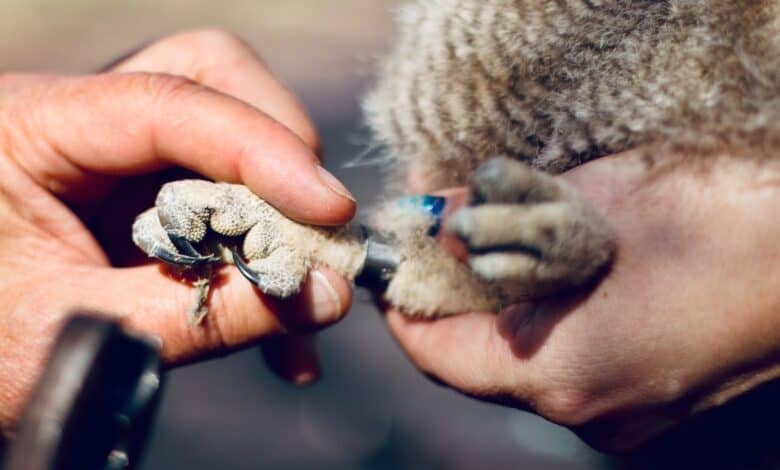
A small metal ring around an owl’s leg might not look like much, but it carries a unique identification number that can help researchers learn more about the bird if it is found again.
Known as owl ringing, the process allows conservationists to identify individual birds and gather information about their origins.
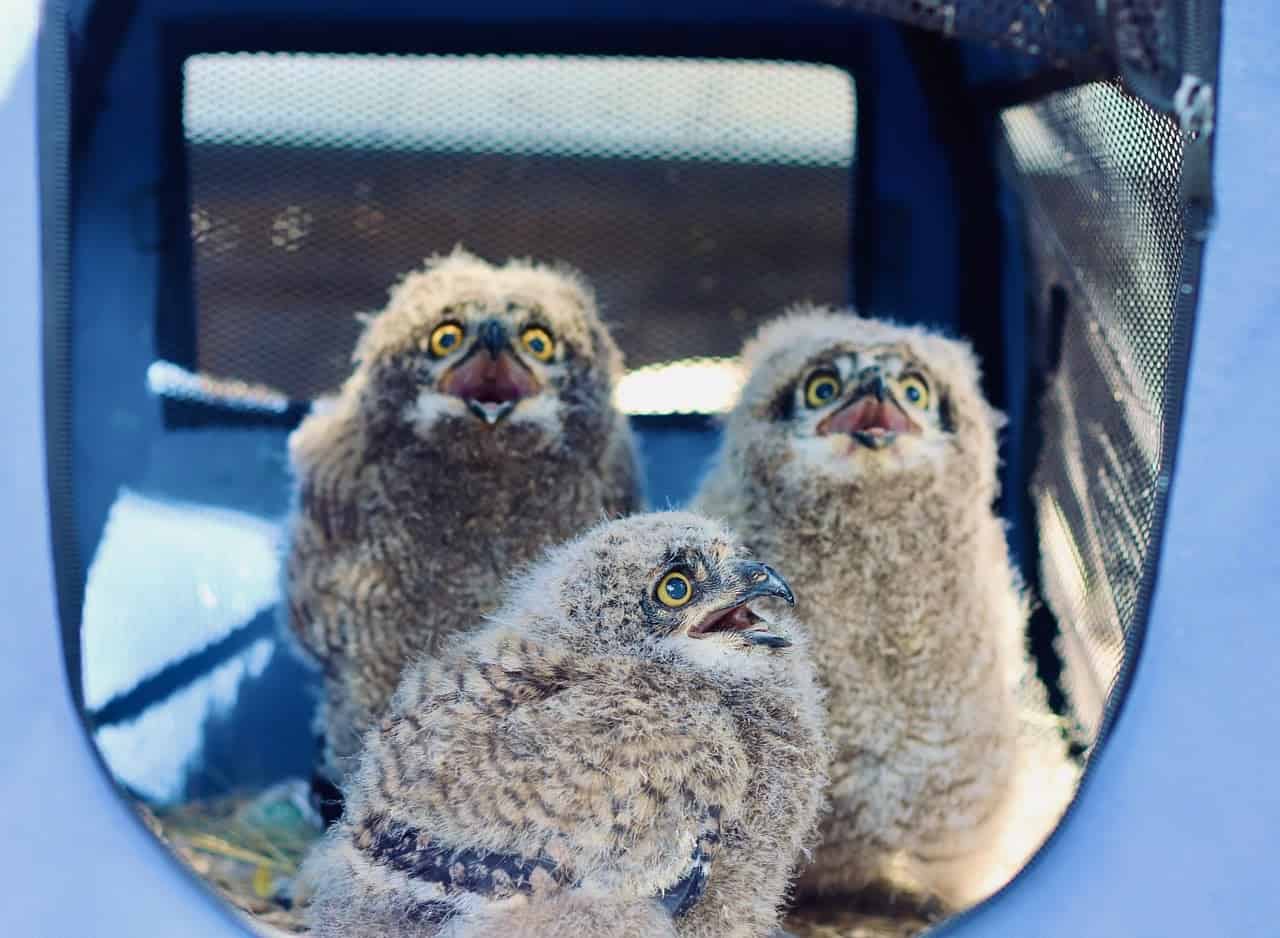
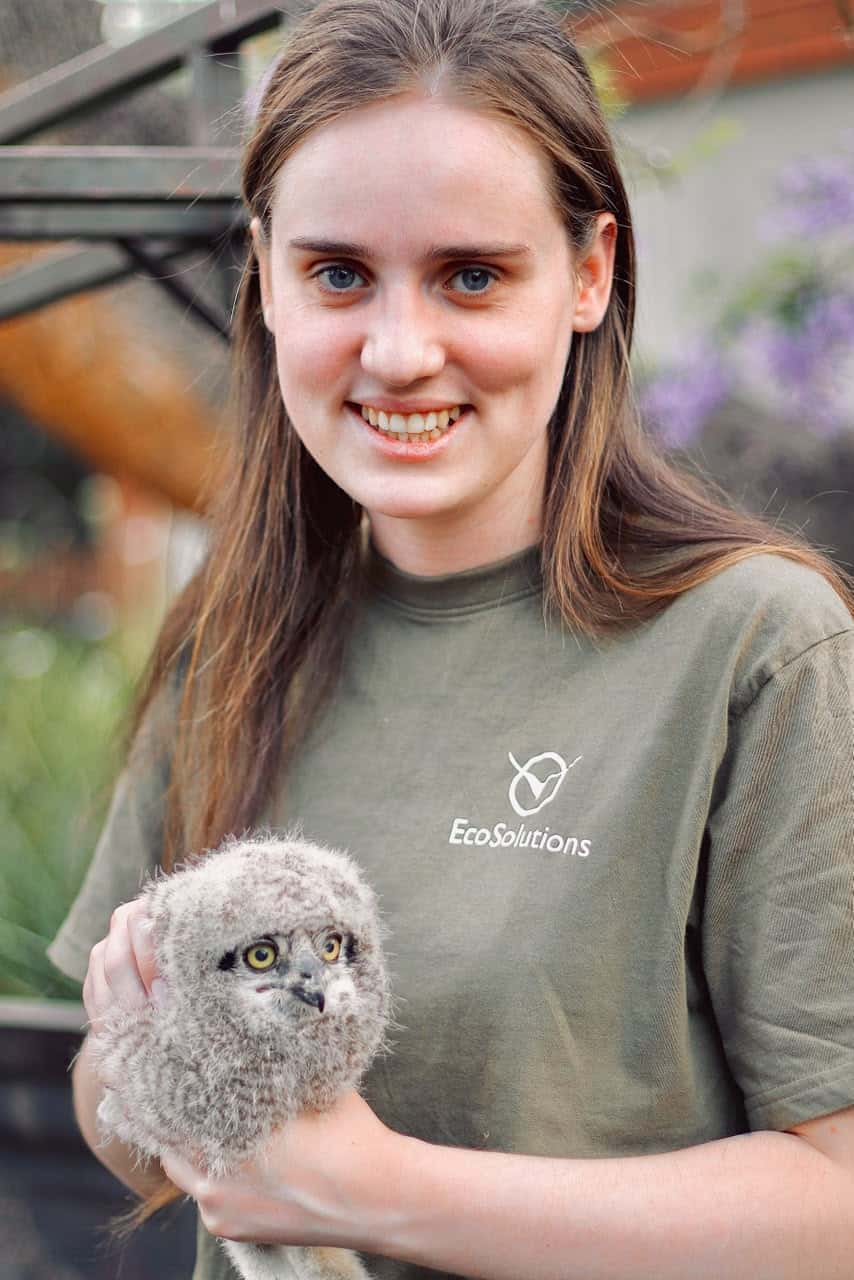
During a recent visit to Fairland, EcoSolutions demonstrated the process by ringing three young spotted eagle-owls. Caitlin Brodie, CRM operations and support co-ordinator at EcoSolutions, explained that the rings are not GPS trackers but identification tools that can help researchers trace a bird’s origins if it is found injured or killed.
Read more: A Northcliff home becomes a safe dwelling for a family of owls
The unique identification number allows the organisation to recognise an individual bird if its ring details are reported after it has been found.
Brodie said spotted eagle-owls were among the most common owl species found in suburban areas. During a ringing exercise, the team may record information such as the owl’s weight and, in some cases, its wingspan. The measurements collected depend on the bird’s age and development, while identifying the individual bird remains the main purpose of the exercise.
Although handling can cause some temporary distress, Brodie said the process was brief, with care taken to minimise the time the owls spend out of their nesting box. “The process can be slightly distressing to them, but it’s literally maybe a three-minute process of them getting ringed, and then they get put back in the tree,” she said.
The timing of ringing is also important. Brodie explained that young owls are generally ringed at around two to three weeks old, before they become more mobile and start leaving their nesting boxes. By about three to four weeks, spotted eagle-owl chicks may begin jumping out of their boxes and spending time on the ground, making them more difficult to locate.
Also read: Four birds found dead in Westdene garden
For residents who discover owls nesting on their properties, Brodie said providing a suitable nesting space could help encourage breeding pairs to settle. EcoSolutions also recommends owl boxes because young birds raised in them may be more likely to seek out similar nesting sites when they begin breeding themselves. This behaviour is known as natal-site recognition.
Residents do not necessarily need to install an owl box to support local owl populations. Being aware of nesting birds, keeping pets away from vulnerable owls and avoiding rat poison can also help protect them. EcoSolutions works alongside its non-profit sister organisation, the Owl Project, which provides opportunities for people to support owl conservation efforts.
Residents who spot owls or have them nesting on their properties are encouraged to contact EcoSolutions and share photographs or information about their sightings. Donations to the Owl Project can also support its conservation work.
Brodie said the organisation welcomed hearing from residents who wanted to learn more about the owls living in their neighbourhoods.
Follow us on our Whatsapp channel, Facebook, X, Instagram, and TikTok for the latest updates!