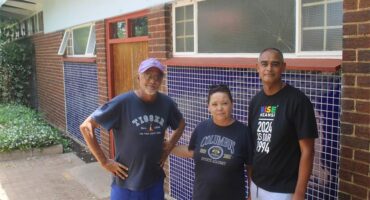
Melville, Crosby and Parktown residents count cost of dry taps
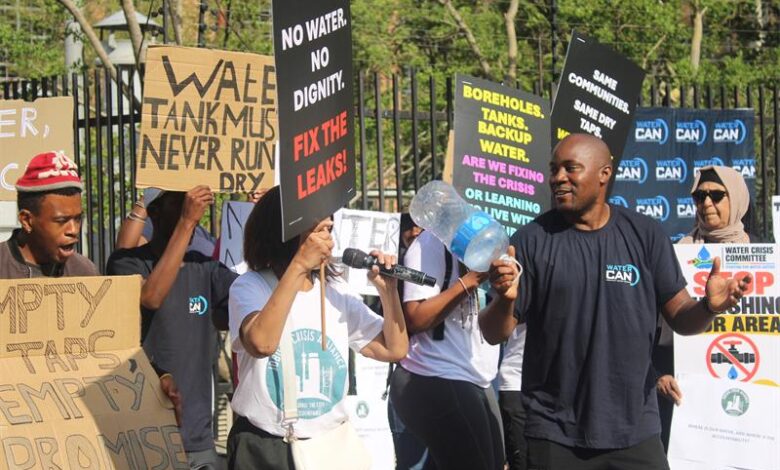
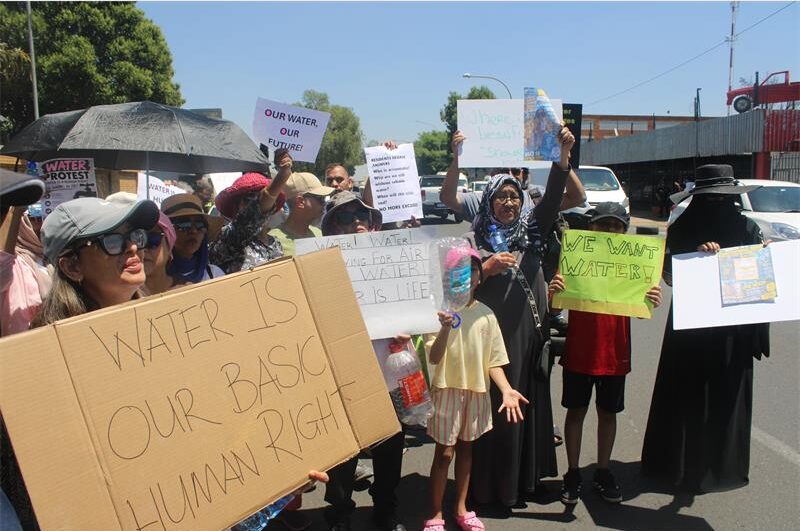
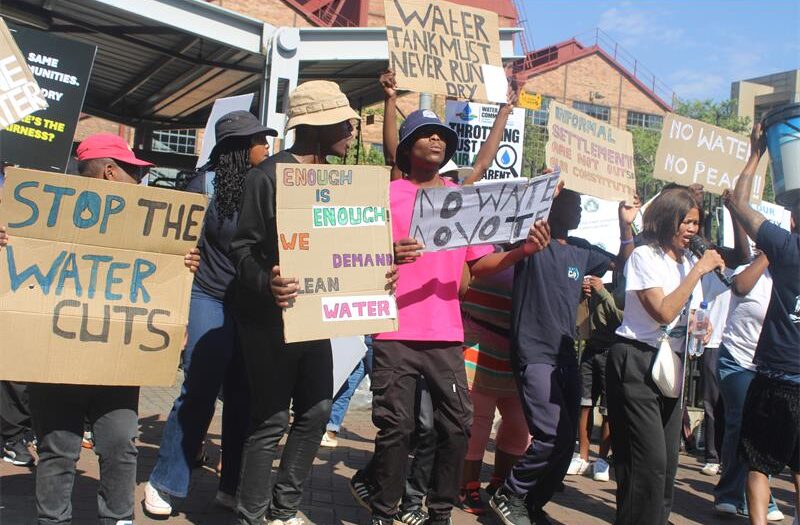
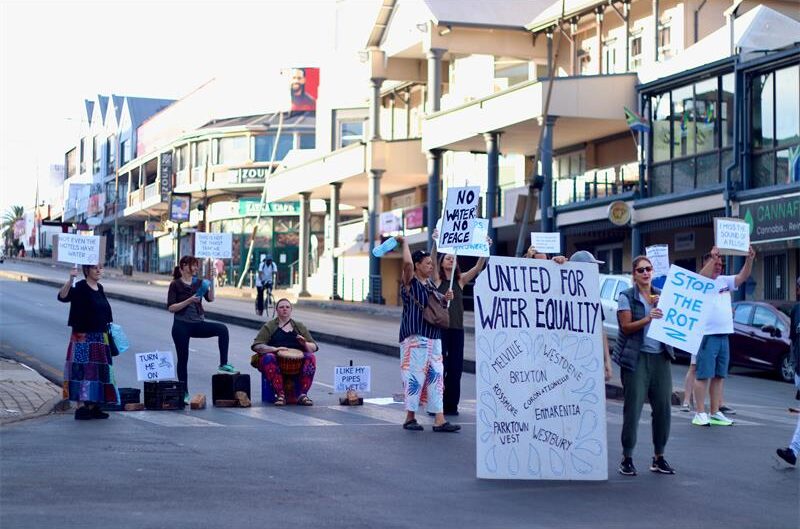
More than 10 water protests were held towards the end of October, with the latest taking place on November 2. As summer approaches, residents say unreliable supply is draining household budgets, forcing families to buy water, install storage tanks and plan their daily routines around uncertain supply.
For some Johannesburg residents, the water crisis is becoming an expensive exercise in making do. Households are buying water, investing in storage tanks and pumps, and rearranging their daily routines around taps that can run dry without warning.
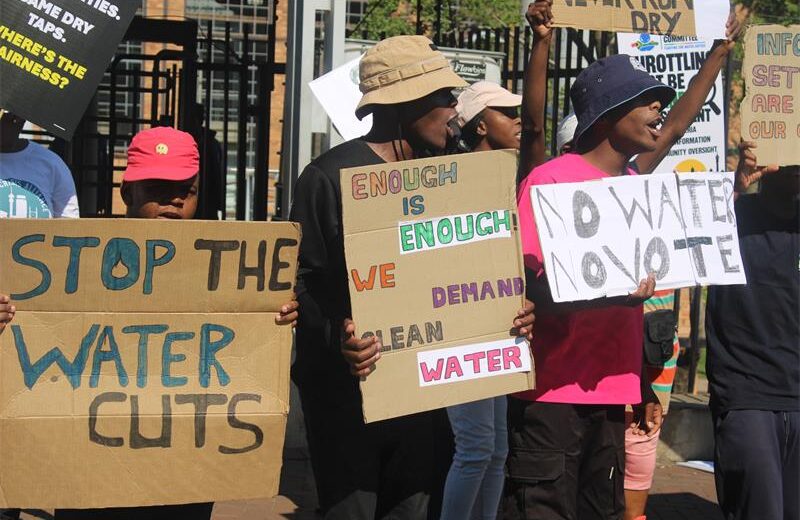
More than 10 water protests took place towards the end of October as frustrated residents demanded answers over persistent supply disruptions. The latest protest was held on November 2 outside Johannesburg Water’s Newtown offices, where residents from several affected communities called for urgent intervention.
With summer approaching, residents fear the situation could become even more difficult as temperatures rise and household water needs increase.
Read more: Johannesburg Water sets out turnaround plans to improve water supply reliability
For Melville resident Shadrack Mashaba, the costs have extended well beyond the inconvenience of having no water. He said residents in his part of the suburb, which is situated on a hill, were often among the first to lose supply and the last to have it restored.
“Every little glitch that happens at Johannesburg Water, when there’s a pipe or a pump, whatever, we lose water for like two weeks,” he said.
Mashaba, who lives with a large family, said the household had resorted to buying water and paying for tankers to refill JoJo tanks. Some residents had also invested in tanks and pumps to keep water available at home. He questioned why residents should continue paying municipal rates and taxes while having to spend additional money to secure a basic service.
“I’m paying for something that I don’t even understand. They’re not telling me what I want to hear. But also, I’m not getting the service that I need,” he said.
The shortages have affected even the most basic household routines. Mashaba said his children sometimes had to decide which toilet could be flushed, while residents were increasingly concerned about the future of their communities. He warned that continued service failures could affect Johannesburg’s economy, with some residents considering moving elsewhere in search of more reliable services.
In Crosby, resident Aziz Ally said the uncertainty surrounding water supply had forced households to organise their lives around when water might be available. Residents had to get home early to shower before supply was interrupted or store water in preparation for the following morning.
He said the biggest frustration was not knowing when water would return or when it would be cut off.
He said calls to the entity’s customer service centre had not provided the clarity residents needed. “All we’re asking for is, if you’re saying you can’t supply us water for two days, let us know. I can’t supply you water for two days in a week, and we’ll plan accordingly. But now we don’t know anything. There’s this radio silence,” he said.
The approaching summer has raised further concerns, particularly for older residents and poorer households that cannot afford to buy bottled water or install storage facilities.
Also read: A flood of questions and a trickle of answers over Melvilles leaking water valve
Ally said the elderly were especially vulnerable to dehydration during hot weather. He questioned how residents who could not afford alternative supplies would keep themselves hydrated, adding that he had not seen water tankers regularly serving the affected communities.
Ally also warned that the consequences could extend beyond household water shortages, pointing to possible effects on food production and prices if crops were not adequately watered.
In Melville, resident Anton Lub questioned whether enough had been done over the years to expand reservoir capacity and prepare infrastructure for growing demand. He said the inconsistent supply had left residents uncertain about what to expect, with some receiving water for several hours before losing it again.
Lub said he had installed a JoJo tank at his home, which provided about 250l of stored water for flushing toilets, washing dishes and other household needs.
Johannesburg Water spokesperson Nombuso Shabalala acknowledged the frustration and hardship experienced by affected communities.
She said the Commando System was particularly sensitive to disruptions because of ageing infrastructure, limited bulk capacity and growing population pressures. High-lying areas could also take longer to receive water because reservoirs must first refill before towers can restore supply through the network.
Power failures and pump interruptions, including those affecting Rand Water facilities, could further delay recovery. Shabalala said the entity was implementing short-, medium- and long-term interventions to improve supply reliability, including infrastructure repairs, upgrades and water-demand management measures.
She added that alternative water supplies for residents were arranged on a case-by-case basis and coordinated through ward councillors when Johannesburg Water was made aware of prolonged interruptions.
At the November 2 protest, Johannesburg Water executive manager for stakeholder relations and communications Nondumiso Mabuza received the memorandum from the Johannesburg Crisis Alliance and its demands. She said the entity would communicate further with the community.
Follow us on our Whatsapp channel, Facebook, X, Instagram, and TikTok for the latest updates!