
Spotted eagle-owl chicks ringed in Fairland garden
From avoiding rat poison to protecting young owlets, EcoSolutions shares practical advice on helping spotted eagle-owls and barn owls thrive in urban neighbourhoods.
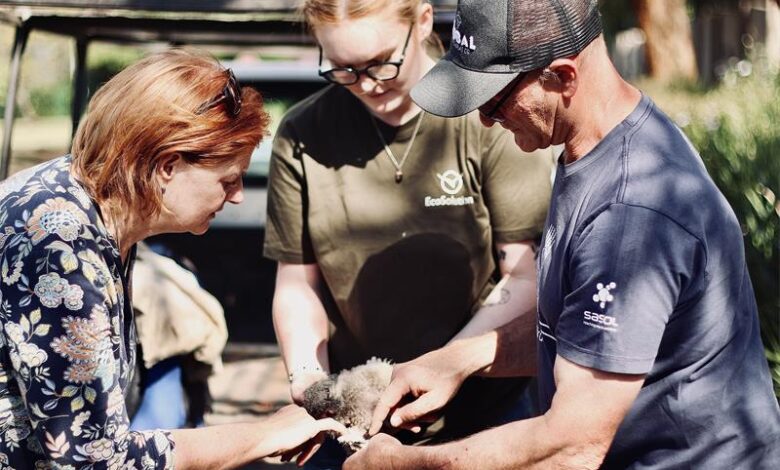
The sight of three spotted eagle-owl chicks in a Fairland garden offered a reminder that Johannesburg’s suburbs are home to more wildlife than many residents realise.
The three young owls were ringed by EcoSolutions in the garden of Fairland resident Sam van der Burg, who had made space for the birds by installing an owl box after first noticing owls in the area in 2023.
While the encounter was a special moment for the resident, it also highlighted the importance of creating safe nesting opportunities for owls as urban development continues to change their natural habitats.
EcoSolutions CRM operations and support coordinator Caitlin Brodie said spotted eagle-owls and barn owls were the two species most commonly encountered in Johannesburg’s northern suburbs.
Read more: Front row seat to the lives of wild owls in a Fairland garden
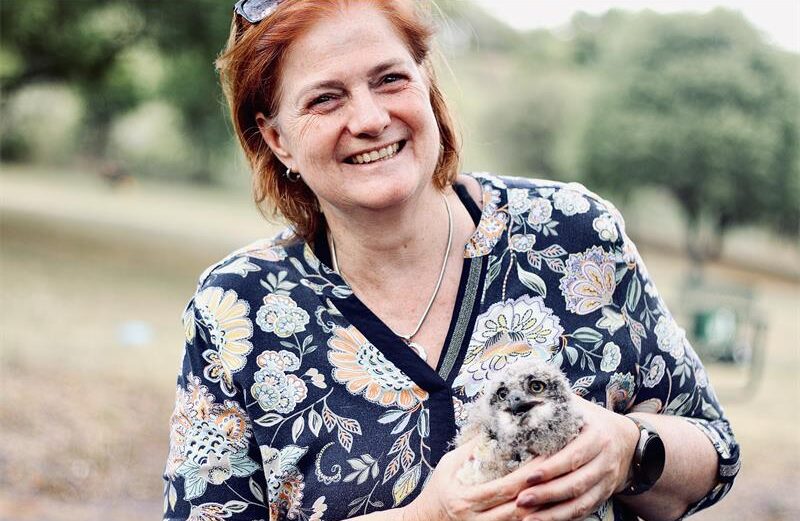
Spotted eagle-owls are frequently found in residential gardens because they have adapted well to suburban environments and have a varied diet. Barn owls are more commonly encountered in industrial areas, on agricultural properties and in some townships, particularly where rodents are abundant.
Although both species have adapted to urban environments, they face different challenges when it comes to finding suitable places to breed.
Spotted eagle-owls often nest on the ground, leaving adults and chicks vulnerable to vehicles, dogs and disturbance from people. They can also nest in trees, while specially designed owl boxes provide a sheltered alternative above ground; EcoSolutions lines its spotted eagle-owl boxes with gravel to replicate the natural nesting surface.
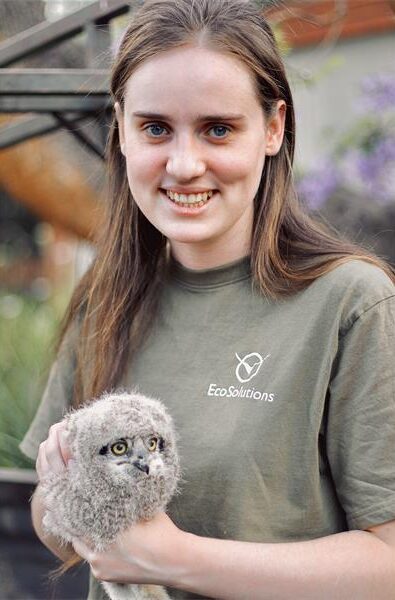
Barn owls, meanwhile, rely on cavities for nesting. The removal of mature trees containing natural hollows during development can reduce the availability of suitable nesting sites. Some birds resort to nesting in roof spaces, which can lead to conflict with residents over noise and odours. Purpose-designed owl boxes can provide an alternative nesting space.
Beyond their presence in gardens, owls play an important role in maintaining the urban ecosystem.
According to Brodie, they are natural pest controllers, helping to keep rat and mouse populations in check; rodents are also an important food source for snakes, while spotted eagle-owls themselves feed on some snakes and large insects.
However, human activity remains one of the biggest threats facing urban owl populations.
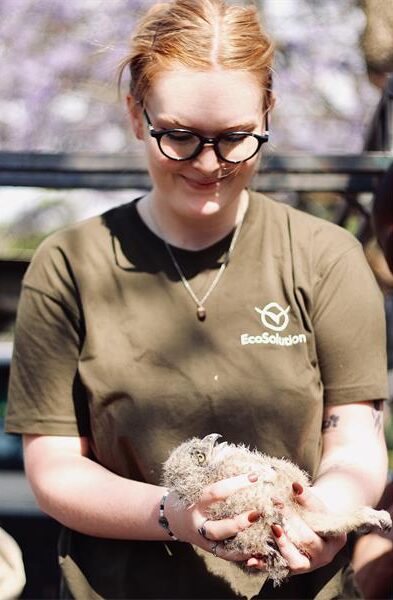
As development expands into their habitats, owls have fewer undisturbed places to nest. Ground-nesting birds and their young are particularly vulnerable to traffic and domestic pets, while negative perceptions and cultural stigma surrounding owls can sometimes result in them being disturbed or harmed.
Also read: What happens during an owl ringing? Inside the process in Fairland
One of the less visible dangers is rat poison.
Brodie warned that owls can suffer secondary poisoning after eating rodents that have ingested rodenticides. She stressed that no rat poison is owl-friendly, even when products are marketed as such, and encouraged residents to consider poison-free alternatives for managing rodents.
EcoSolutions’ ringing programme also contributes to understanding how owls move through urban environments and the risks they encounter.
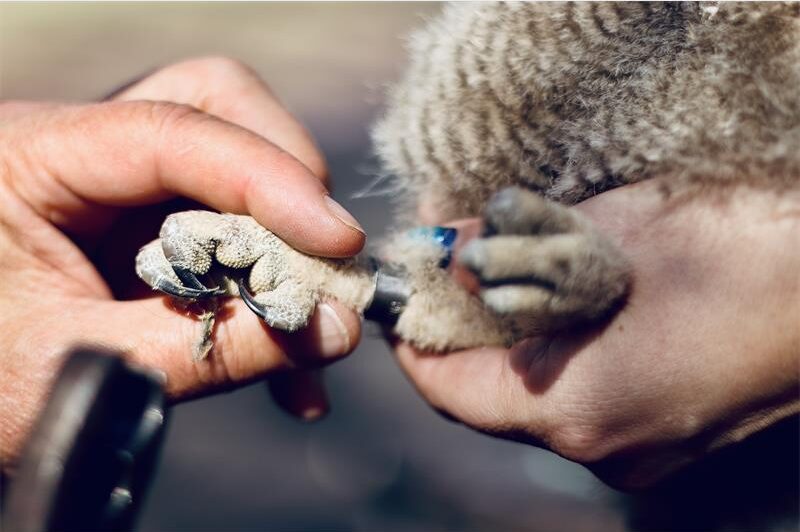
Each ring carries a unique identification number that allows conservationists to link a bird to its original ringing record if it is found again. Over time, these records help researchers build a picture of movement patterns and survival.
Brodie shared the example of a barn owl, which was ringed and released in Fairland before being found more than 30 km away just 13 days later.
Another record involved a spotted eagle-owl ringed in 2006 and found again in 2014, about eight and a half years later, only 6 km from its original release site.
While the records do not reveal where the birds travelled in between, they contribute to a growing body of information that can help conservationists identify patterns and guide future conservation strategies.
Residents also have an important role to play when they encounter owls or discover a nesting site.
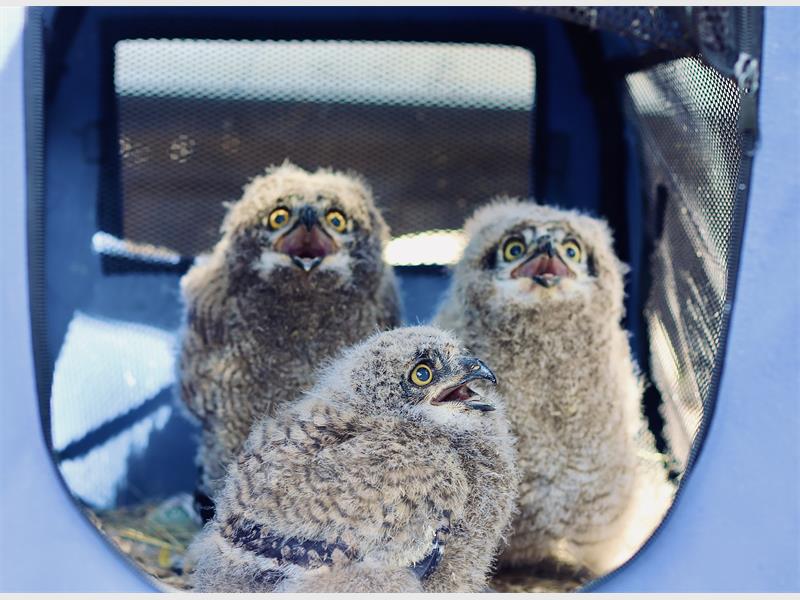
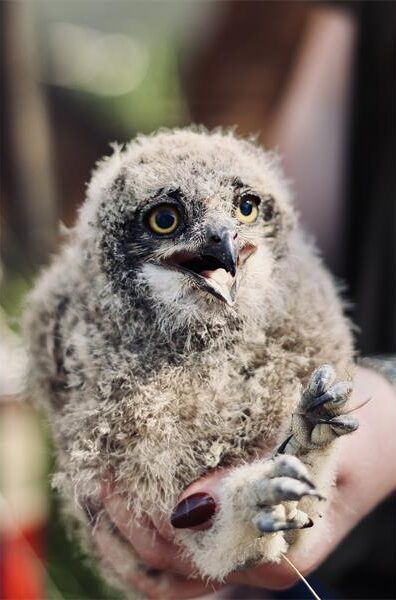
Brodie advised people to give the birds space and avoid handling young owls; spotted eagle-owl chicks may spend several days on the ground after leaving their nest while learning to fly. Their parents generally continue caring for them, meaning they do not necessarily need rescuing.
Residents should keep dogs away from the young birds and remain alert when driving, particularly near known nesting sites. Those with swimming pools should check them regularly and consider installing an escape ramp in case an owlet falls in.
If an owl is injured, found on a road or nesting somewhere unsafe, residents should contact EcoSolutions for advice before attempting to move it.
Installing a suitable owl box, avoiding rodenticides and protecting nesting sites are among the practical ways communities can support these birds.
Brodie encouraged residents to remember that owls are widespread across Johannesburg, even in neighbourhoods where they are seldom seen.
By making small changes to how they manage their gardens and properties, residents can help ensure that these nocturnal neighbours continue to have a place in the city’s urban landscape.
Follow us on our Whatsapp channel, Facebook, X, Instagram, and TikTok for the latest updates!