
Health Department responds to complaints of poor service at Glenridge Clinic
In cases where there is a shortage of medical supplies from the manufacturers, where possible, alternative drugs are prescribed and issued.
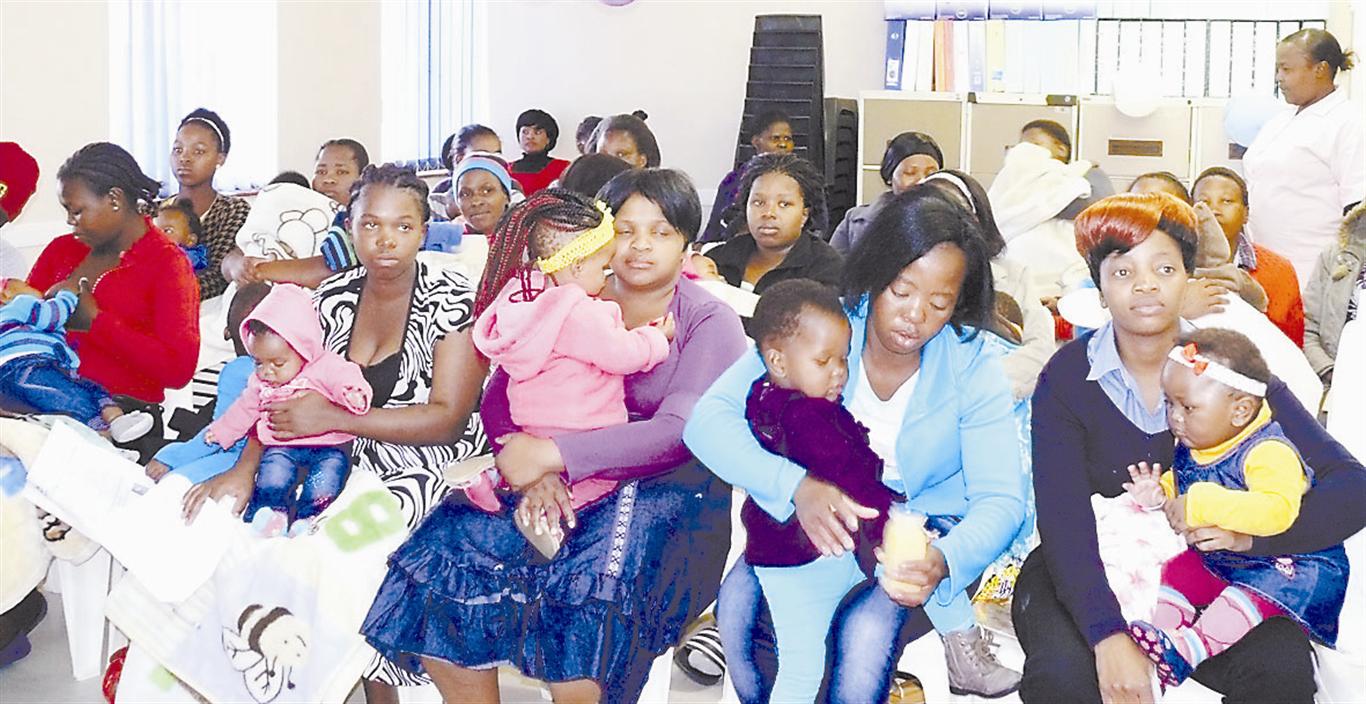
Following complaints in October over the lack of patient care at Glenridge Clinic in Glencoe, the KZN Health Department has finally responded. Patients who contacted the Courier told of long queues, a lack of medication and no facilities to change babies nappies.
The Courier passed on the complaints to Ward Councillor, Dr Isri Bedassi, and the local hospital who in turn passed on the comments to the Provincial officer.
Spokesman, Sam Mkhwanazi said: “The KZN Department of Health has noted with concern allegations raised by the newspaper and views them in a serious light. Regarding allegations that diabetic and elderly patients waited for long periods of time, management of the clinic has made a commitment to review and closely monitor the waiting times for patients in order to improve on them. Notwithstanding the challenges posed by the structural design of the building, the clinic has a system whereby healthcare service users who enter can follow a queuing system which directs them according to their health needs.
“While it is true that the facility has no baby change area in the bathrooms, healthcare users are encouraged to request the use of available consulting rooms which have beds.
‘The Department has a functional system for monitoring the shortage of medical drugs’
“The Department can confirm that early in the year, there was a countrywide shortage of the Hexaxim vaccine. Hexaxim (DTPa-hepB-IPV-Hib) is a vaccine used to protect against infectious diseases.
Hexaxim helps to protect against diphtheria, tetanus, pertussis, hepatitis B, poliomyelitis and serious diseases caused by Haemophilus influenzae type b. Hexaxim can be given to children from six weeks of age.
“The vaccine is now available. The Department has conducted campaigns appealing to parents and/or guardians of all babies who missed the doses to return so that it could be administered to them. The department has a functional system for monitoring the shortage of medical drugs, which allows it to rotate the drugs among facilities with the district and the province to ensure that no client leaves the facility without the prescribed items. In cases where there is a shortage of medical supplies from the manufacturers, where possible, alternative drugs are prescribed and issued.
“Without referring to any incident in particular, the department would like to urge healthcare users or accompanying relatives who have concerns, to demand to see health facility manager(s) or public relations officer to immediately register their concerns.”