Faulty geysers cause a flood of problems in winter
Homeowners urged to give their geysers a little TLC this winter so that they can endure the bitter temperatures.
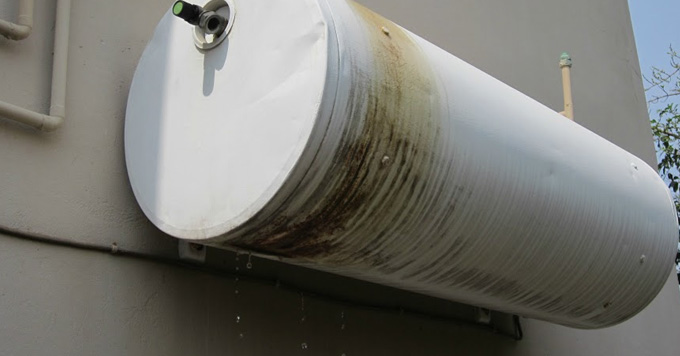
Every year, the insurance industry spends millions of Rand on water damage caused by malfunctioning hot water geysers. In winter, when geysers suffer more wear and tear, claims for geyser-related damage increase.
Budget Insurance is urging homeowners to give their geysers a little TLC this winter so that they can endure the bitter temperatures.
Spokesperson, Graham Craggs said a defective geyser was a serious concern. Besides destroying fixtures and fittings in the house, it can also cause serious injuries or even death.
“Geysers that burst are dangerous, and to prevent devastating consequences, it is worthwhile having your geyser checked out by a professional before the cold weather really sets in,” he advised.
He explained, expansion and contraction of the geyser tank and its components occurred during normal usage, as hot water left the geyser, and was replaced with cold water. However, in winter the cold water temperature dropped considerably. The temperature difference between the cold water entering the geyser and the hot water leaving the geyser was therefore greater than during the summer months. This increased the rate of expansion and contraction, which could lead to metal fatigue.
“So, while cold weather won’t cause your geyser to burst, your geyser is more vulnerable to bursting during cold weather if it is old or if the valves or thermostat are faulty,” said Mr Craags.
Typically, geysers has a lifespan of five years, and over this time they corrode, but homeowners could lengthen the lifespan of their geysers with proper maintenance.
Experts recommend geysers should be serviced by a qualified plumber every three years. A geyser service entails draining the geyser and checking its components including the anode, element and thermostat. Lime scale and sludge must be removed from the tank and element, and the whole system be checked for leaks.
At the same time, a drip-tray should be fitted, if there isn’t one already in place beneath the geyser.
“The outlet pipe on a drip-tray carries away most of the water should the geyser burst, making it a helpful measure for limiting water damage to walls, carpets and other home contents.”
Mr Craags said the plumber should also check the thermostat temperature on the geyser wasn’t set too high. The recommended temperature is 60 degrees Celsius. Geysers are known to burst when the thermostat was incorrectly set or badly regulated, as it would incorrectly control the heat levels of the water in the geyser, and possibly cause an explosion due to the amount of accumulated steam.
“Your geyser’s thermostat controls the temperature of the water in the tank, keeping the water at a constant temperature, regardless of what the weather is like outside. Your geyser had to work so much harder when the weather was cold, and your household’s hot water needs to increase. That’s one of the reasons why your household energy bill increases during winter.”
To ease the burden on your geyser, one has to turn down the thermostat to 60 degrees celsius, and fit a geyser blanket to help reduce heat loss.
“This will help reduce your geyser’s power consumption and ultimately, your electricity bill.”
Mr Craags emphasised the importance of switching off geysers from time to time, especially during peak electricity demand periods. He also said it was best to not let the geyser get cold, as the additional contraction-expansion cycle would decrease the lifespan of your geyser, while also consuming more electricity to warm the water up again.
“Prevention is better than cure, and one must keep an eye out for the early warning signs of geyser failure. If you notice that water coming from the geyser isn’t as hot as it used to be, that the water pressure isn’t high enough, that too much water or steam is coming from the hot water overflow pipe on your roof, that the geyser is making strange humming, hissing or cracking noises, or you notice wet spots near the geyser, disaster may be around the corner and it must be inspected immediately,” Mr Graags advised.
Mr Graags said it was important to switch off the electricity mains immediately if your geyser burst.
“Turn off the water mains, and call your plumber and insurer,” he concluded.