Housebreaking: What you need to know
Here are some ways to prevent housebreaking
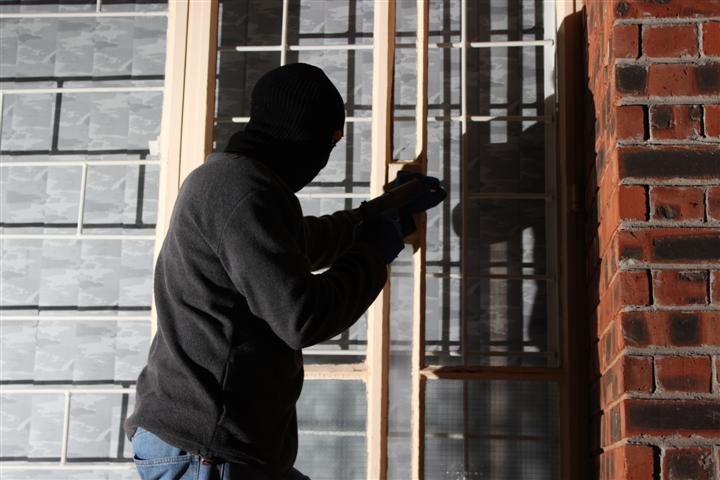
Housebreaking is not an uncommon phenomenon in our province.
According to the Victims of Crime Survey (VOCS) released in 2012, KwaZulu-Natal, at 36.4%, had the highest percentage of housebreaking and burglary incidents. Houses left unattended or which lack adequate security measures are marked as easy targets by potential burglars.
Here are some ways to prevent housebreaking:
1. The locks on outside doors should be changed when you move into a new home or after keys have been lost or stolen.
2. Make provision for sufficient outside lighting. Outside lights that are on during the day draw the attention of thieves.
3. Mail left in the gate is also a sign that nobody is home. Get a friend or a neighbour to keep a regular eye on your property and remove mail and newspapers.
4. Conduct thorough background checks before employing anyone (permanent or casual workers). Be careful what is discussed in front of your staff.
5. A watchdog is a good early warning system. The death of a watchdog is a warning sign of a possible burglary. Poisons used to kill or incapacitate dogs are also very poisonous to humans.
6. If an alarm goes off, you hear strange noises or dogs bark, switch on the outside lights and investigate with caution. Do not go outside before you are sure it is safe. If you have a ‘panic button’, use it if you see anyone suspicious on the property. You can always call to cancel the response if need be.
7. Always keep your keys safe to prevent them from being duplicated. Never leave your house keys under a doormat or in a pot. Once you have locked your door from the inside, remove the key from the keyhole and place it in a safe place, where it cannot be reached from a window.
8. Know your neighbors and build a relationship of mutual trust and support. When going away on holiday inform them, or make arrangements for your house to be under supervision as often as possible.
9. It is best to arrange with persons living in the same street as you to be ready at all times to come to the rescue of one another if in danger or if you suspect that there is any kind of criminal activity going on. Exchange phone numbers or signaling methods when you find yourself in distress. Help by informing SAPS or a security company, making a noise and switching on lights. Residents are advised not to intervene in dangerous situations.
10. Draw up an emergency plan with your family and see to it that every member of the household is familiar with it.