
Seven tips to a water-wise garden
Follow the next seven tips and you will have a much more water-wise garden.
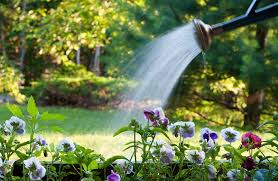
Follow the next seven tips and you will have a much more water-wise garden.
Planning and design
Try to include solar lighting, rainwater tanks, a worm farm or other sensible green ideas. Don’t forget the essentials which are not so exciting, like composting areas.
Before selecting your plants, take into consideration how exposed or sheltered your site is, soil type, annual rainfall and general climatic conditions like frost, salty winds and more. All these factors will greatly influence your choice of plants. It is vital you identify sunny and shady areas, so clearly mark a plan with its north, south, east and west beds and take notes on exactly how many sun hours each.
Make use of the concept of zoning, in which plants with similar sun and water needs are grouped together. If you have a large garden, design it so the highly visible areas have irrigation, but the rest of the garden has broad areas requiring little maintenance.
Soil amendment
Soils can vary from one part of the garden to the next. No matter what soil type you have, and especially if you have sand or clay, the addition of organic matter (compost) will greatly improve the chances of success. If the soil is hard and compacted, dig the compost in as deeply as you can. Lack of initial soil preparation is a major reason for plants not thriving. Good soil is a must for plants to develop deep-root systems which can endure drought.
Reduced lawn areas
Most lawns require a lot of water, fertilisation and upkeep, so carefully consider how much lawn you really need and use it only where really prudent.
Efficient irrigation
Gardeners tend to water more than needed, and installing the correct irrigation system will water your plants efficiently and reduce water evaporation, saving you a fortune on water bills. Water deeply but less often, as deep soakings encourage deep root growth, enabling plants to thrive between watering.
There are several ways to water your garden, from various sprinkler systems to drip irrigation and soaker hoses. Avoid watering on windy days when evaporation rates are higher and always water in the cool of the early morning or late afternoon. A drip irrigation system will supply a continuous drip for a longer period than if you were to run your regular sprinkler heads. If you install a timer system, reset it according to the seasons and frequency of rainfall, and check your spray heads regularly to ensure they are not spraying unnecessary surfaces like driveways and other hard surfaces.
Appropriate plant selection
Zone your garden by having high, medium and low watering areas, and group your plants accordingly. Do some research and choose plants carefully. Whether you decide to go totally indigenous or want to include exotics in your design, grouping plants according to watering, soil and sun requirements is vital for success.
Use of mulches
Mulches minimise evaporation, retard weed growth, slow erosion and help prevent soil temperature fluctuations. Good mulches include compost, bark or wood chips and straw.
Good maintenance
Proper maintenance of your irrigation is important because weeds use a lot of water and keeping the garden weed-free will also help. Mowing your lawn to the correct height is important because if it is mowed too short, it dries out quickly thus requiring more water.