How safe is it to donate blood?
Do not to have any hot beverages, such as coffee and tea while having your meals as this prevents one's body from absorbing iron
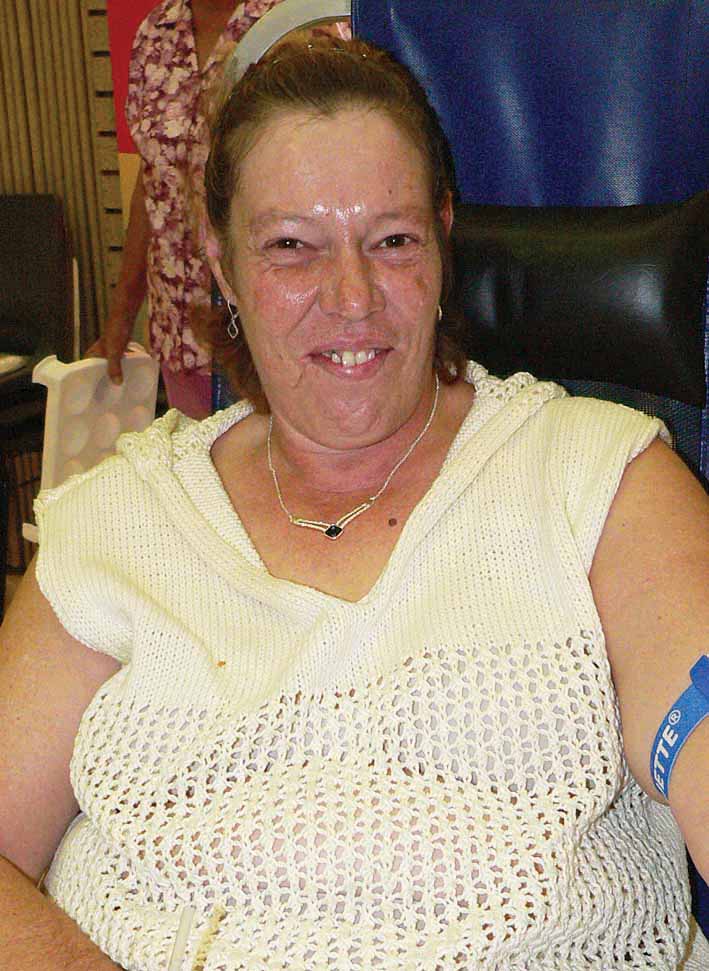
As a donor, you have to complete a Self Exclusion Questionnaire, with questions based on your health and lifestyle. The questions asked are to ensure that it is safe for you to donate blood and that your blood is safe for a patient to receive.
Your blood pressure is also measured, to ensure you are fit to donate. A fingerpick test will also be done to check your iron levels, though this is where many eager donors are turned away due to low iron levels.
Below is a list of various fruits, vegetables and meats to help build and maintain the iron your body stores:
Great iron sources: Oysters, mussels, pork, fish, beef, lamb, liver, tripe, chicken and turkey.
Good iron sources
Dried fruit, beans and lentils, prune juice, peas, pumpkin and sunflower seeds, nuts, iron fortified cereal and dark, leafy greens like spinach.
Vitamin C sources to help absorb iron into the body: Watermelon, sweet melon, oranges, grapefruit, cabbage, tomatoes, green pepper, strawberries, cauliflower, broccoli and Vitamin C fortified drinks.
The South African National Blood Service (SANBS) team urge you not to have any hot beverages, such as coffee and tea while having your meals as this prevents one’s body from absorbing iron. Instead, try having fruit juice to help boost your iron absorption.