Get ready… goat meat will soon be for supper
"Goats are largely drought-resistant and we believe that in an area which already has a large goat population it is a natural and worthwhile development."
The Umzinyathi District could soon become the hub of a thriving goat commodity initiative to promote the sale and consumption of goat meat as an alternative source of cheaper protein.
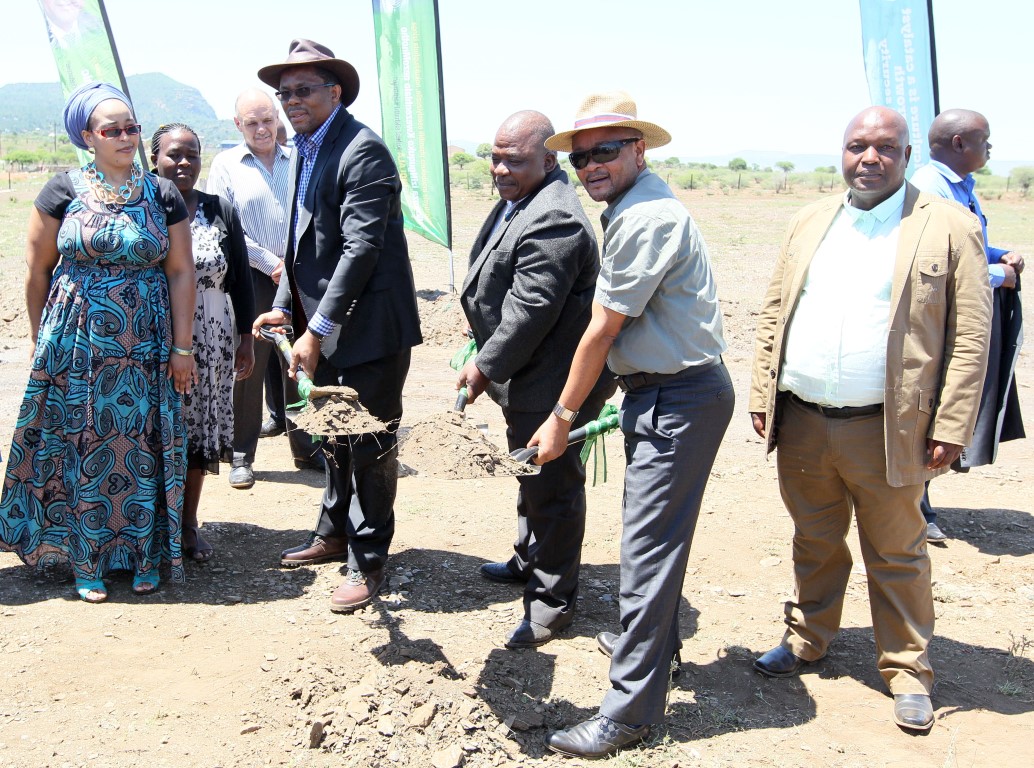
The future of the commercialising of goat farming was further cemented when Premier Senzo Mchunu took part in a sod-turning ceremony to mark the site of a new goat abattoir in Mphelankani in the Msinga area.
Msinga is one of the poorest municipalities in the country. About 85 percent of the population are dependent on social grants and 71 percent of the population is under the age of 30. Young people in the area have few post-school opportunities and no jobs.
Cyril Xaba, MEC for Agriculture and Rural Development, said it is hoped to change this by adopting a ‘battle plan’ to help eradicate poverty.
Part of the plan is the launching of the Inkululeko Development Projects.
“The goat abattoir is but one of a number of Inkululeko Development Projects set to be built in the area,” he said.
One of these is the promotion of goat meat for human consumption.
“Goat meat known as chevon is popular the world over in countries in the Middle East, India, Pakistan and the Caribbean. In promoting goat farming we are also looking at the export market.”
Last month, Msinga held the first-ever Goats Expo and Goats meat Cook-off competition. This was to open doors for the community of Msinga to participate in the agricultural economy.
“Goats are largely drought-resistant and we believe that in an area which already has a large goat population it is a natural and worthwhile development.”