
Isandlwana/Rorke’s Drift anniversary set to be another tourist puller this weekend
There were so many of them that even fifty years later the heart of one of them, a man named Gumpeka Qwabe, ached at the memory of them, 'so many men...that they seemed to stretch from there right to the sea
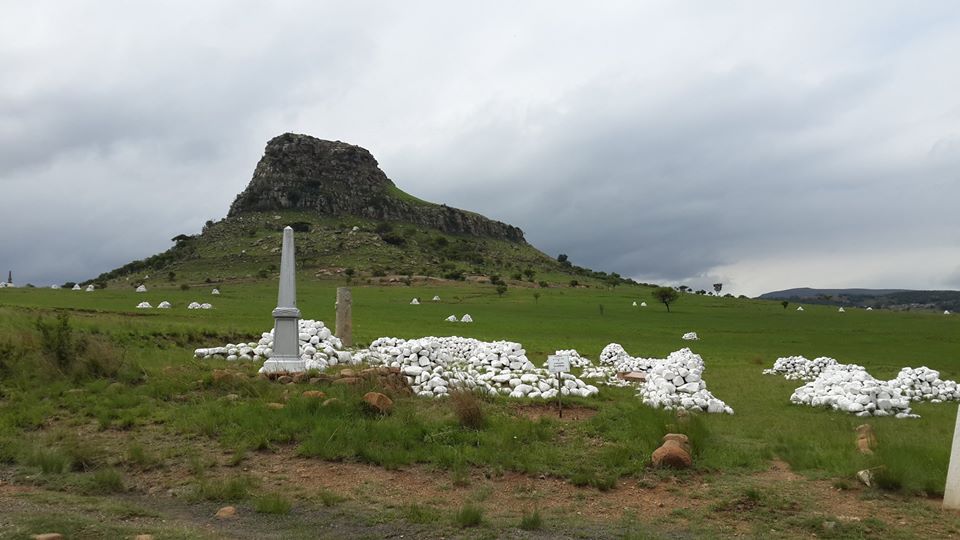
With excitement building for the anniversary of the battles of Isandlwana and Rorke’s Drift (fought in January 1879), respected historian and a regular visitor to the battlefields, Ian Knight, sets the scene for the events leading up to this epic battle.
Saturday’s (January 21) commemoration, to be attended by King Goodwill, will feature a re-enactment of the battle, acted out by the Dundee Diehard redcoats and Zulu warriors:
Setting the scene
When Lord Chelmsford’s troops attacked and destroyed kwaSogekle, the homestead of King Cetshwayo’s representative on the Mzinyathi border, on 11 January 1879, the news may have reached the king and his councillors, assembled at oNdini in the heart of the kingdom to discuss the crisis, that same day.
To the king it probably seemed that the Centre Column was not merely ‘laying waste to the country in all directions’ but targeting his personal favourites, and it focused the royal council’s thoughts on their strategic response. The Zulu army had already been gathering on the Ulundi plain, and over the next few days it underwent the ceremonies necessary to prepare it for war, to bind the warriors together and secure a supernatural ascendancy over their enemy.
The ceremonies were largely completed by January 17 – 138 years ago – and the army gathered one last time in the great central enclosure of the kwaNodwengu royal homestead, close to oNdini. Here they were formed into a huge circle and the king addressed them, issuing his instructions. He singled out the uMxapho regiment, ordering them to march to the coast to join local elements who had mustered there to oppose the advance of the British Right-Flank Column. To the rest his instructions were simple enough – ‘I am sending you out against the whites who have invaded Zululand and driven away our cattle.

You are to go against the column at Rorke’s Drift and drive it back into Natal.’ ‘I have nothing against the white man’, he added, ‘and cannot tell why they come to me. What shall I do?’
It was a rhetorical question that begged only one answer – ‘Give the matter to us!’, the assembled warriors shouted back, ‘we will go and eat up the white man and finish them off!’ And then the great army – perhaps 25,000 strong, the greatest force assembled in the kingdom’s history, an army of national unity which comprised men from all over the kingdom and from all ranks of Zulu society, from Princes of the Royal House to regional amakhosi (chiefs) and the lowliest of commoners – turned and filed out of the homestead and began its march towards the enemy.
There were so many of them that even fifty years later the heart of one of them, a man named Gumpeka Qwabe, ached at the memory of them, ‘so many men…that they seemed to stretch from there right to the sea.’ The inexorable chain of events that would lead to the battle of iSandlwana had begun;