
HOMES: Six points to consider before building your own home
Before purchasing a stand, buyers should check the title deed to ensure there are no building or zoning restrictions.
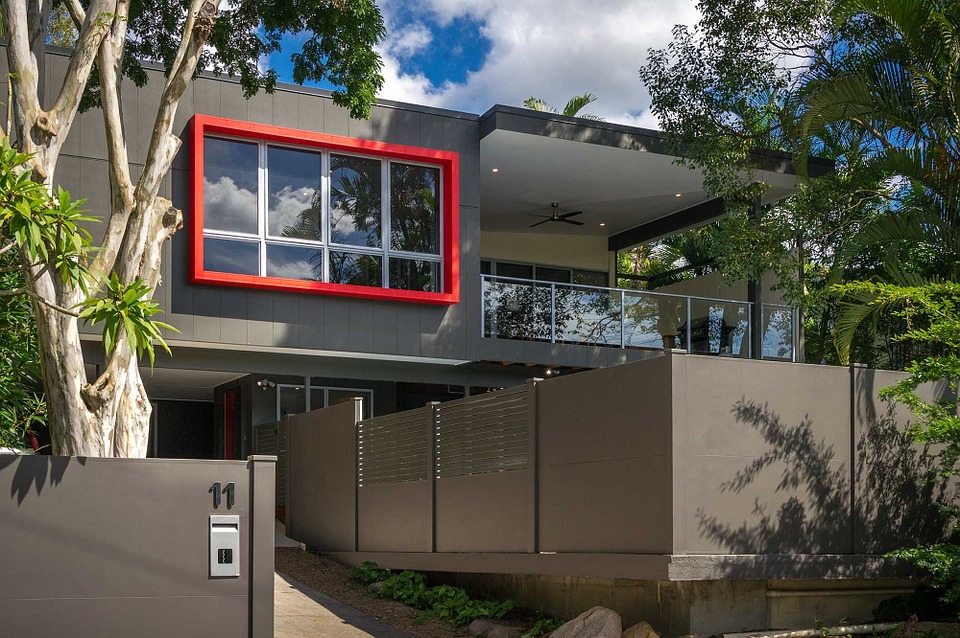
Instead of purchasing an existing property, some buyers like the idea of buying a stand and building a home to their specifications.
Here is what you need to consider when making your decision:
- The stand
A major factor to consider when wanting to build, is the stand itself. Ideally, the stand should be easily accessible, as well as being the right size and shape to fulfil your needs. It is best to select a stand that will be easy to build on to avoid the cost of excavating and levelling the ground.
Also, look at the type of soil on the stand, as clay soil might require the services of an engineering design specialist to ensure the structures will be stable – this will be a large additional expense.
Before purchasing a stand, buyers should check the title deed to ensure there are no building or zoning restrictions, as this would impact the type of home they would be able to build. It is also vital that the stand is within a proclaimed township so the home will have all the essential services, such as electricity, sanitation and water.
- The cost of building
Often a buyer will have to submit their building plans to the homeowners’ association for approval before they can commence with the project.
The cost of the build will be determined by a few elements such as the finishes that the buyer decides to use and the shape of the home. A structure that is square in shape will cost less to build than a home with an intricate and complicated design.
Buyers should meet with several builders to establish an average building rate per square metre. This will help the buyer decide on the type of home they want, how big, and if they can afford to build.
- Look at existing homes and take measurements
Whether it is their current home or that of a friend or family member, buyers interested in building should measure the size of rooms in the home to get an idea of the square meterage they want.
Take the length and breadth of a room and multiply these measurements by each other to get the size of the area in square metres. Do this throughout the home and then add the areas together to get the total size of the floor space.
- Budgeting
Even with the cost per square metre and size of the home, budgeting can be a bit difficult due to possible unforeseen circumstances that may have an impact on the project cost, such as delays in the schedule.
Buyers should make provision for an additional 20% more than the original estimated cost of building the home.
There are also other features that are not directly linked to the house to consider in the budget, such as the boundary walls, landscaping, a swimming pool and other such features.
- Homeowners’ association rules and regulations
Due to possible unforeseen circumstances that may have an impact on the project cost, such as delays in the schedule, buyers should make provision for an additional 20% more than the original estimated cost of building the home.
- And finally, selecting a contractor
Whether it is building the home from the ground up or adding to an existing structure, selecting the right contractor for the job is imperative to the outcome.
Be sure to investigate their artistry and contact references or previous clients to see if they were completely happy with the service they received.
Was this article useful? Find more useful property advice, as well as the latest property listings, on our convenient Homes page!