
Look out for cyber scams
Another resident has reported being ‘ripped off’ when he bought an item online from an unofficial site.
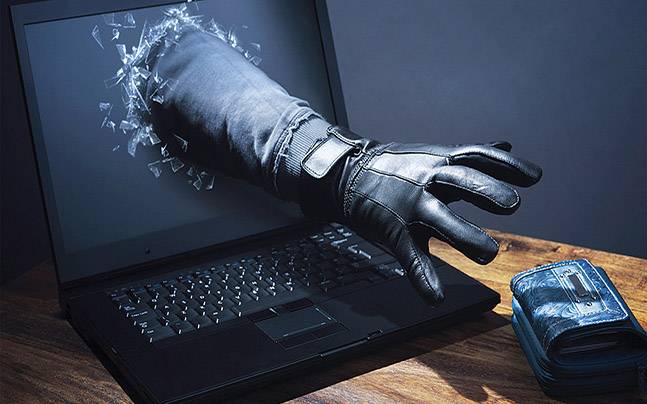
Local SAPS would like to issue yet another warning for locals, to be very vigilant of cyber crime.
“If it seems too good to be true, stay away from it,” this is the message from the SAPS’ Lieutenant Zwane.
According to Lt. Zwane, this comes after a local went to report a case of how he had been ‘ripped off’ when he bought an item online from an unofficial site.
ALSO READ: Three shooting incidents in one day
AND: Mayor falls victim to stock theft
Here are five tips to on how to stay safe when shopping online from PC Mag.com
1. Use Familiar Websites
Start at a trusted site rather than shopping with a search engine. Search results can be rigged to lead you astray, especially when you drift past the first few pages of links. If you know the site, chances are it’s less likely to be a rip off.
2. Look for the Lock
Never ever, ever buy anything online using your credit card from a site that doesn’t have SSL (secure sockets layer) encryption installed—at the very least. You’ll know if the site has SSL because the URL for the site will start with HTTPS:// (instead of just https://). An icon of a locked padlock will appear, typically in the status bar at the bottom of your web browser, or right next to the URL in the address bar. It depends on your browser.
Never, ever give anyone your credit card over email. Ever.
3. Don’t Tell All
No online shopping store needs your ID number or your birthday to do business. However, if crooks get them, combined with your credit card number for purchases, they can do a lot of damage. The more they know, the easier it is to steal your identity. When possible, default to giving up the least amount of information.
4. Check Statements
Don’t wait for your bill to come at the end of the month. Go online regularly during the holiday season and look at electronic statements for your credit card, debit card, and cheque accounts. Make sure you don’t see any fraudulent charges, even originating from sites like PayPal. (After all, there’s more than one way to get to your money.)
If you do see something wrong, pick up the phone to address the matter quickly. In the case of credit cards, pay the bill only once you know all your charges are accurate. You have 30 days to notify the bank or card issuer of problems, however; after that, you might be liable for the charges anyway.
5. Know What’s Too Good to Be True
The “coupon scam” offers of a free product with purchase, in particular an iPad (a very coveted gadget at any holiday) or even holiday job offers. Many of these “offers” will come in via social media. Beware even of your friends, who might innocently forward such a thing. Be very wary even if you get a message from friend claiming he or she has been robbed, especially a friend overseas looking for money to be wire transferred, unless you absolutely can confirm it by talking to him or her personally. Skepticism in most cases can go a long way toward saving you from a stolen card number.