
Water safety tips for swimming
This warning comes after a number of people have drowned recently in the parts of KwaZulu-Natal province
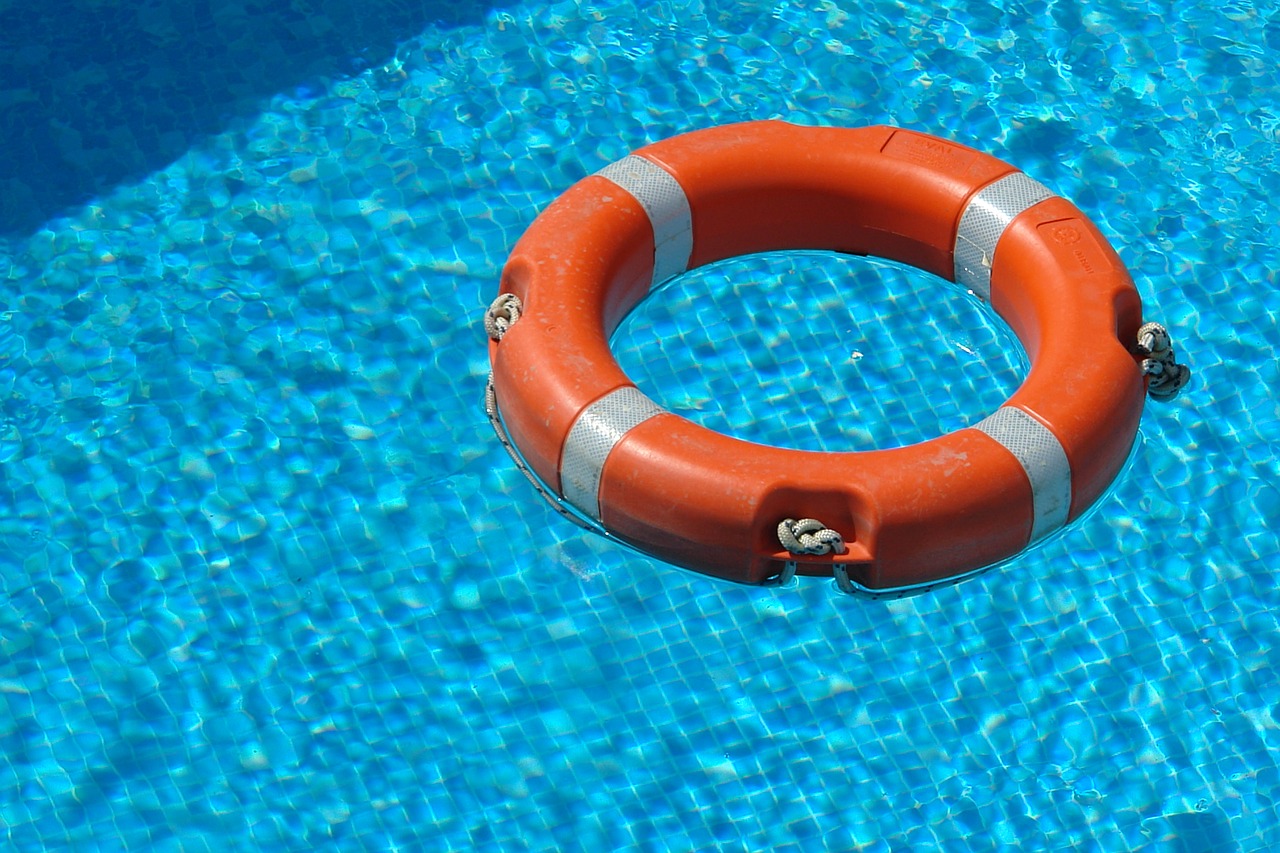
Members of the public are warned to be extra-cautious while swimming at the sea, dams, rivers or swimming pools.
This warning comes after a number of people have drowned recently in the parts of KwaZulu-Natal province.
Educational campaigns and awareness were made in the province to promote safety at recreational facilities or at sea.
During the festive season, drowning is an ever-present risk when people go on outings to rivers, beaches, dams and swimming pools, said KZN SAPS spokesperson, Lieutenant Colonel Thulani Zwane.
ALSO READ: How to prevent drowning
“Many incidents of drowning are linked to the misuse of alcohol and recklessness,” Zwane added.
Below are some water safety tips to be followed:
Before entering the sea, swimmers must take time to watch the waves and must avoid places where there is a strong backwash, obvious rip currents or a danger of being washed onto the rocks.
Check the weather and the tides before you leave home – if the sea is too rough, you could be swept away.
Only enter where the waves are straight and gentle.
If you experience a strong current, get out of the sea, or at least do not go in deep.
Never swim while you are intoxicated. Alcohol impairs judgement and unnecessary risks are taken. An intoxicated swimmer will tire more easily, increasing the chance of an accident or drowning.
Check with the lifeguards on duty what the surf conditions are before entering the sea.
Only swim in designated areas that are supervised by lifeguards.
If the lifeguards give you directions or instructions from the beach, obey them.
READ THIS: Community rescues drowning six-year-old
Look out for warning signs and flags – a red flag means it is dangerous to swim.
A red-and-yellow flag means lifeguards are on duty and you should only swim in the area between the flags.
Avoid swimming immediately after a big meal, as there is a danger of having cramps.
Do not dive into shallow seawater – many paraplegics broke their necks by diving into shallow pools and dams.
Do not swim in river mouths, in dirty water, very early in the mornings, early evenings or after it had rained as shark activity increases in these conditions. Also do not swim when bluebottles are present as they are poisonous.
Never leave a young child unattended near water and never make a child responsible for another child – not even for five minutes. Teach children to always ask permission to go near water.
If a child is missing, check the water first. Seconds count in preventing drowning or permanent disability.
Swimming aids, such as water wings or noodles, are fun toys for kids, but they should never be used instead of approved flotation devices.
Click to receive news links via WhatsApp. Or for the latest news, visit our webpage or follow us on Facebook and Twitter