Medication runs low at Newcastle Primary Health Care Clinic
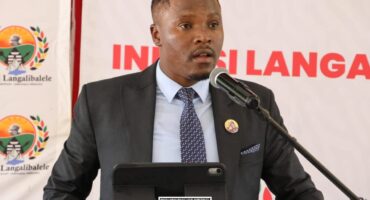
DA KZN Spokesperson on Health, Dr Imran Keeka said the new KZN Health MEC, Nomagugu Simelane-Zulu needed to publicly acknowledge there was a crisis.
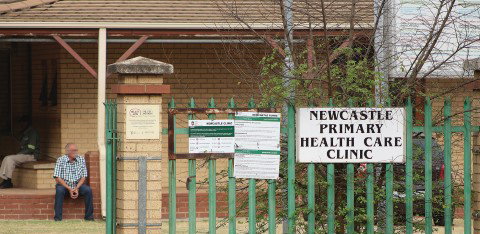
Newcastle Primary Health Care (PHC) Clinic is under the spotlight after pensioner, Annetjie van Rooyen complained that she couldn’t receive her chronic medication last week.
She was reportedly told to go to a pharmacy for her medication instead.
“I went to the clinic to get my chronic medication as I normally do. I was told there is no medication. They told me to go to a pharmacy, but I told them I can’t afford to pay for medication at a pharmacy; I am on disability grant. Even when I asked to see a doctor to at least get a prescription, I still wasn’t assisted. On top of that, I have a terrible case of flu and I didn’t even get anything for the flu. I also have ulcers, I can’t sleep well at night because of the pain.”
DA KZN Spokesperson on Health, Dr Imran Keeka said the new KZN Health MEC, Nomagugu Simelane-Zulu needed to publicly acknowledge there was a crisis.
“The medicine shortages across the province are a reality the KZN Health MEC will flatly deny. While she buries her head in the sand, the plight of the most poor and vulnerable who visit our healthcare facilities, exposes the reality of the real situation. I visited a hospital that did not have 117 pharmacy items on that day, including emergency drugs and various ARV dosage forms; and another which had 77 items short, while another was short of medicines such as paracetamol [Panado]!”
Dr Keeka added the MEC must present a plan to resolve this distress of so many people.
“Measures, including stock ‘buy outs’ from the private sector and reduced quantities to patients until supply has stabalised, should be routine. Patients on chronic medication must be encouraged to enroll on the Central Chronic Medicines Dispensing and Distribution (CCMDD programme), that will ensure they do not have to visit a clinic or hospital to collect their medication. The medicines will be delivered to accredited Pick Up Points (PUP’s) such as pharmacies.”
Dr Keeka explained the programme:
“This programme reduces waiting times at facilities and makes sure that delivery of medicines is timeous. Patients should inquire about the service at clinics and hospital pharmacies. There should be a dedicated person responsible for this at all facilities. I will raise this issue and that of the medicine shortages crisis in KZN during next week’s Health Budget debate in the KZN Legislature, on behalf of all those who are victims of this uncaring and merciless government.”
Meanwhile, KZN DOH Corporate Communication Media Liaison Officer, Agiza Hlongwane said the Department of Health did its best to deliver to the community.
“The Department would firstly like to state that medication was delivered to the patient in question on Friday. She was pleased and expressed her appreciation. Generally, the Department of Health (DOH) does not deny shortages of certain medicines from time to time. However, no patient is sent home without treatment as prescribers review the patient prescription and prescribe therapeutic alternatives for products that would be out of stock. If such an attempt is made by any employee of the department, patients are urged to liaise with the hospital PRO or CEO (in the case of hospitals); and operations manager in the case of clinics. At times, it is the matter of a particular pack size being out of stock; but the other pack sizes would be available. In such cases, the correct amount of treatment would be counted or measured from the available pack size to dispense to the patient.”
Hlongwane elaborated further:
“When a facility runs out of stock of a particular item, that item is sourced from the nearest facility that is able to provide in order to ensure that patient needs are met. Where there is no local alternative supplier of an essential medicine, the National DOH facilitates the motivation for the Section 21 Permit for importation of the products that are not registered in the country. Finally, the department will not be drawn on attempts by opportunists to politicise a rather straight-forward matter.”
The CCMDD programme was launched in 2016 by the KZN DOH, with the aim of reducing waiting times, improving access to chronic medication, introducing pick-up points which are geographically accessible to patients (closer to their homes), patients accessing chronic medicines closer to their homes, reducing the number of decongested health facilities and health provider workload, and improving patient satisfaction.
ALSO READ: PREVIEW: Clinic patients’ plight addressed by committee
Contact us
WhatsApp: 082 874 5550
Email: Reveshni Douglas (Editor) at reveshni@caxton.co.za
Make sure you follow us for constant updates: