Wakkerstroom celebrates 167 years History Weekend
Wakkerstroom parade brings town's 167-year-old heritage to life.
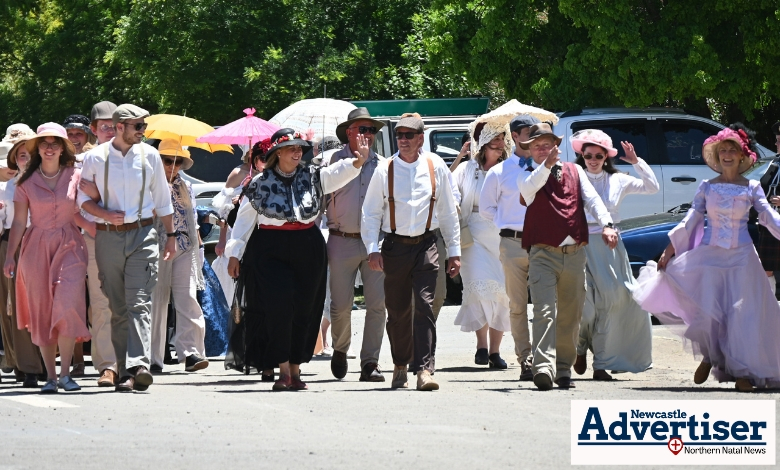
As a public celebration of the town’s history, Wakkerstroom’s History Weekend was an immersive experience in the memories of yesteryear like none other.
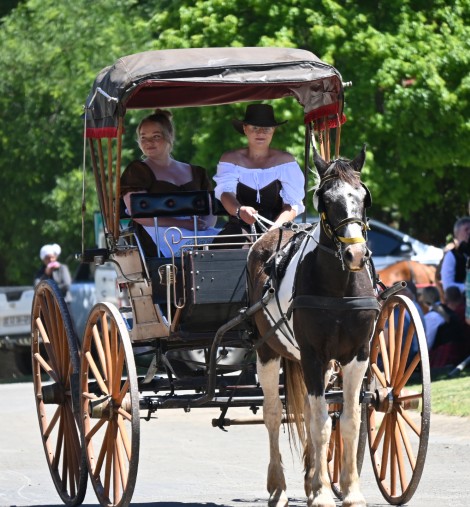
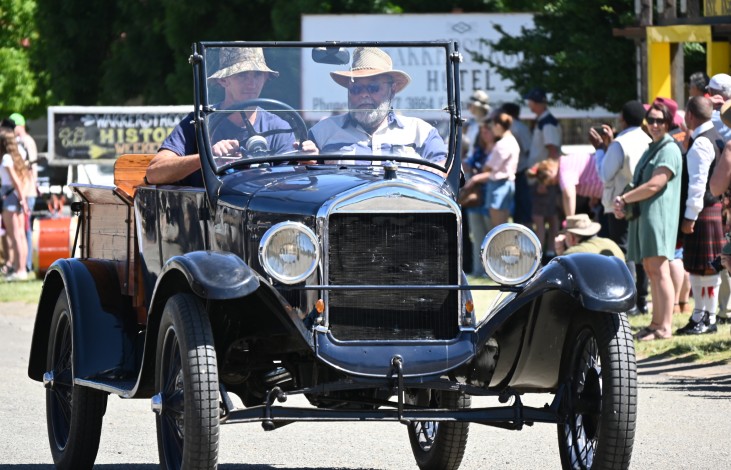
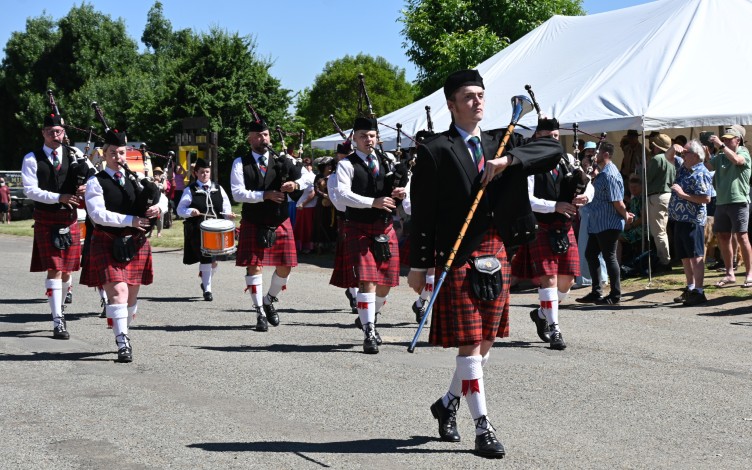
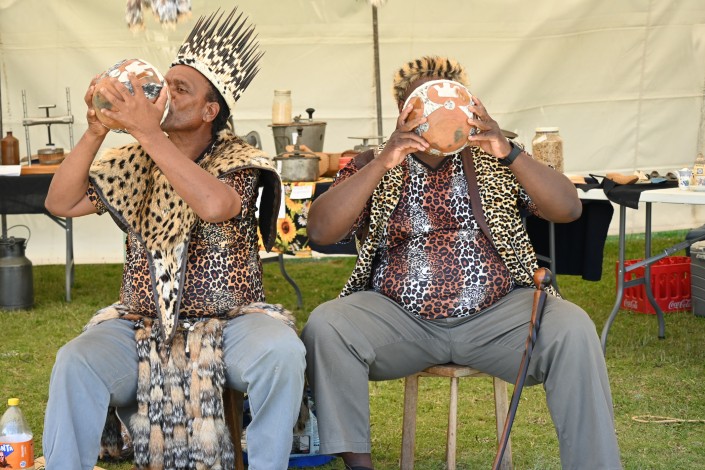
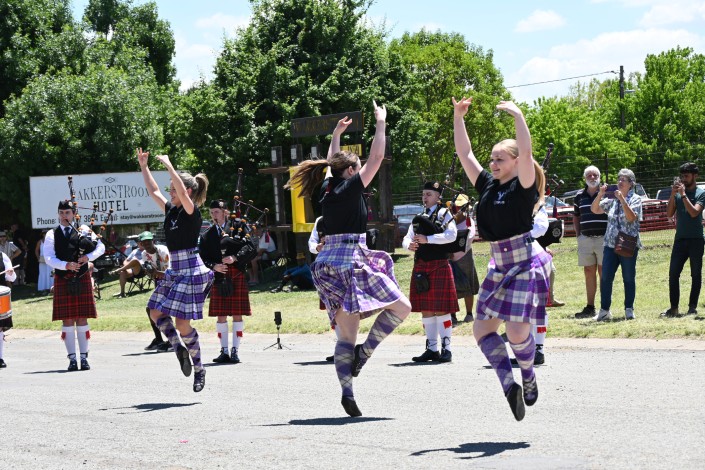
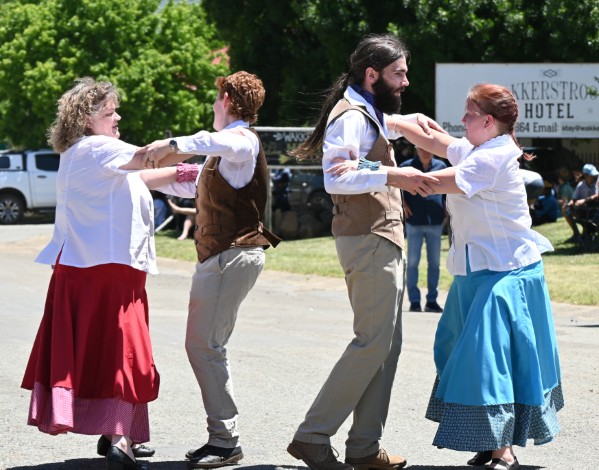
Hosted from October 23 to 25, the event featured compelling storytelling through three days of interactive activities that included a screening of ‘The Gods Must Be Crazy’ in the original Wakkerstroom Bioscope, a vibrant parade featuring the Transvaal Scottish Pipes and Drums, vintage cars, horse carts, Volkspele, Scottish dancers, historical talks by Nigel Mason and Dr Pieter Bruwer, a Living History Market with traditional craft demonstrations, and guided tours of Wakkerstroom’s heritage sites.

Parade transforms town’s memory into living exhibition
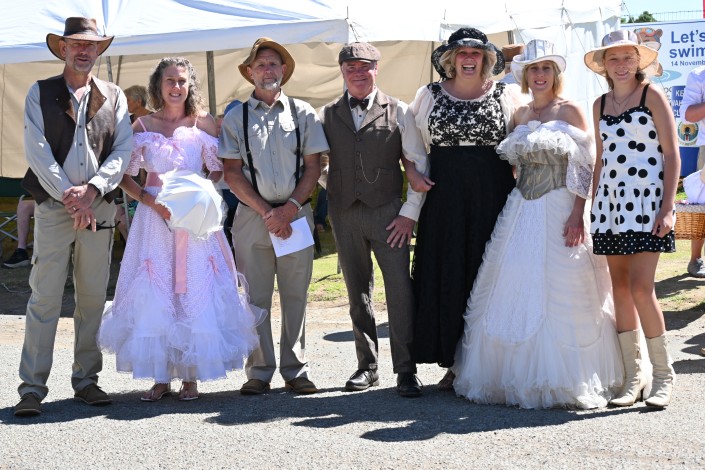
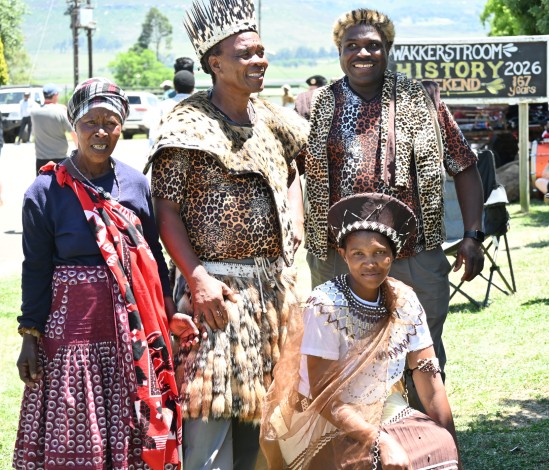
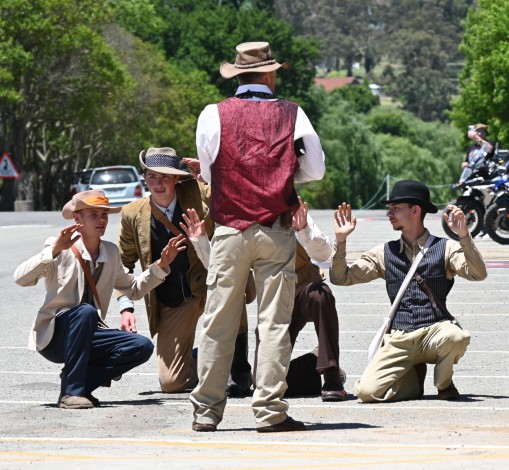
The highlight of the History Weekend was certainly the history parade, which served as a living, public exhibition of days gone by that transformed the collective memory of the town’s residents into a shared visual experience.
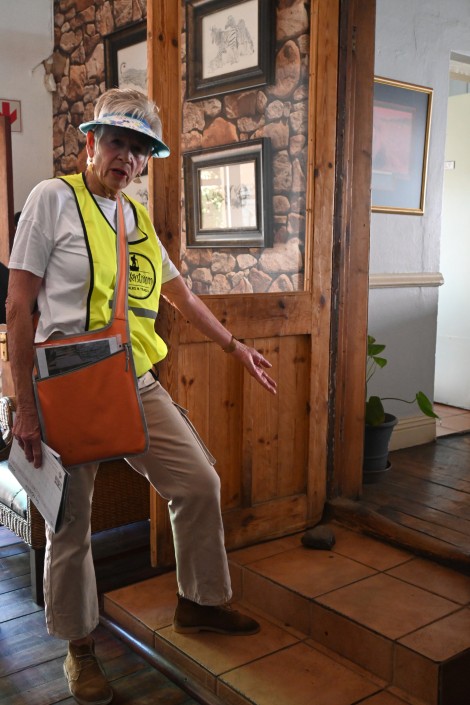
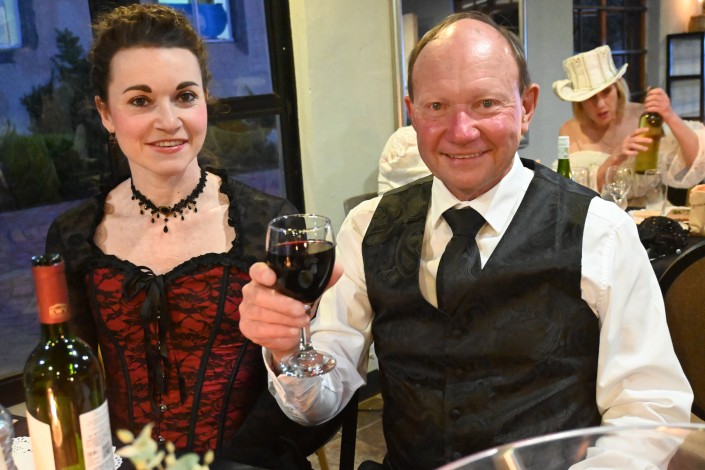
Participants in the parade, on October 24, dressed in historical garb representing specific time periods, while knowledgeable guides shared insight on major historical events, architectural landmarks and local heritage during the guided tours, which ended off the History Weekend on October 25.
The parade brought diverse community members together in a single space, fostering unity and a shared sense of belonging, while the historical talks and guided tours acted as educational tools commemorating the struggles, sacrifices and achievements of past generations, ensuring that their legacies are not forgotten.
The public procession through the town showcased different eras, historical figures and cultural milestones through marching groups, period costumes and live music.
Marching bands, traditional dancers and staged re-enactments honoured past traditions, with spectators lining the streets to watch, listen and commemorate their collective history.
Landmarks honour 167-year legacy
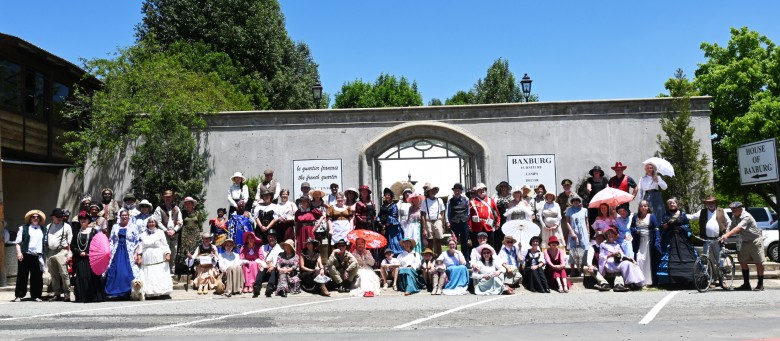
This year’s event marked 167 years since the founding of Wakkerstroom.
The area was originally inhabited by the San people in the 1500s, with European settlers arriving around 1853.
The town was officially established in 1859 on the farm Gryshoek by Dirk Cornelius Uys (‘Swart Dirk’ Uys). It was first named Marthinus-Wesselstroom after South African president Marthinus Wessel Pretorius, but was later re-named Wakkerstroom (Dutch for ‘awake stream’) after the nearby river.
The town features historic cemeteries containing graves of early founders and soldiers, alongside memorials like the Victoria Cross remembrance for Private James Osborne.
Key heritage landmarks include the Dutch Reformed Church (NG Kerk), built starting in 1861; St Mark’s Anglican Church, built in 1890 and designated as a national monument; the old magistrate’s court, which was constructed in 1897; St Joseph’s Catholic Church, which was erected in 1904 and is known for its unique stained-glass windows depicting local wildlife and birds; and the Paul Kruger Bridge, which was built in 1902.
The news provided to you in this link has been investigated and compiled by the editorial staff of the Newcastle Advertiser, a sold newspaper distributed in the Newcastle area. Please follow us on Youtube and feel free to like, comment, and subscribe. For more local news, visit our webpage, follow us on Facebook and Twitter, and follow us on our WhatsApp Channel