
SAPS urges community to spot and avoid scams
Police warn residents about common scams and share practical steps to stay safe and avoid becoming a victim.
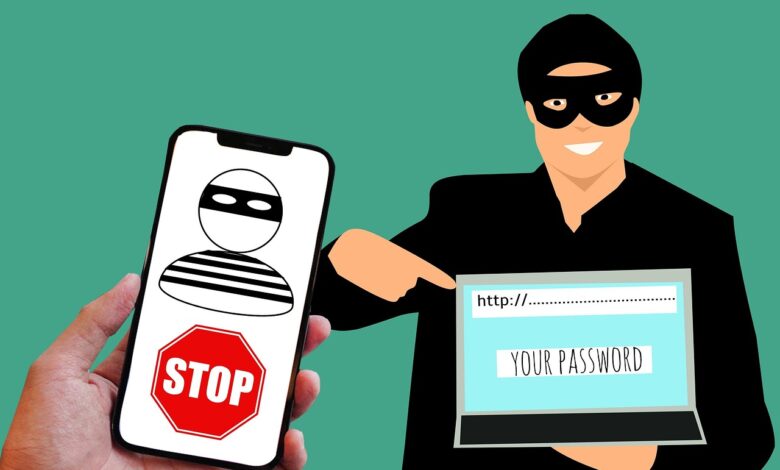
Newcastle SAPS advises residents to be vigilant of scammers. There are various types of scams, so you should know how to identify them so as not to fall victim.
COMMON TYPES OF SCAMS
Impersonation scams
Fraudsters pretend to be from a trusted organisation such as a bank or government agency. They might use fake emails (phising), text messages (smishing) or phone calls (vishing) to dupe victims.
Investment scams
Scams promising high financial returns with little to no risk, often pressuring people to act quickly. “Be cautious of opportunities that sound ‘too good to be true’,” SAPS Newcastle Corporate Communications officer Lizzy Arumugam urges.
Online and identity theft
This includes fraudulent schemes to steal personal information, such as your full name, birth date, driver’s licence number, or passwords. This information can be used to open accounts or make purchases in the victim’s name.
Fake lotteries and prize scams
This is a common tactic where a victim is told they have won a large sum of money but must first pay a fee to ‘release’ the winnings.
Online dating and romance scams
Fraudsters create fake online profiles to build a relationship with a victim over time, eventually asking for money to take care of a fabricated emergency.
Recovery scams
These scams target recent fraud victims, promising to help them recover lost money for an up-front fee.
ACTIONS YOU CAN TAKE
Be skeptical and always verify the identity of an organisation or person contacting you by independently looking up their contact information.
Strengthen your authentication by using strong, unique passwords for different accounts and enable two-factor or multi-factor authentication (MFA) whenever possible.
Secure your devices with updated software and operating systems. Use an anti-virus protection. Be careful of using public Wi-Fi for sensitive transactions.
Monitor your financial statements by regularly checking your bank- and credit card statements for any unusual or unauthorised activity.
Personal information online should be limited. Adjust privacy settings on social media and avoid posting sensitive personal details publicly.
The news provided to you in this link has been investigated and compiled by the editorial staff of the Newcastle Advertiser, a sold newspaper distributed in the Newcastle area. Please follow us on Youtube and feel free to like, comment, and subscribe. For more local news, visit our webpage, follow us on Facebook and Twitter, and follow us on our WhatsApp Channel