
Monument honours concentration camp victims in Anglo-Boer War
The memorial pays tribute to women and children who lost their lives during the war.
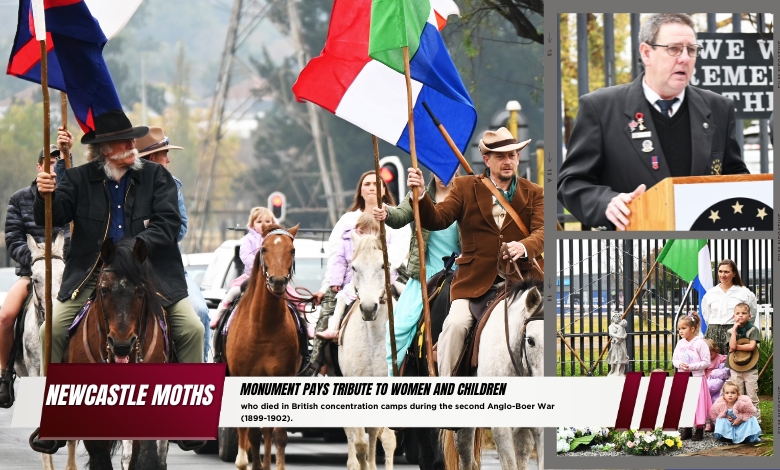
The Newcastle Moths (Memorable Order of the Tin Hats) unveiled a monument at the Monte Stanco Shellhole on Sunday (May 31) that pays tribute to the women and children who died in British concentration camps during the second Anglo-Boer War (1899-1902).
A parade through town preceded the unveiling.
Riders on horseback displayed the Voortrekker flag (also known as the Kruisvlag or Potgieter vlag) used by Boer pioneers during the Great Trek between 1836 and 1840; the flag of the Natalia Republic, a short-lived Voortrekker state established in 1839; the Vierkleur used by the South African Republic declared in 1914; and the flag of the Orange Free State, which was officially used from 1857 to 1902.
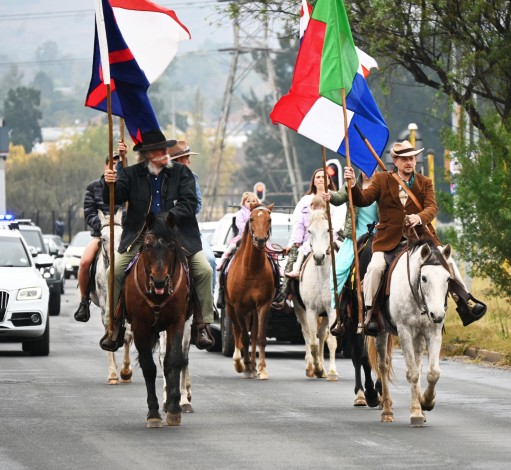
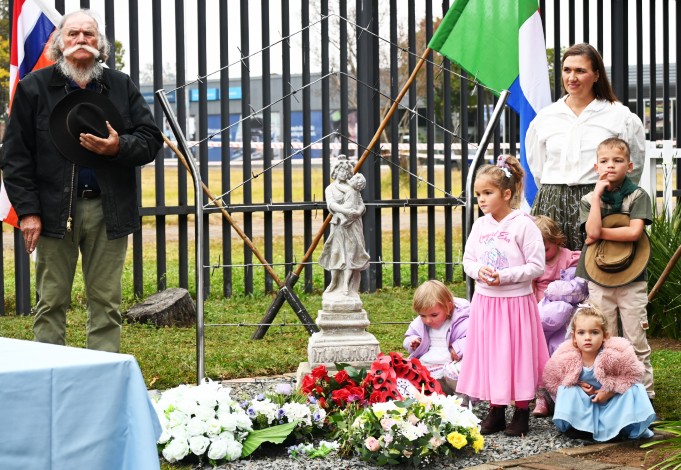
Parade marks unveiling of historic memorial
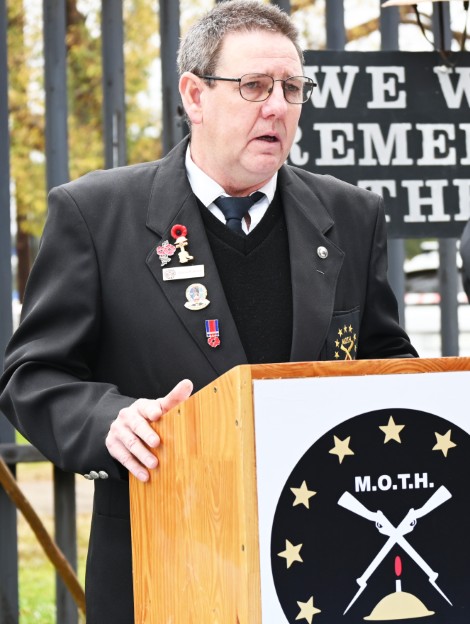
This is the first monument of its kind in KwaZulu-Natal, according to David Kükard (Deputy Old Bill). Kükard explained that he was in conversation with Moth member Gert van der Merwe when he realised that, while there are parades to commemorate the wars, there was nothing being done to remember the women and children who died in the concentration camps.
During the second Anglo-Boer War, 30,000 Boer farmhouses were burned to the ground and 150,000 Boer civilians were forced into 40 concentration camps around the country.
“With the Boer men and boys going off to fight in the war, the women and children were left on the farms. The women were responsible for food, medicine and information to the Boer forces,” explained curator of the Talana Museum, Pam McFadden.
She continued that, “The conditions in the concentration camps were appalling.
Monument highlights a tragic chapter of history
“People starved and disease spread. More than 27,000 women and children died in the camps,” added Kükard.
“Most of them were under the age of 15.”
Kükard welcomes the public to view the monument from Monday to Friday from 15:00. “It is important to know the local history,” he said.
The parade will be an annual event that will take place on the Saturday closest to May 31.
“The war officially ended and the concentration camps were closed on May 31, 1902,” explained Kükard.
Among the organisations that participated this year were the Moths, Mothwas, Rapportryers, Riemland Heritage Protection, and Aardvark Historical Relic Research.
See next week’s Northern Natal News section of the Newcastle Advertiser for more photos and details.
The news provided to you in this link has been investigated and compiled by the editorial staff of the Newcastle Advertiser, a sold newspaper distributed in the Newcastle area. Please follow us on Youtube and feel free to like, comment, and subscribe. For more local news, visit our webpage, follow us on Facebook and Twitter, and follow us on our WhatsApp Channel