KZN districts at ‘high risk’ ahead of elections, say SAPS
Police assure safety for November 4 polls.
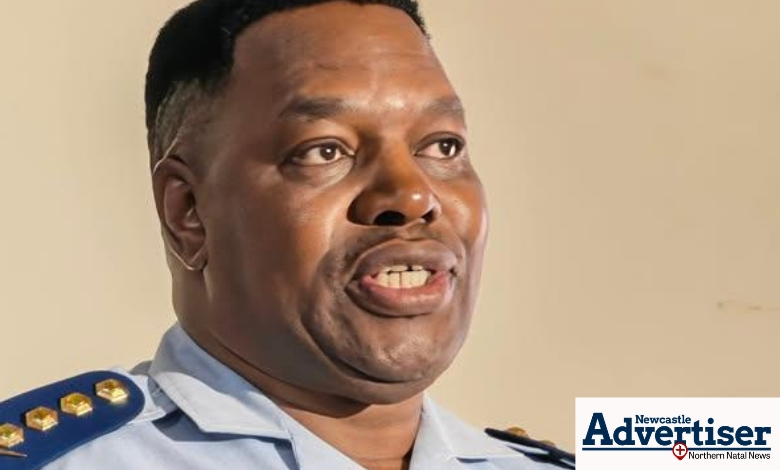
Ahead of the local government elections on November 4, national police commissioner, General Fannie Masemola, identified KwaZulu-Natal as having the highest number of high-risk voting stations, with 165 identified across the province.
Of these, 124 were in the eThekwini District, with 16 identified in uThukela District, 13 in Amajuba District, 11 in Zululand District and one in the Ugu District.
In other parts of the country, 119 high-risk voting stations were identified in Gauteng, 33 in the Western Cape, 11 in Mpumalanga and three in the Eastern Cape.
Masemola said he was confident that sufficient security measures were in place to address the identified risks, with enhanced police visibility and operational interventions where they were required.
He expressed concern, however, about attacks targeting political party supporters, party members and ward candidates.
“These acts of violence have no place in our democracy. No person should lose their life or be attacked simply because of their political affiliation or their decision to participate in the electoral process,” said Masemola.
“The SAPS will not tolerate political intolerance, intimidation or violence …We will act decisively to ensure that those responsible are brought to justice. We urge political parties to exercise tolerance and refrain from using violence to resolve political disputes. Differences must be resolved through lawful and peaceful means.”
SAPS seeks order during marches
Masemola went on to address the recent court application by the SAPS concerning marches and public demonstrations in KwaZulu-Natal.
“We have noted documents circulating on social media suggesting that the police have approached the courts to stop people from marching. This is not the intention of our application,” he explained.
“The SAPS approached the court seeking an interim order to ensure that organisers and participants comply with the law when exercising their constitutional right to demonstrate.”
According to Masemola, this application follows escalating incidents of violence, intimidation and destruction of property associated with marches in and around Durban.
“Two people have been attacked and killed, while vehicles and other property have been torched or damaged. To date, 16 vehicles have been burnt or damaged in connection with these incidents,” he reported.
“We cannot allow public demonstrations to become an opportunity for violence, intimidation and criminality. Among the measures sought through the court application is that organisers and participants comply with the applicable laws governing public gatherings. This includes refraining from carrying dangerous weapons, concealing their identities with masks or balaclavas where prohibited by law, assaulting or killing people, and damaging vehicles, buildings and other property.
“We are also seeking to ensure that marches are conducted in an orderly manner, with participants proceeding as a group along the designated route, from the agreed starting point to the intended destination. The blocking of Home Affairs offices and the obstruction of access to public facilities are also among the concerns that need to be addressed. We want to emphasise that the SAPS respects the constitutional right of every person to assemble, demonstrate and present petitions peacefully and unarmed. However, this right must be exercised within the confines of the law and cannot be used to justify violence, intimidation, destruction of property or the infringement of the rights of others. Our application was therefore not intended to prohibit lawful marches, but to ensure compliance with the law, protect lives and property, and enable the police to maintain public order.”
All hands on deck for elections
Mesemola went on to point out that election operations were running concurrently with the SAPS’s Safer Festive Season operations.
“It is all hands-on deck, with our members on the ground working to prevent crime, protect communities and ensure public safety.
“The entire election security operation was led by the SAPS, supported by elements of the South African National Defence Force (SANDF), Metro Police Departments and the State Security Agency (SSA).”
SAPS is also working together as a coordinated security cluster to ensure effective intelligence-sharing, operational coordination, adequate resource deployment and a rapid response to any incidents that may threaten safety and security.
Senior officers from SAPS Head Office were deployed to provide strategic and operational support to provincial operations and roving operational teams were deployed to provide additional support.
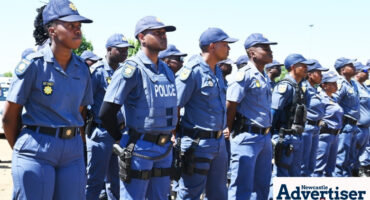
Specialised operational units including the Special Task Force, the National Intervention Unit, Tactical Response Teams, Explosives Units and Hostage Negotiators formed part of the contingency arrangements to respond to high-risk situations.
The Air Wing provided the necessary aerial support, while Public Order Police members were on standby to respond to incidents of public disorder and violence.
“We will maintain close co-ordination with the IEC and other security stakeholders to ensure that the voting, counting and results processes take place in a safe, secure and orderly environment,” said Masemola.
“We urge members of the public to cooperate with law enforcement officers and report any threats, suspicious activities or acts of violence.
“We further appeal to communities to resist being drawn into acts of violence,” he concluded.
The news provided to you in this link has been investigated and compiled by the editorial staff of the Newcastle Advertiser, a sold newspaper distributed in the Newcastle area. Please follow us on Youtube and feel free to like, comment, and subscribe. For more local news, visit our webpage, follow us on Facebook and Twitter, and request an add on our WhatsApp (082 874 5550).