
#FoodPornFriday: Kitchen wars
We have compiled a list with the pros and cons of certain kitchen items, to help you make informed choices when shopping for them in the future.
When buying kitchen appliances and cookware, we seldom consider the implications related to safety, hygiene and practicality. But sometimes, these things play a huge role in keeping a healthy kitchen.
We have compiled a list with the pros and cons of certain kitchen items, to help you make informed choices when shopping for them in the future.
Dishwasher vs. hand-washing dishes
 Dishwasher pros:
- Convenient
- Less time-consuming
- Can hold more dishes than the kitchen sink, therefore there is less refilling and wasting of water
- Cuts down on water and electricity usage, helping to save money and the environment
Dishwasher cons:
- Part of technology, so it can break and repairs can be costly
- Initial costs of the dishwasher are high
- Causes dishes to wear out after a while
Hand-washing dishes pros:
- Ensures all the crud and grease is removed from dishes, especially when the dishes have been sitting dirty for a while
- Eliminates wear and tear on dishes
Hand-washing dishes cons:
- Inconvenient
- Time-consuming
- Causes damage to skin and hands, especially when bleach is contained in washing liquid
- More detergent is consumed
- More water and electricity is used
Manual can opener vs. electric can opener


Usability:
Electric can openers don’t require you to do any of the work. The specific operation methods are going to be different on each model, but most involve placing the can in front of the opener and pressing it into a locking mechanism. You might need to press a button or hold down a lever, but the machine is going to take care of holding the can, turning it, and cutting the top off for you.
There are definitely some manual models that are very easy to use, with special gears and different blade configurations that mean you don’t have to put in as much effort as those troublesome older models. The biggest consideration here comes down to the type of cans you plan on using, since some electric can openers can’t handle heavy cans or cans with different shapes, requiring you to hold the cans in place or simply not working at all with them.
Durability:
Manual can openers definitely have a bit of an advantage in terms of durability over electric models, since they are usually made of sturdier metals.
Both manual and electric can openers can experience rust, though, which means that you need to pay special care to cleaning both types. If you plan on opening a lot of heavy cans pretty frequently, then odds are that a manual can opener is going to offer more durability over time compared to an electric unit.
Reliability:
Electric can openers can be slightly more prone to breaking and facing malfunctions compared to manual can openers. Most manual can openers, especially those made of solid metals, are going to be able to handle more use and are less likely to break while you’re in the middle of opening a can.
Electric can openers need a constant power source. This might not seem like a big deal, until you find yourself in a power outage
Pressure-cooker vs. cooking in regular pots


Pressure-cooker pros:
- Foods retain most of their nutrients and are tastier
- Saves energy
- Saves time in preparing meals
- The kitchen stays cooler
- Less cleaning is required
- Can be used to preserve food
Pressure-cooker cons:
- Thorough knowledge of using the cooker is required to avoid injury
- There may be mixing of flavours
- Foods may become undesirably soft
- Heavier to handle than most regular pots
Cooking in regular pots pros:
- Flavour preservation
- Relatively light to handle
- Some pots can be washed in a dishwasher, or easily hand washed
Cooking in regular pots cons:
- Acidic food can cause corroding of pot
- Prices of pots are quite high
- Poor heat conduction may result in hot spots at high temperatures and pots can become breakable
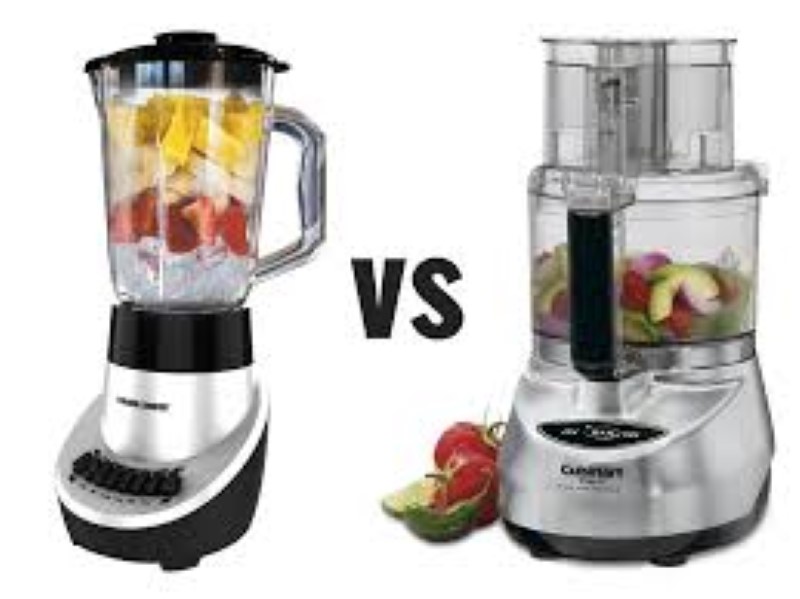
Food processor vs. blender

The blades of a blender are relatively blunt. It’s the powerful motor that gives blenders their super puréeing powers. The strength of the motor is good for crushing ice too, so if frozen refreshments are what you are after, the blender is definitely a better option.
A food processor is an efficient multi-use tool. they are good for hard foods like seeds and nuts, and are capable of doing the work of a chef’s knife. due to the size of the bowl though, the processor isn’t ideal for liquidy or loose foods as it will require multiple loads.
Plastic dish rack vs. metal dish rack


A good rack should hold up to daily usage for at least three years, but ideally five or more. For plastic models, problems with mold or discoloration usually arise over time, while with metal the problem is rust. Good mold managers have round contours and fewer, or no tight corners or crevices where water or gunk can get trapped, which also means they’re easier to clean.
Gas stove vs. electric stove
 Gas stove pros:
- More even distribution of heat on stove top
- Uses natural gas which is inexpensive, clean burning and abundantly available
- Less expensive for use than electric stove
- Cooks food faster due to flames
- Changes temperatures rapidly
Gas stove cons:
- More expensive to buy and install
- More dangerous due to possibility of gas leaks
- Emits humid heat rather than dry heat
Electric stove pros:
- Less expensive
- Simple to install
- Easier to clean
- Smooth top makes level and makes it more suitable for pots and pans
- Turns on and switches off easily with a twist of a knob
- Has more functions like additional grillers and fans
Electric stove cons:
- Slower to cool down when turned off
- Cannot work in power outages
- No open flame to make things like s’mores
Wooden chopping board vs. plastic chopping board


People assume all cutting boards are alike, and may not give much thought to size or material. If you’ve been using the same cutting board for every dish, or if you’ve simply never considered the difference between a wood or plastic board, we’re here to help you make informed choices.
Contrary to popular belief, plastic cutting boards are not automatically safer than wood.Studies have shown that wood can actually be more sanitary in the long run. People assume that because wood is a porous surface and plastic isn’t, plastic boards are more resistant to bacteria. This assumption doesn’t take into account the scars a plastic cutting board will get from daily use.
Plastic containers for left-overs vs. glass containers


Why is glass better than plastic?
Glass food storage containers have more benefits then the plastic containers, making them better choice for your needs.
1. Glass is safer than plastic
Glass is overall safer for food storage than plastic. Chemicals from plastic containers may migrate from the plastic into your food. This commonly occurs when hot food is put into plastic or during microwave heating.
Glass food storage containers don’t leach unwanted, poisonous chemicals when in contact with food. Glass is inert and non-porous natural material. Glass containers are free from any leakage and safe for using over and over again.
2. Glass is better for the earth
There are many environmental concerns associated with the production and disposal of plastics. Plastic trash is the most obvious form of pollution associated with plastic, that affects the environment. Plastics production also releases toxic chemicals into the air. Going plastic-free reduces the amount of plastic ending up in the waste stream. Once you buy a glass storage container you can use it almost indefinitely. Broken glass containers can be recycled. Recycling glass is cost-efficient and the process doesn’t compromise glass’ quality.
3. Glass holds heat better than plastic
Plastic containers can get warped in contact with hot food. Reheating food in plastic containers may cause them melt, which increases the likelihood of chemical leaching.
When you are finished with dinner you don’t have to wait for the food to fully cool before transferring leftovers to glass container. There is no need to worry about the transfer of toxic chemicals when the food is heated like with the plastic food containers.
4. Multifunctionality
Glass performs safely at different temperatures, so you can store food and heat it up in the same container. Glass containers effortlessly go from freezer to oven to table without any trouble. You can serve food in the same container that’s been stored and heated.
5. Appearance
Plastic containers look dried out and feel brittle after repeated use and dishwashing.
Glass containers are attractive and look nice on the counter, in your fridge, and on your dining table. Food also looks more appealing when placed in a glass container over a plastic one. Glass is non-porous, scratch proof and after decades of use it still looks brand new.
Storing food in clear glass makes it easy to see the content inside without removing lids. This makes it easy to manage the food in your fridge. This also helps lessen food waste, because you can check up and use leftovers before they go bad.
6. Glass is cleaner than plastic
Washing plastic containers in a dishwasher is not recommended because hot water and steam can cause plastic to release harmful chemicals.
Glass containers are very easy to clean, because non-porous surface doesn’t absorb stains, food, and germs. They can be safely washed in dishwasher with no worries of scratching or warping the surface. Washing in dishwasher, at high temperatures makes easy to sanitize them.
7. Glass doesn’t absorb smells
Plastic containers often get stained with the foods that are stored in them. Plastic also absorbs the flavors and smells of the food that can linger once the food’s gone.
Glass containers won’t absorb stains and smells of the foods you keep in them. This feature makes glass containers perfect for storing all foods including acidic food. Glass food containers have a glossy surface which helps keep food clean, fresh and tasty for long.
8. Durability
After a years use plastic containers have scratches and discoloration, and can lose their shape.
Glass food storage containers are designed to last long. The glass is more durable and won’t break down over time, like plastic.
9. Microwave heating
Plastic food containers are not safe to put in the microwave because toxic chemicals can migrate into food during microwave heating.
Glass food containers are microwave safe, unlike plastic ones. Stored in freeze in glass bowls the food is ready to be quickly microwaved for launch. We can microwave and eat the food from the same glass container.
Why is plastic better than glass?
1. Weight
Glass is heavier than plastic. Plastic containers are lightweight and can be ideal for transporting food. Plastic takes less space and is easier to carry in a backpack. Plastic is a material of choice if you want something lighter to carry around.
2. Fragility
Glass containers require more careful handling compared to the tougher plastic food packaging. Glass is essentially melted sand and it is fragile and easily breakable when knocked accidentally or dropped.on the floor. Broken glass can injure a person or leave a mess behind. That may be a concern if you have kids in your family.
3. Price
Glass containers are usually more expensive than plastic. However, glass containers last longer and don’t need to be replaced as often as plastic ones. Opting for glass food containers, actually saves you money in the long run.