
Know you plastics to avoid health issues
Many people are unaware that lots of plastics, which are used to manufacture everything from water bottles to foam drinking cups, are potentially deadly for both themselves and the planet.
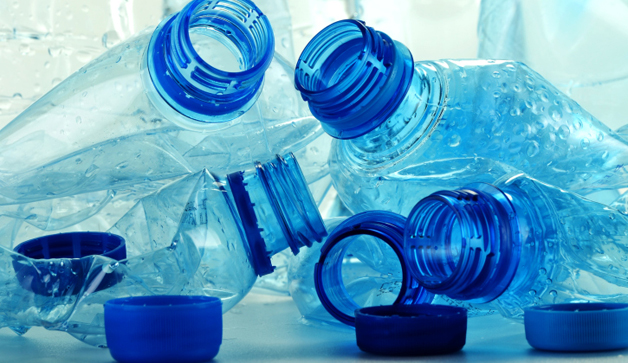
If you feel pleased with yourself for drinking water from a plastic bottle, which you bought a month ago, thereby keeping healthy and saving the planet, you might be making a huge mistake.
What is the purpose of having healthy habits and drinking more water, if little thought is given to the storage methods that are contaminating the liquids that you consume?
Many people are unaware that lots of plastics, which are used to manufacture everything from water bottles to foam drinking cups, are potentially deadly for both themselves and the planet.
Additives and softeners used in some types of plastic have never been tested for safety, while other ingredients have been linked to reproductive problems, diabetes, cancers and other diseases.
This is a scary thought, considering how many people tend to re-use plastic bottles after purchasing bottled water and don’t realise that toxins could be seeping into the water with every refill.
But it is not too late to save yourself from the dangers. Before buying products, simply check bottles and containers for plastic grade markers.
Doing this, you can avoid possible negative side-effects simply by making smarter lifestyle choices.
Another smart decision is investing in a SodaStream machine that allows you to carbonate water at home.
Here’s an easy guide to seven plastic grades:
1. Polyethylene Terephthalate (PET):
This releases endocrine-disrupting chemicals like acetaldehyde over time, as well as toxic antimony.
Uses: This form of plastic is commonly made into polyester fibres, also used in bottles for water or soda. You can only use these products once , after which it is advisable to drop it off at your nearest recycling facility.
2. Polyethylene – high density (PE-HD):
Additives and softeners used in this plastic have never been tested for safety.
Uses: Milk and detergent bottle caps, food storage containers, plastic bags and even plastic surgery.
3. Polyvinylchloride (PVC):
This is the most toxic plastic, leaching phthalates, dioxins and more. It has been linked to reproductive problems, organ toxicity and even cancers.
Uses: Water pipes, siding, signs, insulation, clothing, furniture, pleather, shower curtains and even toys.
Always look at the list of materials when buying toys, and keep a watchful eye on what youngsters put in their mouths. A toy may not look harmful but the effects of the toxin could be and it could have lasting effects on your child’s health.
4. Polyethylene – low density (PE-LD):
While this is a relatively non-reactive chemical, these plastics degrade very slowly and present a burden to the environment for centuries.
Uses: Laminates, disk drives, snap-on lids, six-pack rings, playground slides and plastic wraps.
5. Polypropylene (PP):
Additives and softeners used in this plastic have never been tested for safety.
Uses: Packaging textiles, carpets, stationary, laboratory and medical equipment, moulded shapes and nappies.
6. Polystyrene (PS):
These plastics leach extremely toxic flame retardants, as the chemical additives make products less flammable, over their entire lifespan.
Uses: Packaging foam drink cups, insulation, rigid shapes like DVD cases or frames, and for packing peanuts.
7. Bisphenol A and others (O):
Bisphenol A mimics the effects of the hormone oestrogen. It is linked to infertility and developmental damage.
Uses: A catch-all category for all other plastic types, includes bio-plastics and multi-layered resins. Toxic bisphenol A may also be used in other plastics.
Despite the list covering a large amounts of pitfalls when using everyday plastic products, there is solutions.
Be cautious when purchasing products, while also considering the recycling codes and the number of times plastic can be used before dropping it off at a recycling facility.
For example, Grade 1 plastic bottles should be discarded after first use.
Another consideration is changing to a SodaStream machine which allows you to carbonate water at home.
It’s a quick, easy and cost-effective way to transform ordinary tap water into sparkling water for as little as R3.33 per litre. And you can choose from 15 delicious flavours to create carbonated soft drinks as well as innovative cocktails, mocktails and even an energy drink.
SodaStream is leading the revolution against wasteful and polluting bottled and canned beverages, as it’s an effective solution for people who want to reduce their environmental footprints, while still enjoying great tastes.
The carbonating bottle is free of grade 7 Bisphenol-A, the chemical used to produce reusable plastic products.
The carbonating machines also use neither electricity nor batteries, only aluminum carbonators that can be returned and re-used.
For more information and recipes visit https://www.sodastream.co.za/