
Childhood diabetes, no laughing matter
Girls, overweight children, or youngsters who have a family history of diabetes are more prone to Type 2 diabetes.
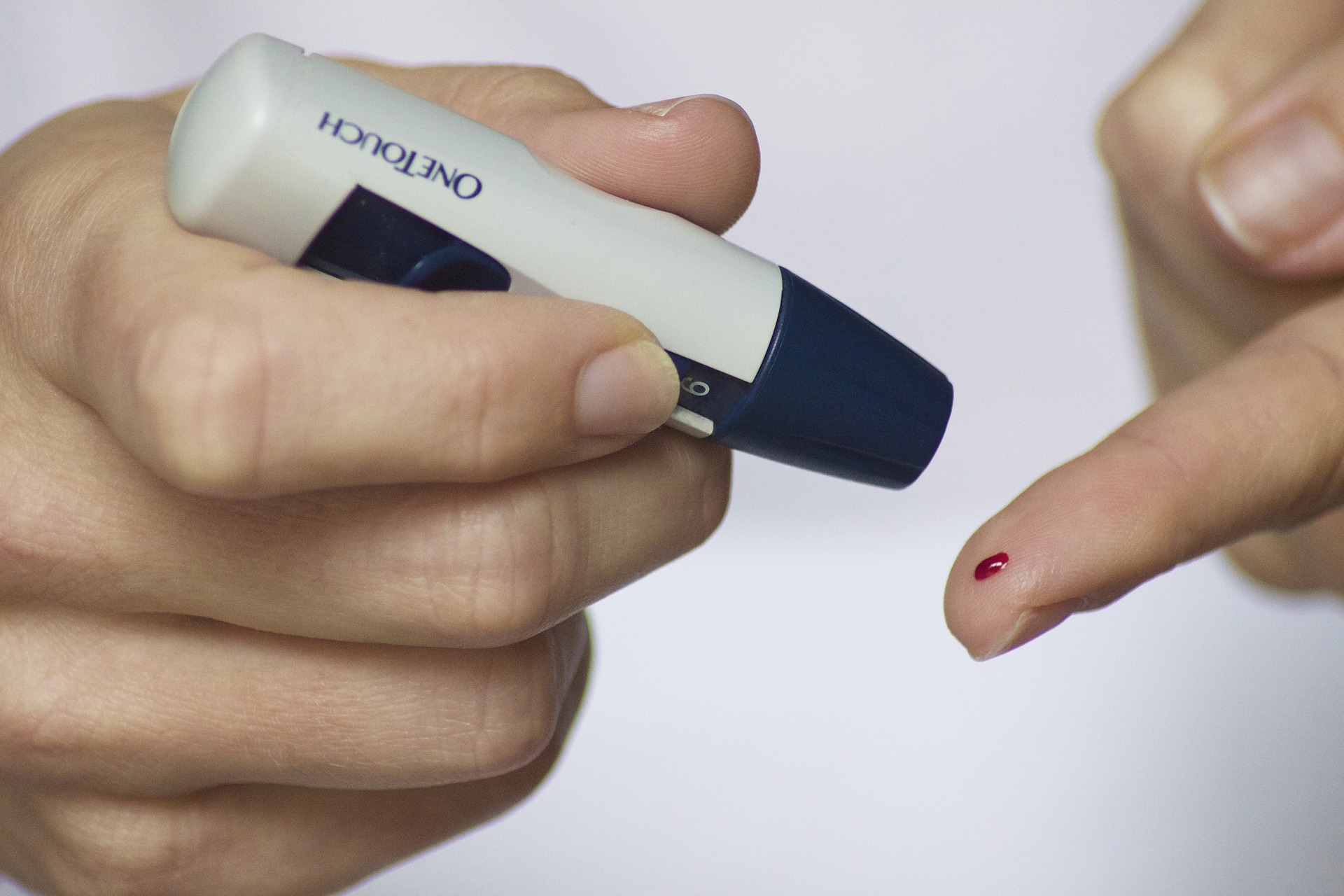
Diabetes is a disease which can affect anyone, regardless of age.
While some might associate it with adults, childhood diabetes is real and not to be ignored.
As with adults, children can suffer from both Type 1 and Type 2 diabetes.
Type 1 diabetes used to be known as juvenile-diabetes or insulin-dependent diabetes and is when your child’s body no longer produces an insulin, which is important for their survival.
Insulin is a hormone that helps glucose,or sugar, get into your cells to give them energy. Without insulin, too much sugar stays in the blood.
Requiring constant care, children with this form of diabetes need to learn how to give injections, count carbohydrates and monitor blood sugar.
Type 1 diabetes can develop rapidly, but there are signs and symptoms which can alert you of its start.
Here are six symptoms of Type 1 diabetes:
1. Increased thirst and frequent urination.
Excess sugar building up in a child’s bloodstream pulls fluid from tissues, which results in the the child drinking and urinating more.
2. Extreme hunger
Without enough insulin to move sugar into your child’s cells, your child’s muscles and organs lack energy. This triggers intense hunger.
3. Weight loss
Despite eating more, your child may lose weight. This is because without the energy sugar supplies, muscle tissues and fat stores simply shrink.
4. Fatigue
The lack of sugar in your child’s cells might make them lethargic and tired.
5. Fruity-smelling breath
Burning fat instead of sugar produces certain substances (ketones) that can cause a fruity breath odour.
6. Blurred vision
If your child’s blood sugar is too high, fluid may be pulled from the lenses of their eyes. Your child might be unable to focus clearly.
In type 2 diabetes, the cells in your child’s body don’t respond to the insulin, and glucose builds up in her bloodstream.
This is called insulin resistance. Eventually, the sugar levels in her body get too high for it to handle which could lead to other conditions, such as heart disease, blindness, and kidney failure.
Girls, overweight children, or youngsters who have a family history of diabetes are more prone to Type 2 diabetes.
Unlike Type 1 diabetes, Type 2 takes a bit longer to notice.
However, there are tell-tale symptoms which can alert parents their child might have Type 2 diabetes.
These symptoms include:
1. Unexplained weight loss
2. Hungry and thirsty a lot.
3. Dry mouth
4. Urinating a lot
5. Fatigue
6. Blurred vision
7. Heavy breathing
8. Itchy skin
9. Numbness or tingling in the hands or feet
If your child shows any of the symptoms of Type 1 or Type 2 diabetes, it is of the utmost importance to get them to the doctor as soon as possible.