
Local newsNews
What’s happening in your wetland
Wetlands in South Africa cover 2.4% of the country's surface, but 48% of wetland ecosystem types are critically endangered. As a result, the country has lost approximately 50% of its original wetland area.
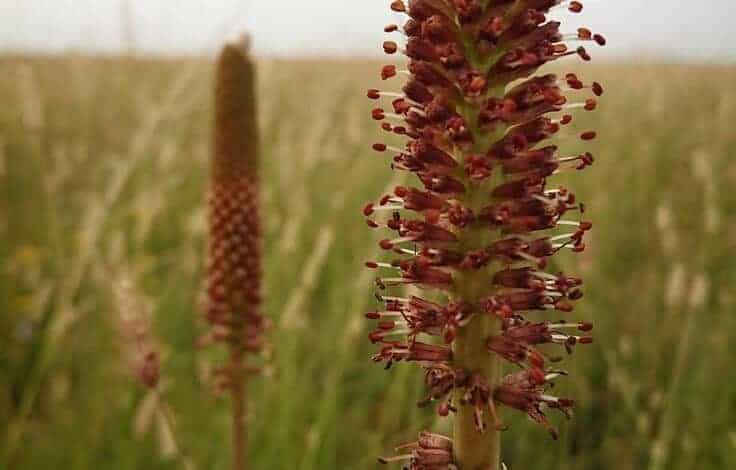
One of thé most peculiar and special wetland plants found to date in our area is Kniphofia Typhoides – the bullrush poker. It is on the red list and endangered – sadly due to human activities, but nonetheless this plant can be a prime example and candidate to showcase why our wetlands need to be protected.
Kniphofia species are better known as red hot pokers, which we see light up gardens around Parys with vivid displays of orange and yellow spikes
every autumn. Those, however, is not at all native to the area.
Hopefully this Kniphofia can be reintroduced to the wetland in the near future.
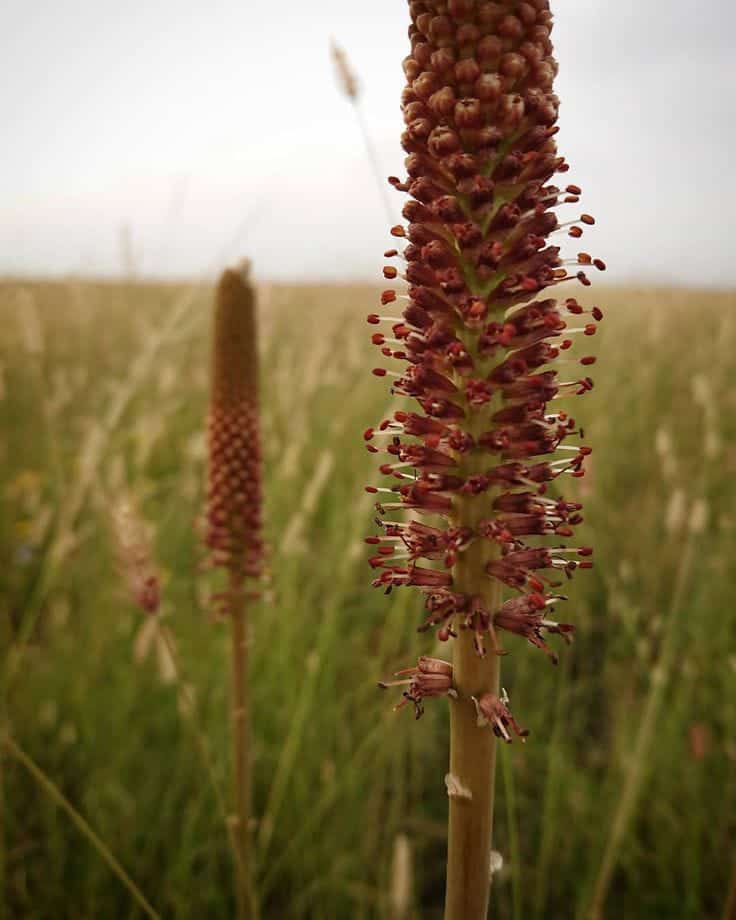
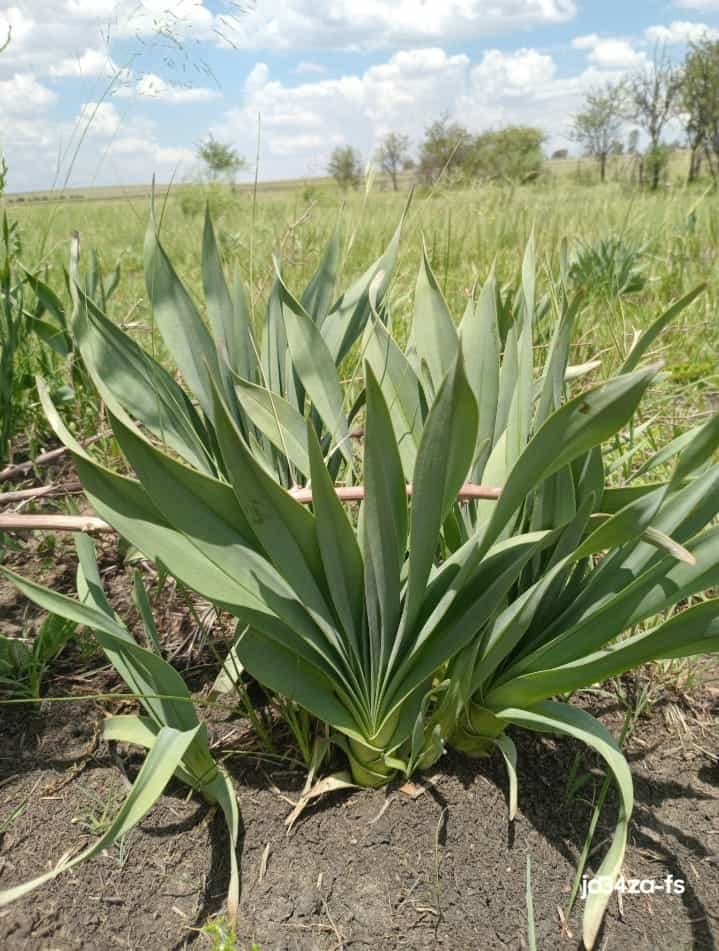
(Information and photos with credit to Danie Venter and the Parys Wetland Park WhatsApp group.)
- An initiative to rehabilitate the neglected natural wetland area in the center of Parys, to transform the underutilized area into a sustainable wetland ecosystem that will be accessible and safe for all communities, is already underway, and the first phase of the project will be completed within the next three years.
- The wetland offers enormous tourism potential with cross-country and cycling routes being developed here, and will also be used by schools as a conservation and educational site.
- The wetland area stretches from Tumahole down to the bottom of the Mimosa Gardens, and starts at a natural fountain behind the Viva Filling Station in Parys’ industrial area, says Leida Schuman, one of the volunteers involved in the project. She explains that the wetland is also a main pedestrian route for people walking daily between Tumahole, Schonkenville and Parys. It connects schools, the industrial area of Parys and residential areas.
At Caxton, every story is written by humans. We use AI only to perform quality checks - never to generate the news. Happy reading!