
Almost half of SA’s wetlands critically endangered
More than 30% of the world's wetlands have been destroyed by human activity over the past 50 years.
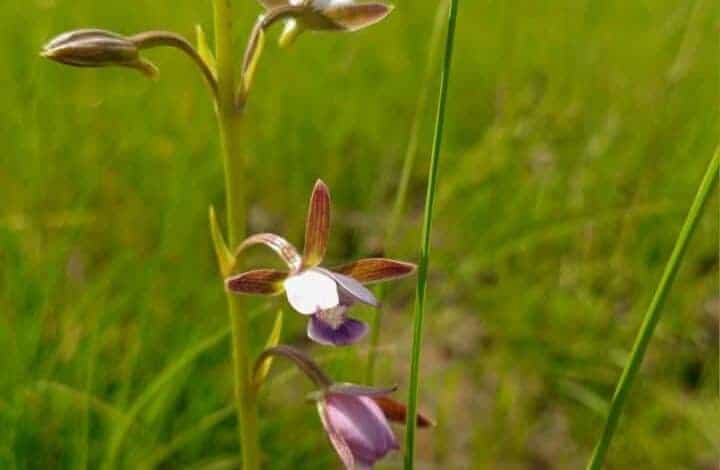
With World Wetlands Day celebrated on February 2, the focus is once again on protecting wetlands for our future.
Celebrating World Wetlands Day reminds us that wetlands are not only crucial for biodiversity, but also play important roles in our communities, industries, and cultural heritage.
More than 30% of the world’s wetlands have been destroyed by human activity over the past 50 years.
An initiative to rehabilitate the neglected natural wetland area in the center of Parys, to transform the underutilised area into a sustainable wetland ecosystem that will be accessible and safe for all communities, is underway, and the first phase of the project will be completed within the next three years.
The wetland offers enormous tourism potential with cross-country and cycling routes developed here, as well as for bird watching, those who want to have picnics and outings in a beautiful natural setting, to participate in creative and conservation projects, and for learners as a conservation and educational site.
The wetland area stretches from Tumahole down to the bottom of the Mimosa Gardens and starts at a natural fountain behind the Viva Filling Station in Parys’ industrial area.
This area has been polluted over the years by people dumping household waste and building rubble here, as well as invasive plants and sewage pollution.
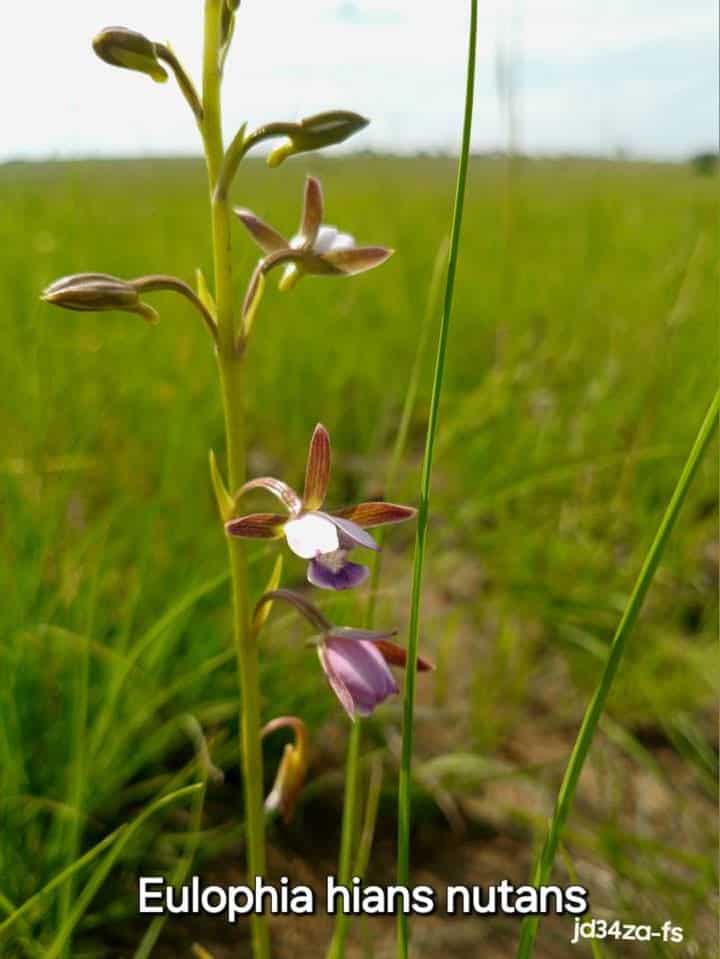
Some sadly even harvest protected plants in the wetland area.
Wetlands in South Africa
Wetlands make up only 2.4% of the country’s area. South Africa has lost approximately 50% of the original wetland area. Approximately 300 000 wetlands remain. Of the 791 wetland ecosystem types in South Africa, 48% are critically endangered, 12% are endangered, 5% are vulnerable and 35% are least threatened, making wetlands the most threatened ecosystems of all in South Africa.
Over 70% of South Africa’s wetland ecosystem types have no protection and only 11% are well-protected.
An alarming fact is that 90% of the world’s wetlands have been degraded since the 1700s, and we are losing wetlands three times faster than forests. Yet, wetlands are critically important ecosystems that contribute to biodiversity, climate mitigation and adaptation, freshwater availability, world economies, and more.
It is therefore urgent that we raise national and global awareness about wetlands.
The importance of wetlands
Wetlands are high-value ecosystems that provide many ecosystem services. They clean and store water and serve as a reservoir and buffer during droughts and floods. They provide unique habitats for floral and faunal diversity – many of which are only found in specific wetland habitats.
Wetlands and their catchment areas are crucial ecological infrastructure for water security, but the benefits of some of these ecosystems are currently threatened by their poor ecological benefits.
They are an accessible green space in many communities that offer socio-economic and recreational benefits.
On the INaturalist app, everyone can play
Parys Wetland already has 288 identified plant species listed on the INaturalist App thanks to Danie Venter, and a bird list started by Galeboe Modisipane.