#StampoutStigma for International Epilepsy Week
Epilepsy is a neurological disorder. Seizures are caused by a temporary change in the way the brain cells work.
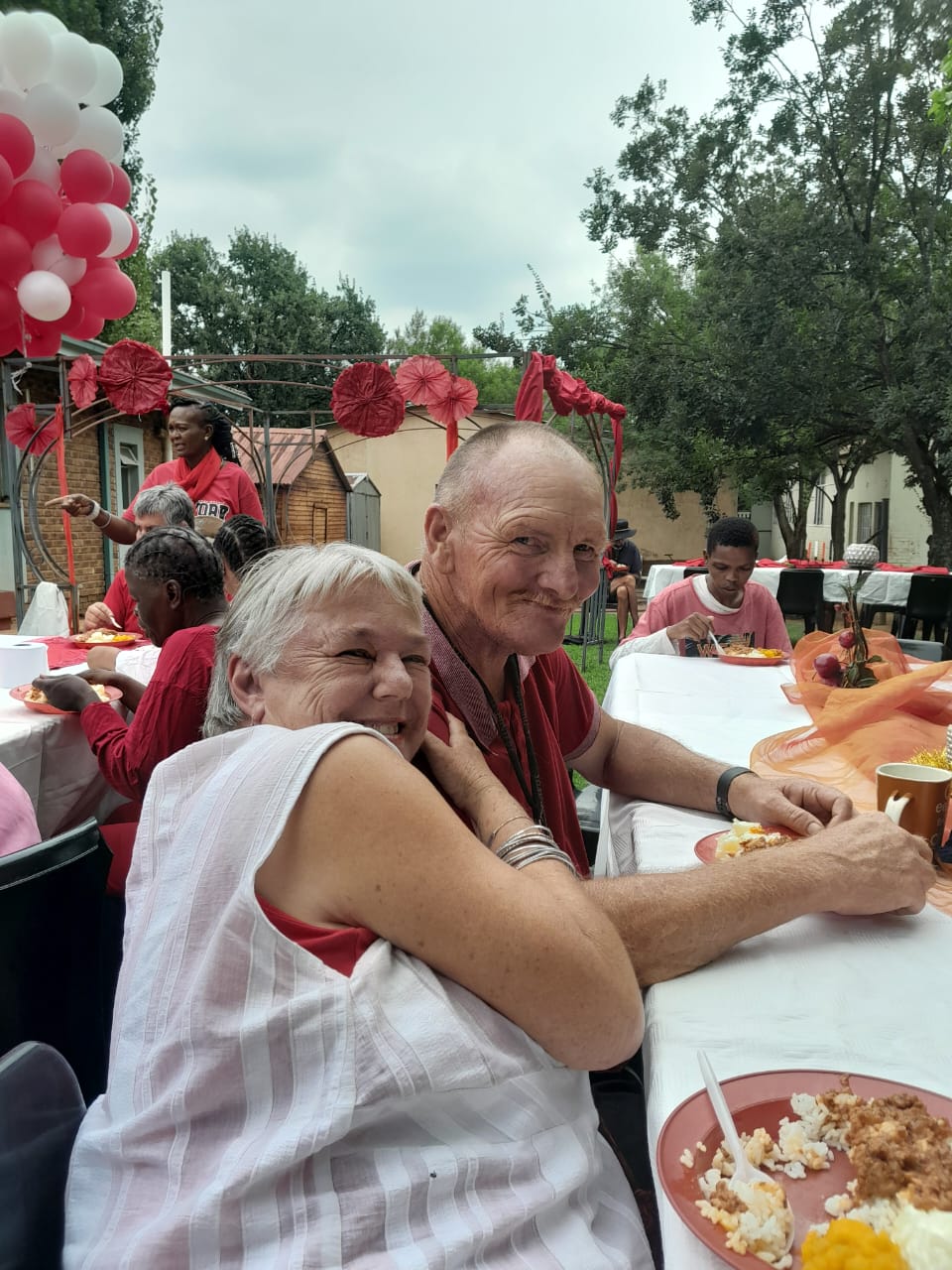
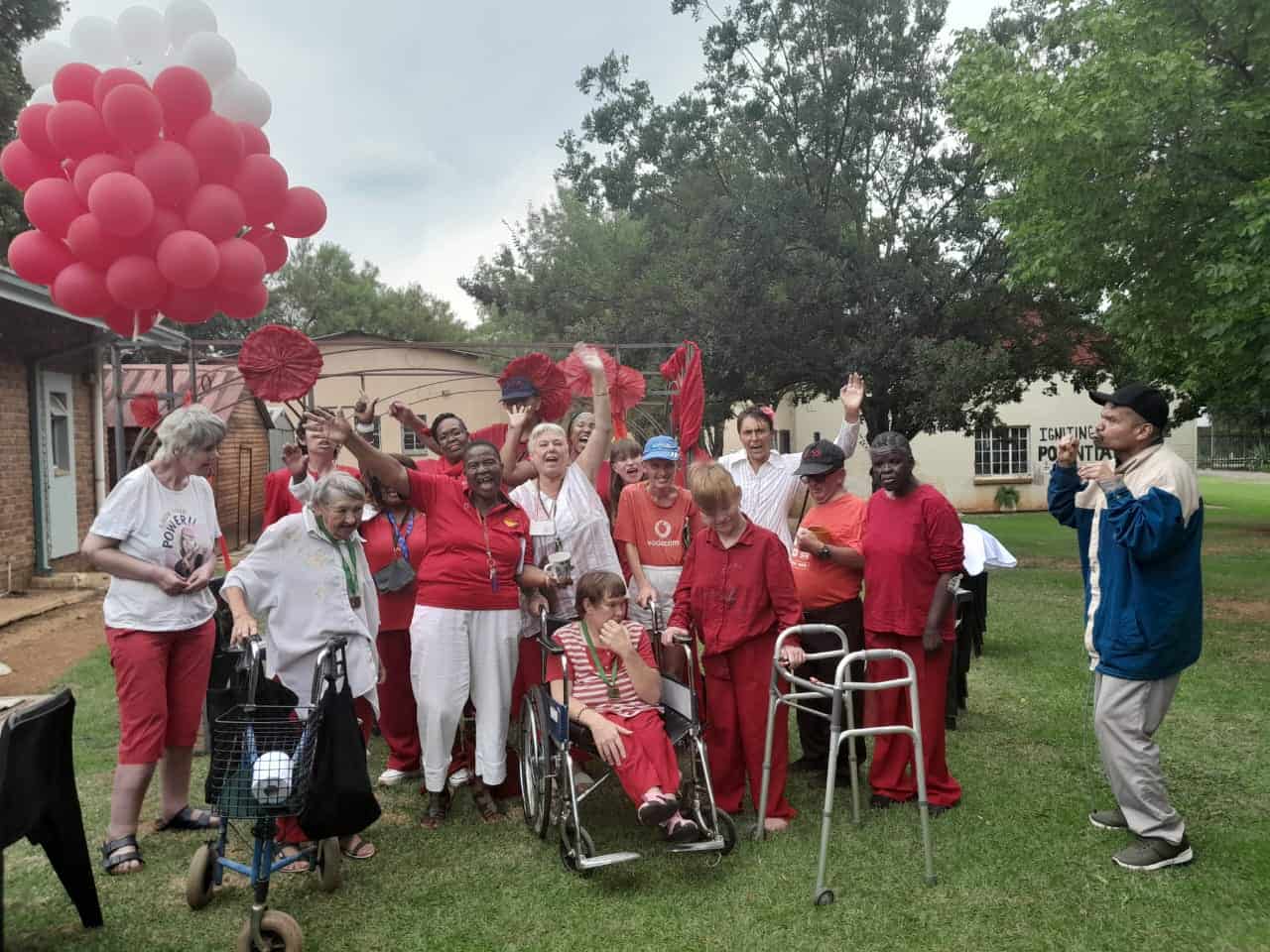
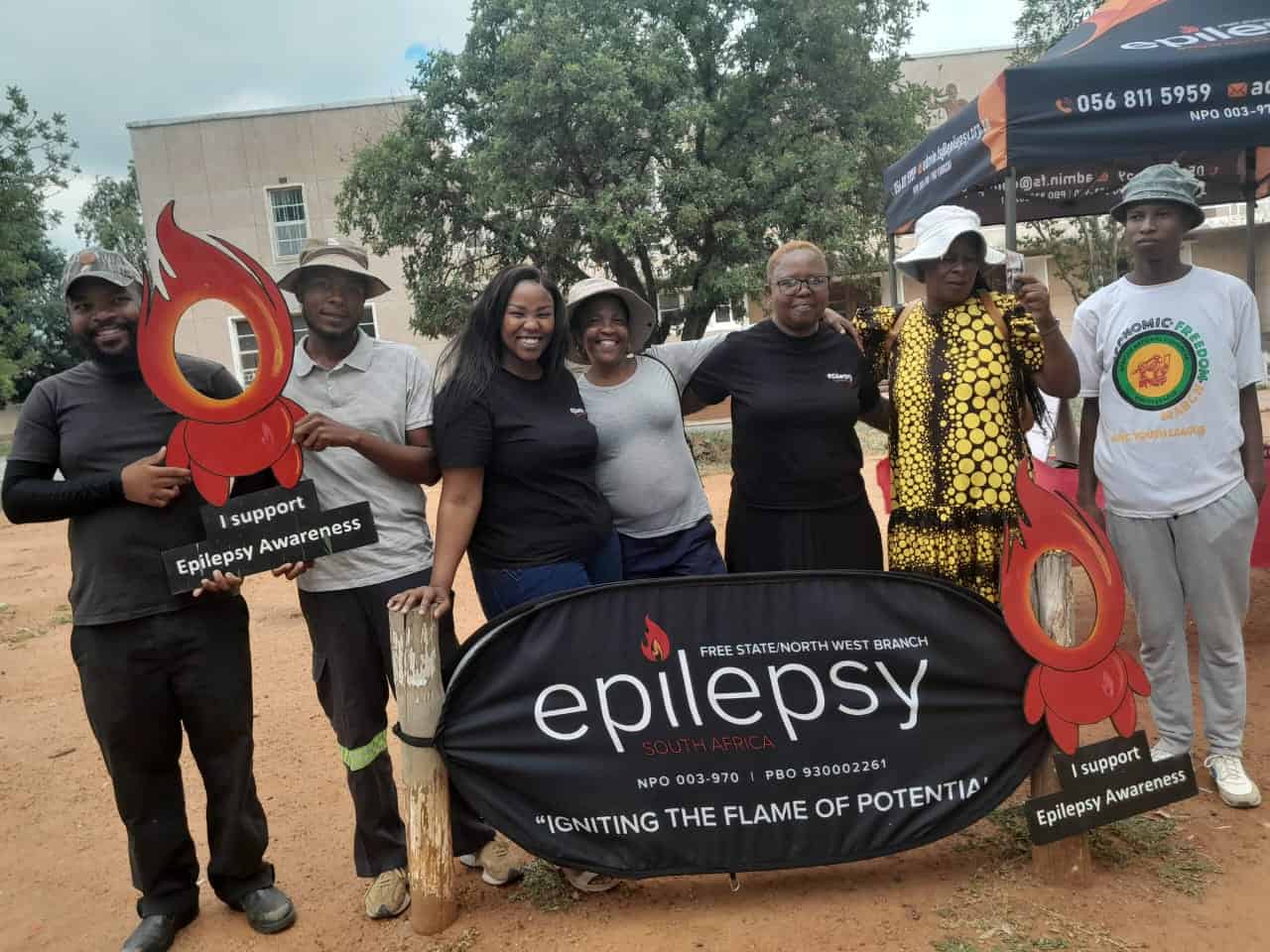
A colourful celebration of National Epilepsy Week (February 10-16) was seen the past week as part of National Epilepsy Month, celebrated anually during February.
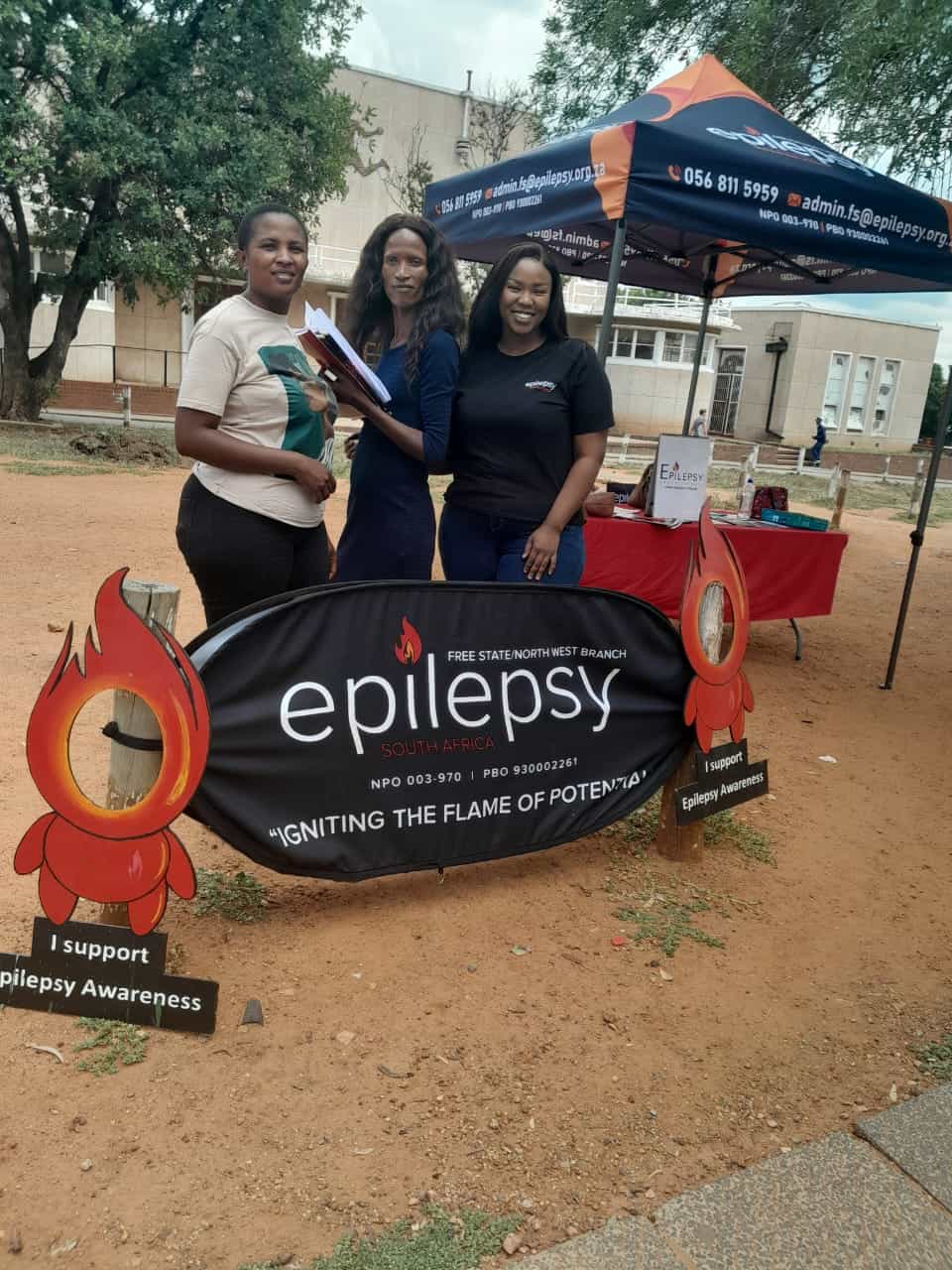
Personnel of the Epilepsy SA Free State/Northwest branch visited five clinics in Parys and Tumahole as well as the area in front of the town hall, giving presentations and answering questions to create awareness on epilepsy. The centre’s director also joined in a mayoral event held for the disabled and those with neorological conditions in Mokwallo, Vredefort, while Valentine’s Day was celebrated with a special lunch
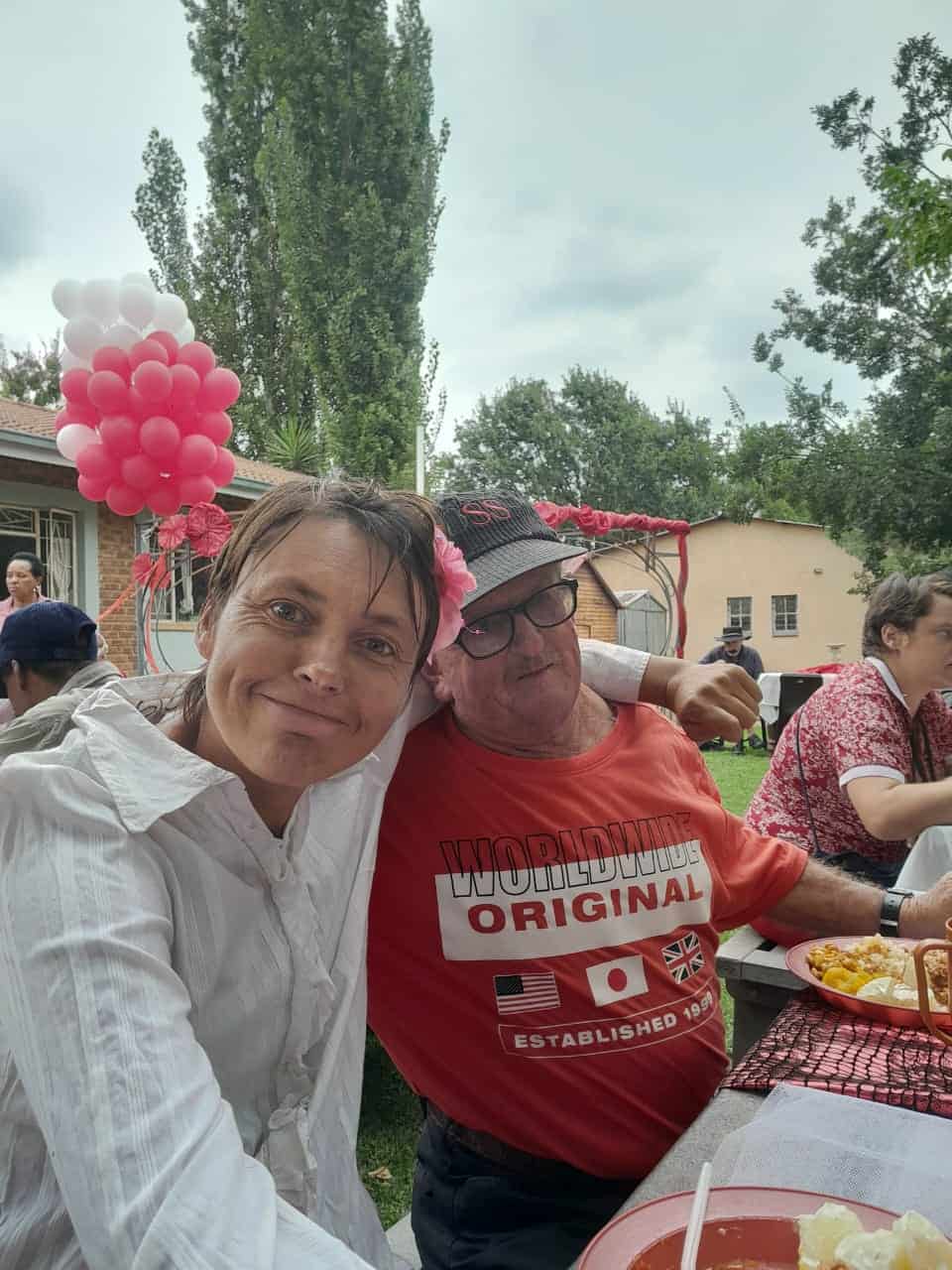
for residents at the centre. Residents on Friday night also took part in the Rotary Fun Walk and picnic in celebration of Valentine’s Day, at Vaal de Grace. According to the centre’s public relations officer, Lebogang Lofafa, a special church service is expected to take place at the St Mary Anglican Church in Tumahole, next week.
What is International Epilepsy Day all about?
International Epilepsy Day is a joint initiative of the International Bureau for Epilepsy (IBE) and the International League Against Epilepsy (ILAE) and was celebrated this year on February 10 in more than 120 countries worldwide. It highlights the problems faced by persons with epilepsy, their families and carers, but also celebrates the achievements of persons with epilepsy. In South Africa this is followed by National Epilepsy Week. The theme for this year was #StampOutStigma.


What is epilepsy?
Epilepsy is a neurological disorder. Seizures are caused by a temporary change in the way the brain cells work. The brain consists of a vast network of nerve cells, called neurons. Billions of electrical messages are fired between these cells, controlling what we think, feel and do, etc.
The body has its own inbuilt balancing mechanisms, which ensure that messages usually travel between cells in an orderly manner. Sometimes, an upset in the brain chemistry causes messages to get scrambled. When this happens, the neurons fire off faster than usual or in bursts. This disturbed activity triggers seizures.
Who can get epilepsy?
Anyone can develop epilepsy at any stage of their lives regardless of race, sex, age, education, economic situation or geographic location.
What should one do if someone has a seizure?
* Remain calm and be reassuring. The person may be unaware of the seizure.
* Time how long the seizure lasts, but remember that a seizure cannot be stopped.
* Protect the person from injury. Cushion the head. Do not restrict movement or put anything into the person’s mouth. Loosen any tight clothing and remove glasses (if possible).
* Help breathing by putting the person on his/her side in the first aid recovery position. Stay with him/her until fully recovered.
* Remove harmful objects and (if possible) guide the person away from danger.
* After the seizure talk quietly to reassure him/her until fully recovered, bearing in mind that the person may be confused.
* Call an ambulance if the if the seizure lasts longer than six minutes.