A call for responsible care of baby ducks
Wild animals need the care of trained specialists who are qualified to rehabilitate them properly.
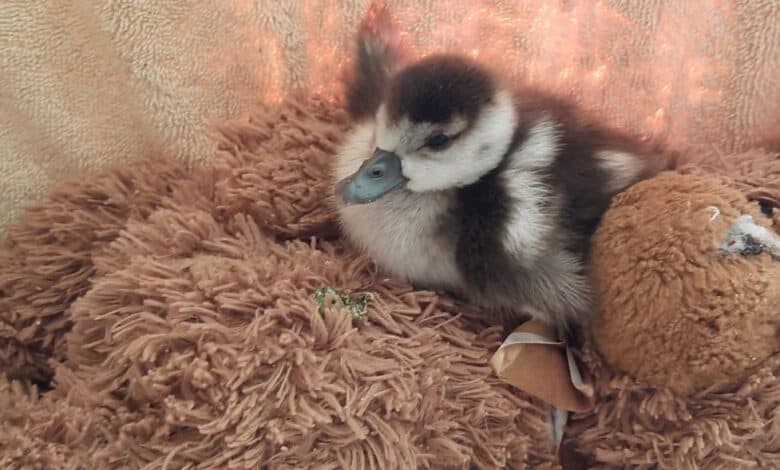
As winter sets in and temperatures drop in Parys, many residents find baby ducks separated from their parents. These young birds are especially vulnerable during this time and need immediate help from trained specialists.
South Africa is home to 18 species of ducks, and Parys hosts 13 of these species, including the Egyptian Goose, Yellow-billed Duck, African Black Duck, and Mallard.
After hatching, ducklings leave the nest within six hours. This happens because they are precocial, meaning they can move and eat on their own soon after hatching. Despite their early independence, ducklings cannot regulate their body temperature, and they can fall into shock if left out in the cold without their parents.
Reports of lost ducklings are on the rise. If you find a duckling, contact a trained specialist immediately.
Remember, do not feed or give them water. The priority is to keep the duckling warm. Use a heated beanbag or warm water bottle. Covering them with a blanket won’t suffice.
If you cannot get the duckling to a rehabber at once, focus on keeping them warm until you can.
A duckling will not die from starvation if they are not fed within the first 24 hours. If the duckling dies, it is most likely due to injury or shock, not a lack of food.
If the duckling appears sick or injured, take them to a veterinarian before contacting a rehabilitation specialist.
Contact numbers for local rehabbers:
• Marisa: 064 963 5386
• Elizma: 082 320 3192
• South African Wildlife Rehabilitation Centre: Judy (CEO & Clinic Manager) – 073 112 1131
Raising a wild duckling is not easy. Ducklings grow quickly on the correct food based on their natural diet, reaching 50% of their adult size in just four weeks. They start flying at roughly three months old, but don’t become fully independent until they’re around six months old. Raising a duckling requires long-term commitment and specialised knowledge, which most people simply do not have.
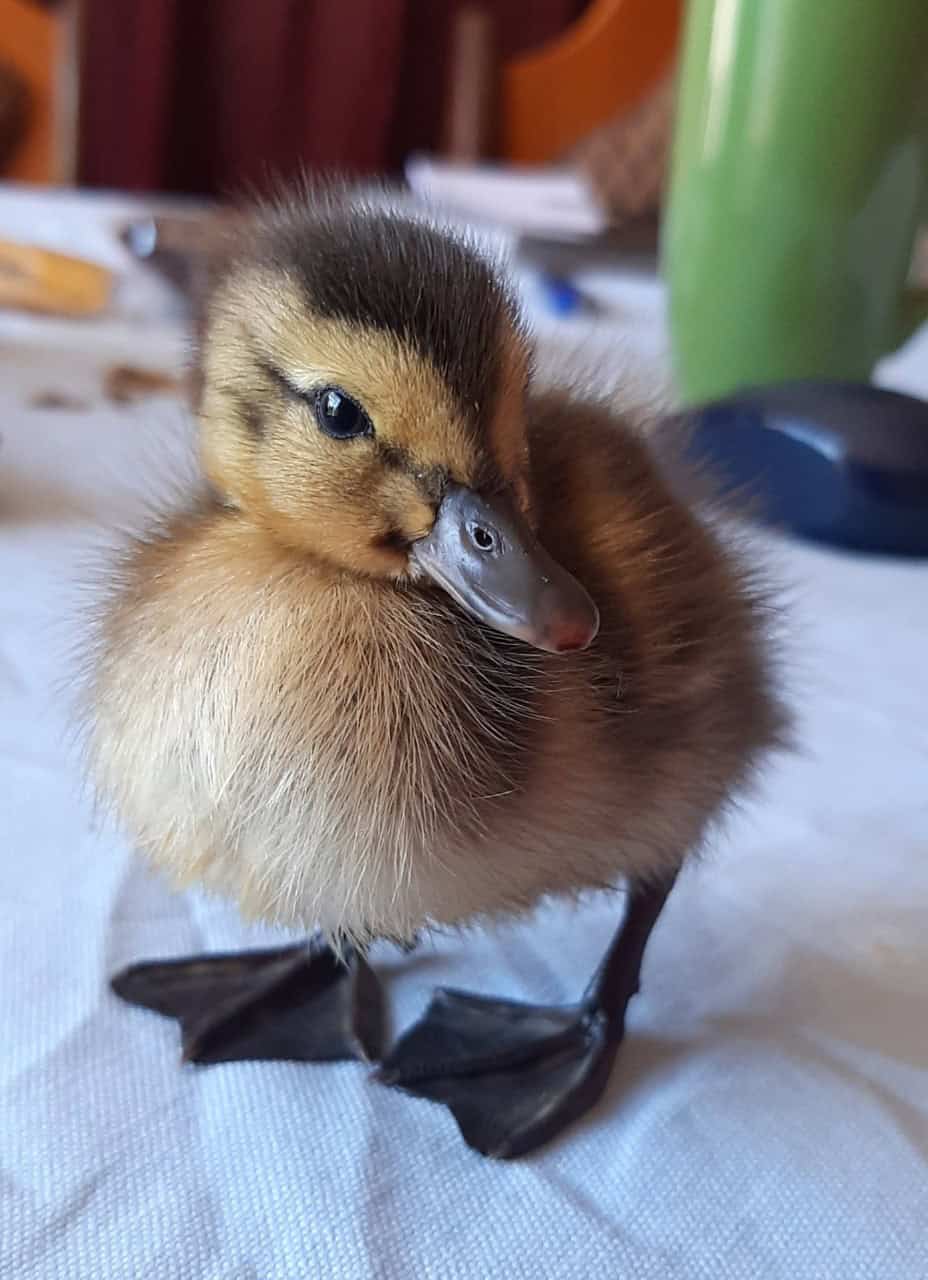
When you find a duckling, the goal is to give them a chance to thrive in the wild, not to raise them as a pet. By getting the duckling to a rehabber, you give them the best chance of survival and eventual release back into their natural environment. As winter continues, the community must act responsibly and ensure baby ducks get the care they need.
Your prompt action can make all the difference to their survival.
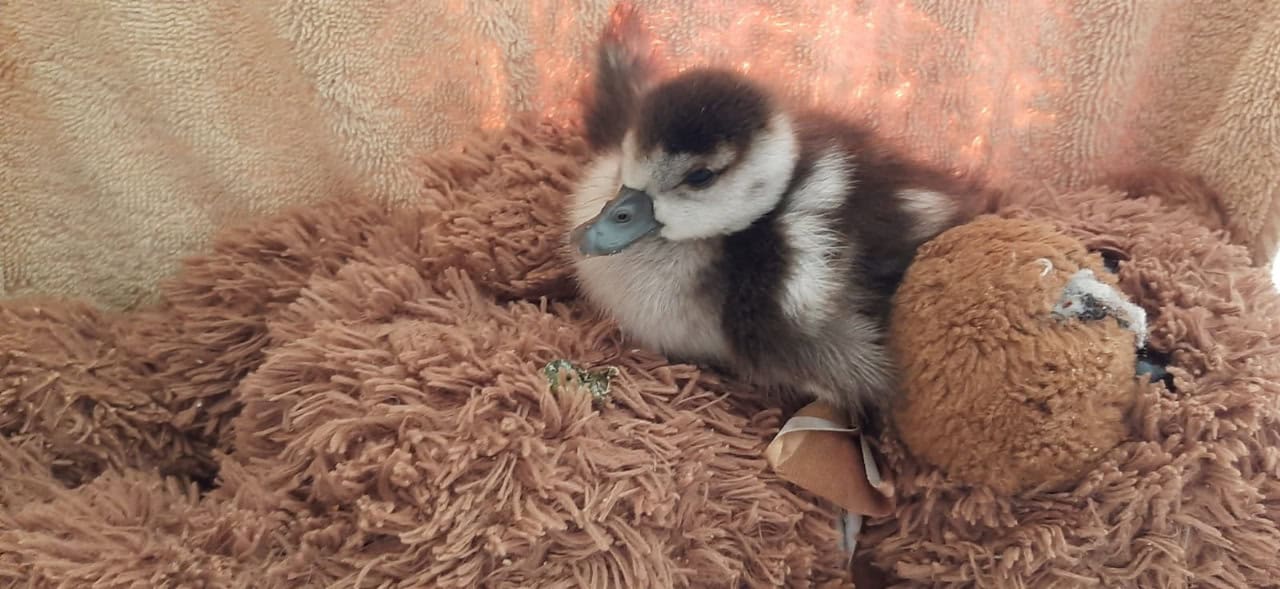
Anyone who loves birds and birding is welcome to join the Feathers Bird Club and contribute to the initiatives and activities they offer.
The next public meeting is on June 26 at 18:00 at Sally Martin Park in Parys. Interested parties can contact Martin Wolmarans (082 851 2121), Marisa Louw (064 963 5386), or Tertia Pretorius (083 287 7470) for more information.