Why the need to conserve wetlands
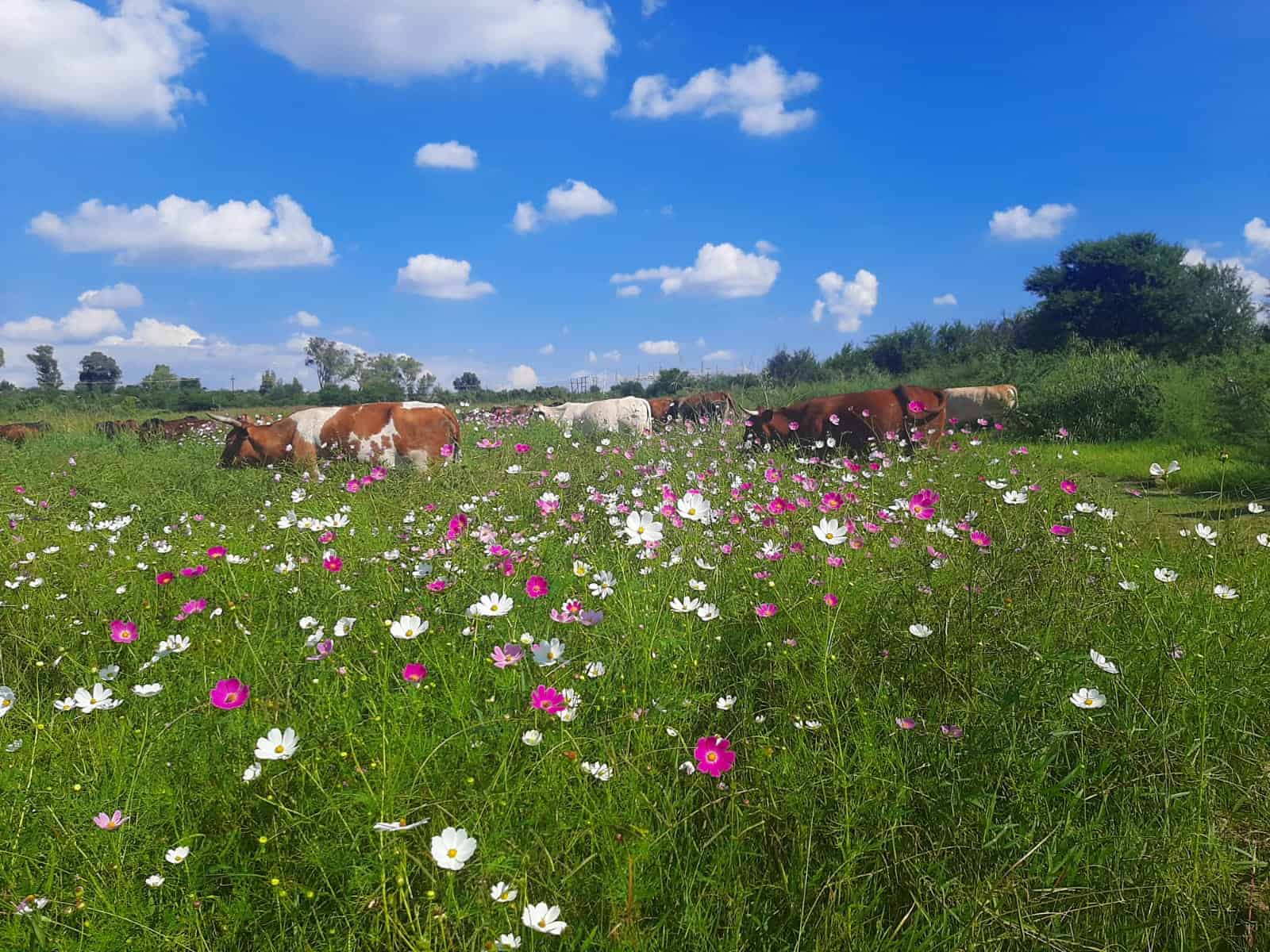
Wetlands are important because they help filter water, prevent flooding, and provide a home for many different animals, especially birds.
Wetlands in South Africa cover 2.4% of the country’s surface, but 48% of wetland ecosystem types are critically endangered. As a result, the country has lost approximately 50% of its original wetland area.
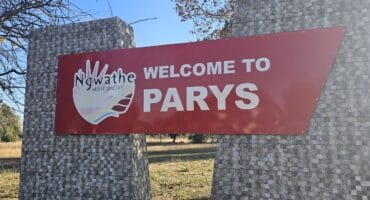
An initiative to rehabilitate the neglected natural wetland area in the centre of Parys, to transform the underutilised area into a sustainable wetland ecosystem that will be accessible and safe for all communities, is already underway, and the first phase of the project will be completed within the next three years.
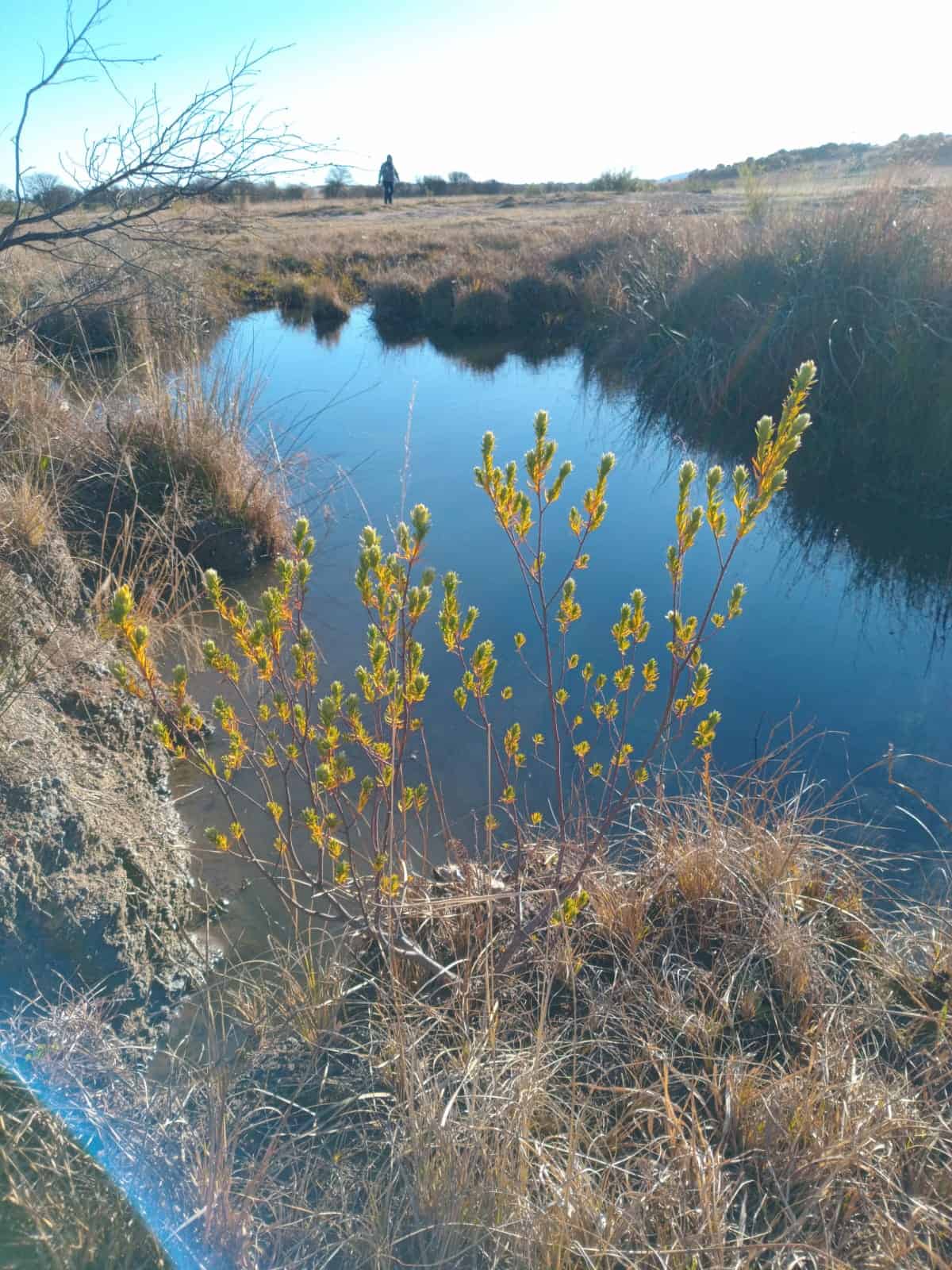
“The Parys Wetland area stretches from Tumahole down to the bottom of the Mimosa Gardens, and starts at a natural fountain behind the Viva Filling Station in Parys’ industrial area,” confirms Leida Schuman, one of the volunteers involved in the project.
She explains that the wetland is also a main pedestrian route for people walking daily between Tumahole, Schonkenville and Parys. It connects schools, the industrial area of Parys and residential areas.
What is planned for the rehabilitation of the Parys wetland area?
* A safe, clean and beautiful pedestrian route for workers, scholars and people who like to walk for exercise / time in nature
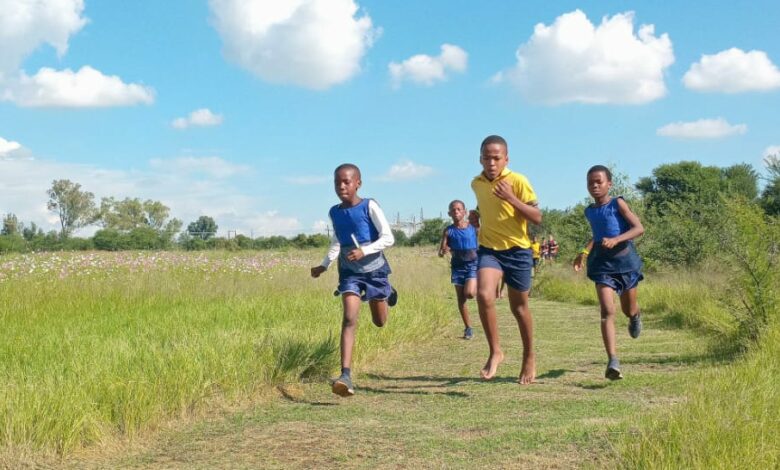
* An area where all schools can participate in cross-country and mountain biking events
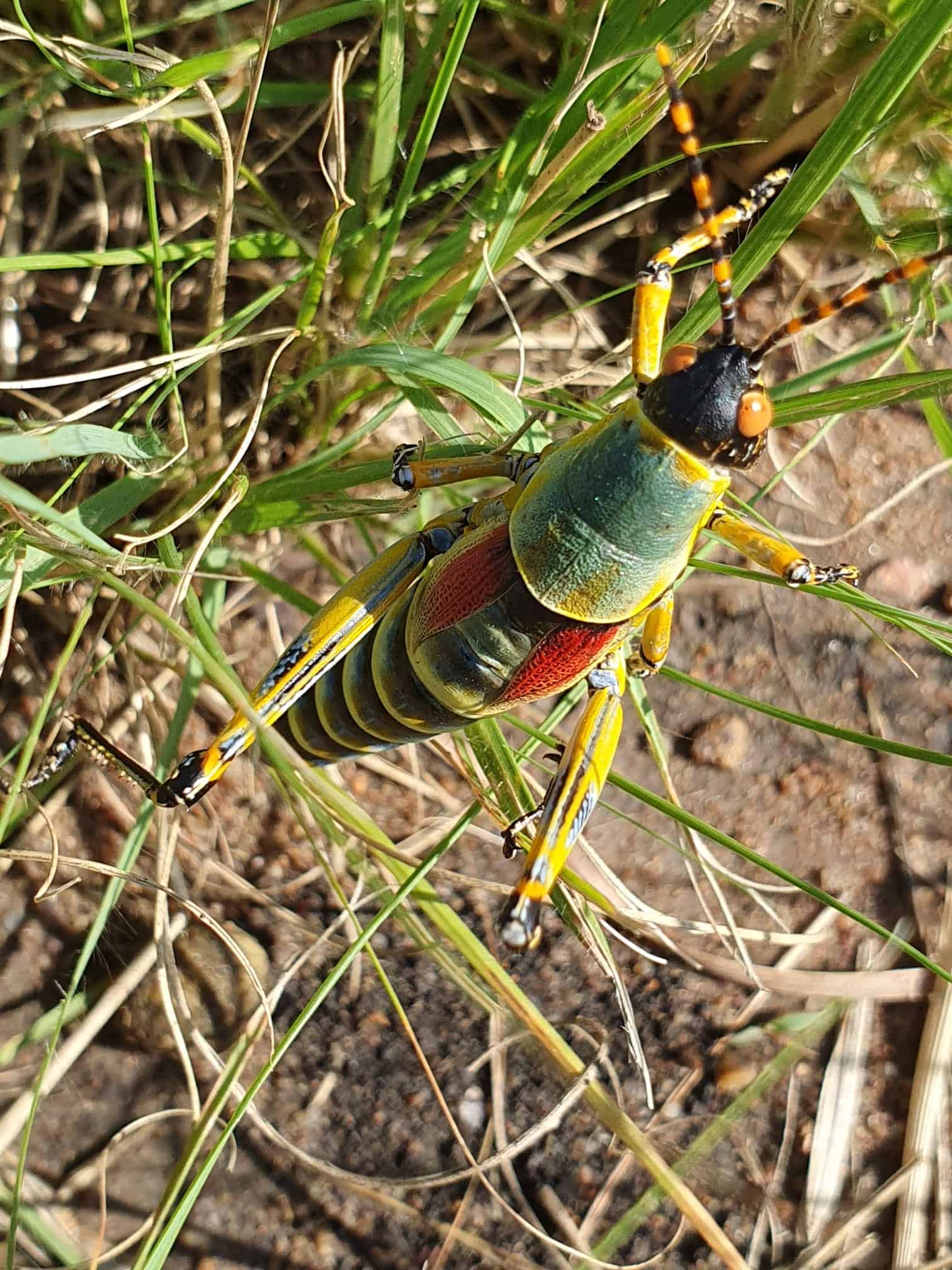
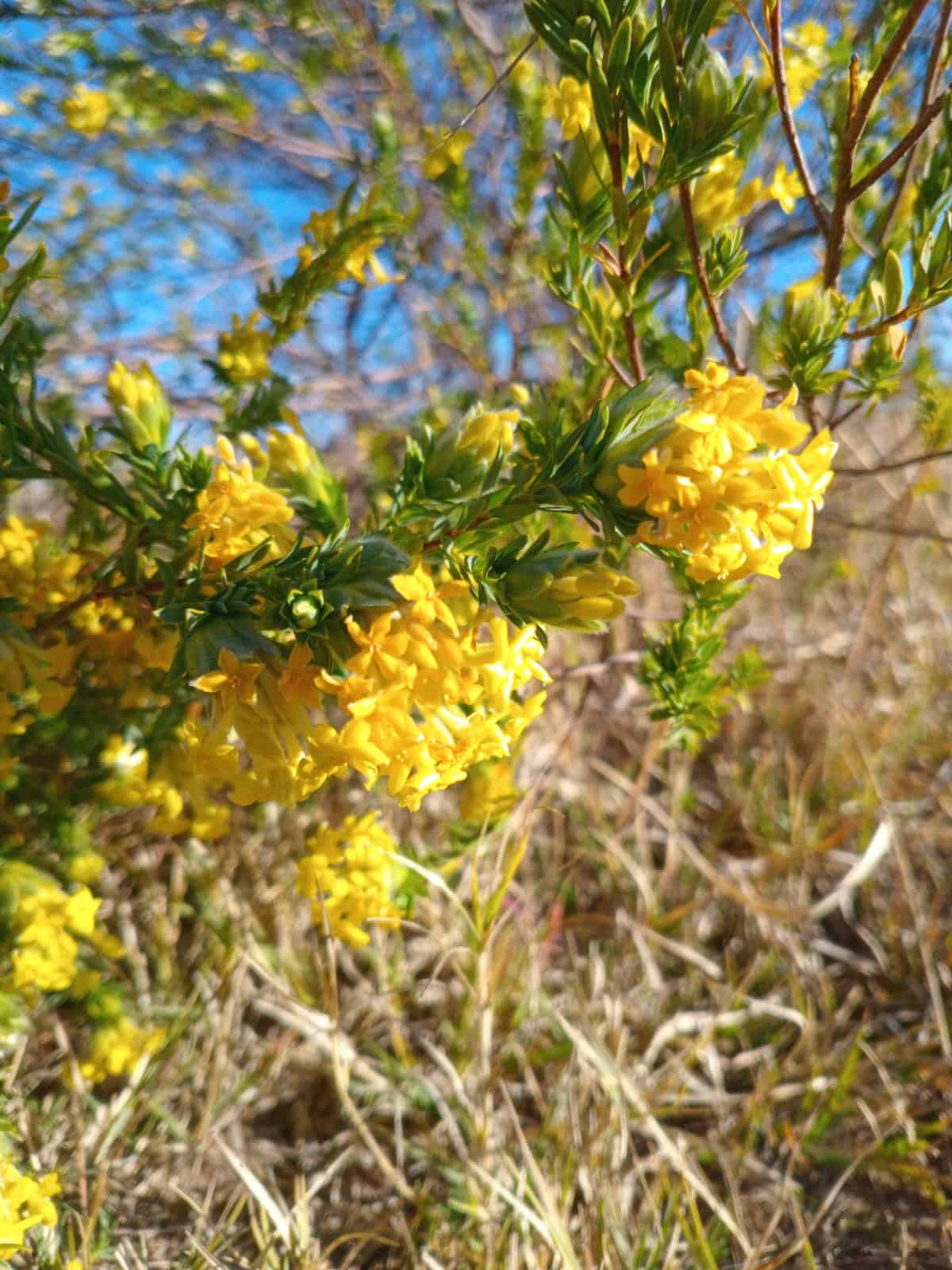
* Improvement in biodiversity of the environment
* Job creation by obtaining funds for the cleaning, development and maintenance of the area, and organising recycling initiatives through the existing network of those who make a living of recycling
* Opportunity for schools to offer additional activities around
environmental conservation
* Creation of a natural park area that is accessible to everyone. The project will not disturb or change the wetland environment as it currently exists, but utilise and preserve it. Assistance has been asked to professionally map the wetland area and to classify it as a conservation area.
* One hundred trees were allocated for the project by the Department of Economic and Small Business Development, Tourism and Environmental Affairs
The size and location of the wetland makes rehabilitation possible in phases. Initially, the upper part of the wetland (End Street next to the new school building in Vierde Laan, and down to the Parys Primary School’s sports grounds) will be rehabilitated.
After that, the focus will be on the polluted area along Noorder Street, past the Sasol filling station, and finally also where the Mimosa Spruit runs past Epilepsy SA’s Free State/Northwest Centre and flows into the Vaal River below the Mimosa Gardens.
“The idea for the project started with a few sports and nature enthusiasts who realised that the wetland had potential, and the ball was set to roll to see how this area with its rich bird life could come into its own,” says Leida Schuman, one of the volunteers involved in the project.
Much effort has been put into finding private and corporate funding for the project. Funds received will be managed by MooiParys as a non-profit organisation.
Cross-country and cycling routes:
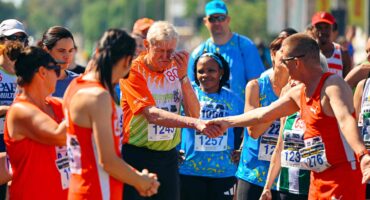
Marking of the 5km, 2km, 1km and 1.5km, routes that can be used by cross-country runners and mountain bikers has been done and the first Cross Country events held in the Wetland were a raving success