
World Retina Week: A New Perspective on Vision and Retinal Health
True eye care is proactive. Regular eye tests are the most important step you can take to protect your vision for a lifetime and safeguard your sight against permanent loss.
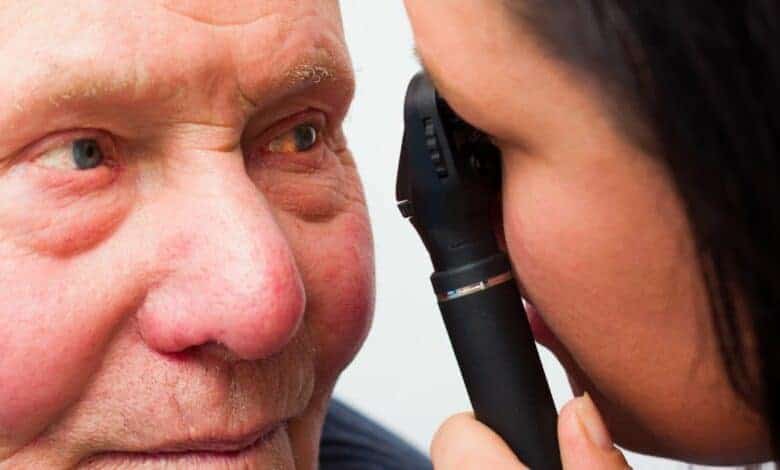
World Retina Week celebrated every year from September 23rd to September 29th, exists to highlight the vulnerabilities of the retina, a delicate and crucial tissue at the back of the eye that functions like the light-sensitive film in a camera, capturing visual information and sending
it to the brain.
Many people do not realise that conditions such as myopia (nearsightedness) pose significant risks to the retina itself. This national awareness campaign run annually by Retina South Africa, stresses that maintaining long-term visual health requires more than just correcting blurry vision; it involves
understanding and protecting the essential structures of the eye.
The International Agency for the Prevention of Blindness (IAPB), notes that according to research one in two people will have myopia by 2050, with nearly one in ten at risk of developing high myopia.
Expert optometrist, Eela Makan from SpecSavers South Africa, explains how myopia affects the eye:
“When you have myopia, your eyeball grows too long, this thinning of the retina is where the real danger lies. A stretched retina is weaker and more prone to long term damage.”
While the exact causes are not fully understood, a lack of outdoor light exposure, particularly in childhood, is strongly linked to an increased elongation of the eyeball. Some research also suggests a\ link between extended screen time and close-up activities. Over time, this can lead to serious
conditions like damage to your central vision (affecting tasks such as reading), retinal tears and
detachment, and glaucoma.
According to the WHO, more than 1 billion people worldwide live with a preventable near or distance vision impairment. This highlights the vital importance of early detection, which can help save your sight.
Regular eye tests are essential for protecting vision, even when retinal conditions can’t be cured. As Makan recommends, “Via regular eye tests, an optometrist can spot the early signs of a stretched or damaged retina. This allows for early intervention, often with simple procedures, resulting in the
prevention of vision loss.”