
Seeing is no longer believing: AI and the ethics of deception
“Humour and creativity have always involved exaggeration, but there is an ethical line”, says Prof. Linda du Plessis.
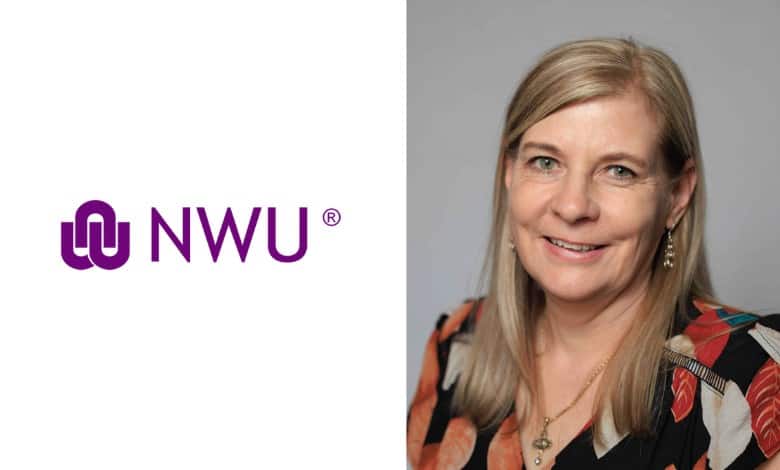
Professor Linda du Plessis, senior deputy vice-chancellor for teaching and learning at the North-West University (NWU), believes that simple digital integrity rules need to be adopted.
She refers to a graduation session she attended where students refused to go on stage when the photographer experienced a technical issue with his camera. “We live in an era where photographic evidence is required to prove that something happened”, said du Plessis.
Reports of people manipulating images or qualifications and then dismissing it as humorous or playful have raised questions of when digital creativity becomes deception and misrepresentation. Du Plessis said the answer is important for universities where credibility rests on evidence and intellectual honesty.
AI editing is so easy and freely available that with only a few prompts and minimal effort, an ordinary photograph can place someone at an international event, beside a scholar they never met, or on a platform where they never spoke.
“Humour and creativity have always involved exaggeration, but there is an ethical line”, said du Plessis. The line is crossed when an altered image is presented without disclosing that it is altered in circumstances where viewers could believe it records an actual event.
An invented photo is not just an edited picture; it is a false professional claim. South Africa has already experienced damaging forms of visual deception such as journalist, Leanne Mana whose image was used in advertisements and a video of Elon Musk promising investors huge monthly profits.
South Africa does not have a law dedicated to AI use, therefore the decision to edit an image should be guided by ethics rather than legality. Calling image manipulation, a joke does not remove deception. Humour depends on the audience understanding that something is not real. Misrepresentation depends on the hope that they will believe it is real.
“We need to adopt a simple rule of digital integrity”, said du Plessis. If an image has been edited in a way that changes the factual meaning, it should be clearly indicated and labelled as AI-generated or digitally altered, and original images should be preserved as evidence of attendance, achievement, endorsement or association.
AI images help humans to alter visual reality. They do not give humans an ethical right to alter the truth. Before clicking “post”, we should ask not “Does this look real?” but rather “Am I inviting people to believe something that never happened?”