The streets have eyes
PRAEGVILLE – Francesco Rizzuto was one of many living on the streets of Randburg.
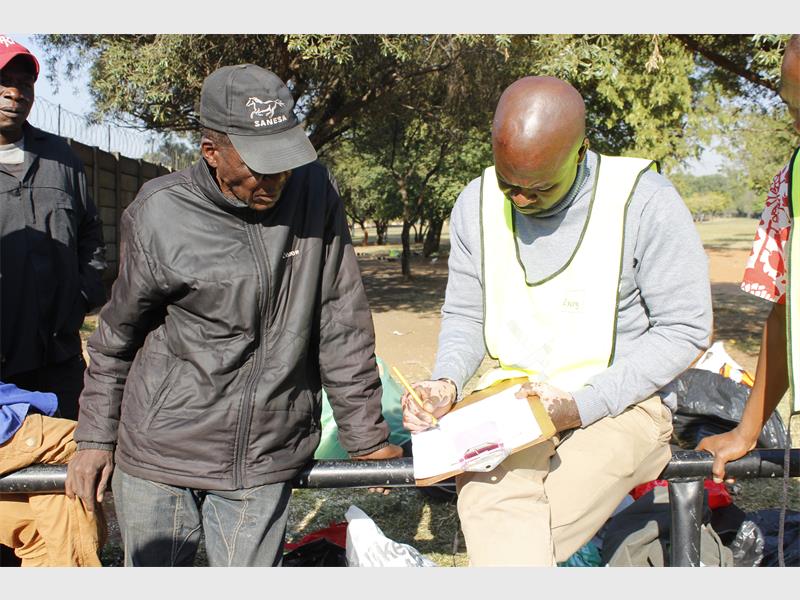
Francesco Rizzuto is a previously displaced man who detailed his journey to the streets of Randburg. The 27-year old had always searched for a sense of belonging. Although he came from a well-off family, he experienced the streets all the same. He is one of many who have found themselves on the streets of Johannesburg.
As a teenager, Rizzuto was in search of a sense of belonging and found it in the art and music he was exposed to by friends. Graffiti and hip-hop as art forms was one thing which captured the young man.
While touring the spaces that Rizzuto used to live and sleep at, the young man remarked that there were signs that there was an increase of people living in a particular area. He said when he used to stay in a particular area, their belongings were not ‘as visible’.
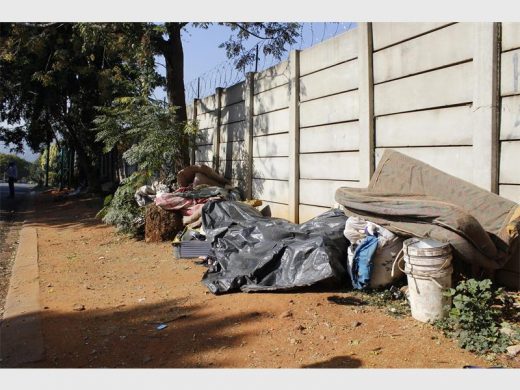
On the streets of Randburg, there has been a gradual increase of people living on the streets. Lack of employment is one factor which has led to the increase of criminal activity in order to survive as many found themselves in the northern suburbs in search of employment from elsewhere. South Africa’s disparity of socio-economic realities can be viewed using the streets of Randburg as a case study. Residents have complained that they feel unsafe and alarmed at the living conditions of those on the streets and how they may affect them as residents. This issue stemmed beyond eyesores and infestation problems.
According to www.statssa.gov.za, “…the majority of South Africa’s youth often falls within one of three categories: uneducated, unemployed, and unemployable. Quarter 1 of the 2019 QLFS indicated that youth (18–34) unemployment stands at 39,5 per cent. Among those not in education, employment or training (NEET) (46,8 per cent), the majority were female and black African, with just over a quarter (28,8 per cent) having tertiary qualifications.”
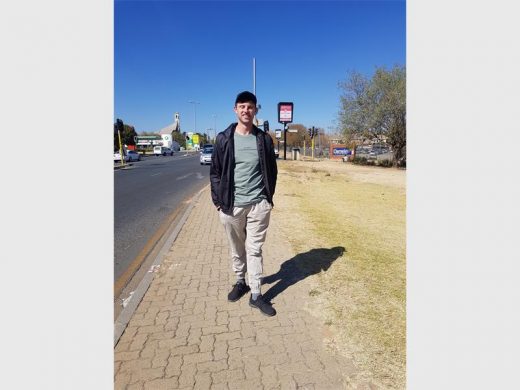
Rizzuto was one of many who have found themselves on the streets for a variety of reasons, where the youth have remained the largest group who find themselves displaced. On the streets of Randburg, the contrast is captured at intersections of roads, streets corners, parks and rivers.
Related Articles: