Years long sewage nightmare traps Randpark residents
Years of sewage overflows have left Randpark residents feeling abandoned as Johannesburg Water fails to come up with a permanent solution.
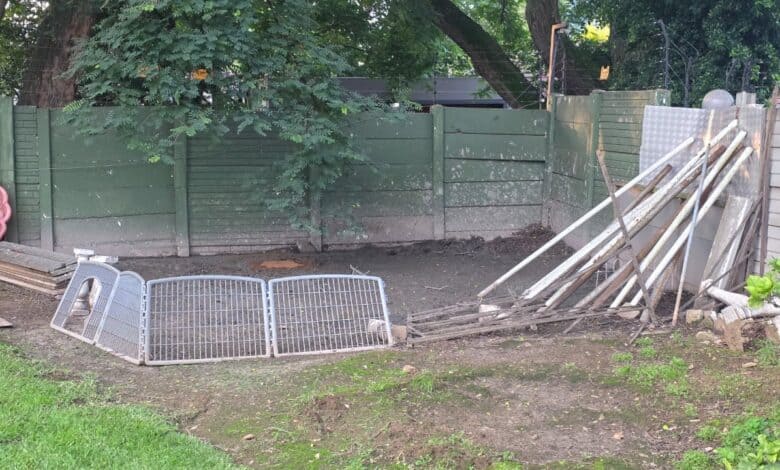
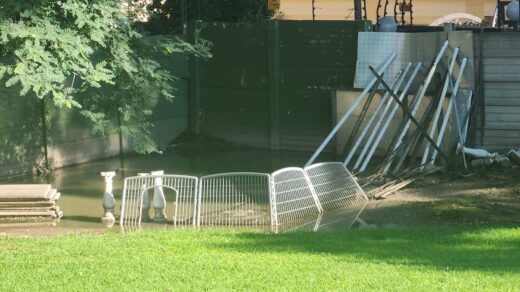
For residents of Randpark Drive, what should be the comfort of home has become a daily struggle against raw sewage, persistent stench, and growing health concerns.
At the centre of the crisis is a recurring blockage in the sewer main, affecting properties along the street, most severely number 76, where homeowners say the problem has gone unresolved for years.
Read more: Johannesburg Water has a plan for sewage crisis in Ward 98
Trudi Smit, who moved into her Randpark Drive home in 2019, said the sewage overflow was only disclosed to her on the day she received the keys. “We have had endless problems with the main sewer that overflows in our yard. We have escalated the issue for the past six years and are not getting anywhere with support from either council or the municipality.”
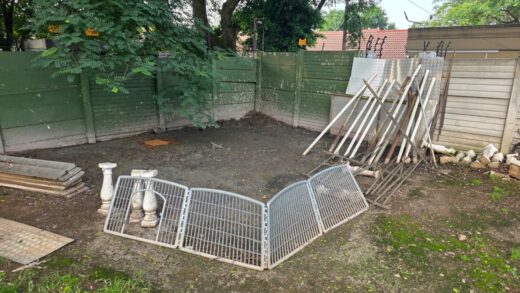
Smit said the situation deteriorated rapidly despite repeated service requests. “We have been reporting, and it is just getting worse by the day, with no light in the tunnel as to when they will come to resolve it.”
The impact has extended beyond inconvenience. “I have dogs that are now sick. We cannot do anything in our yard or even sit outside due to the stench.”
Although a municipal team was eventually dispatched, Smit says the intervention offered little relief. “With a lot of escalations and screams, they sent out a team to open it up, but they did not resolve the problem.
Also read: Sewage is taking over the streets of Windsor East
She added that both her boundary wall and a neighbour’s wall are visibly sagging. “We are scared it is going to collapse.”
Langutani Chauke, Johannesburg Water’s regional manager for Randburg and Roodepoort operations network, said the recurring blockages are primarily caused by root intrusion from trees into the sewer pipes, as well as infiltration of storm water during the rainy season. She explained that the sewer line is a mid-block sewer, meaning it runs inside the yard due to the area’s topography.
According to Chauke, maintenance is further hampered by two missing manholes required for sewer maintenance, where permanent structures may have been built over them. The absence of these access points makes routine maintenance difficult.
He noted that while there is no permanent repair to root intrusion on sewer systems, regular maintenance using jetting trucks equipped with root cutters can reduce blockages. She said the last service request indicates the blockage was cleared on November 29, and that locating the missing manholes would be key to preventing future incidents.
As residents continue to live with sewage in their yards and fears about health, property damage and safety remain unresolved, and patience, as they say, is wearing thin.
Follow us on our Whatsapp channel, Facebook, X, Instagram, and TikTok for the latest updates and inspiration!