Johannesburg Water tackles Klein Jukskei River sewage spill
Fontainebleau residents report severe health impacts and dead wildlife as a persistent stench overpowers their neighbourhood.
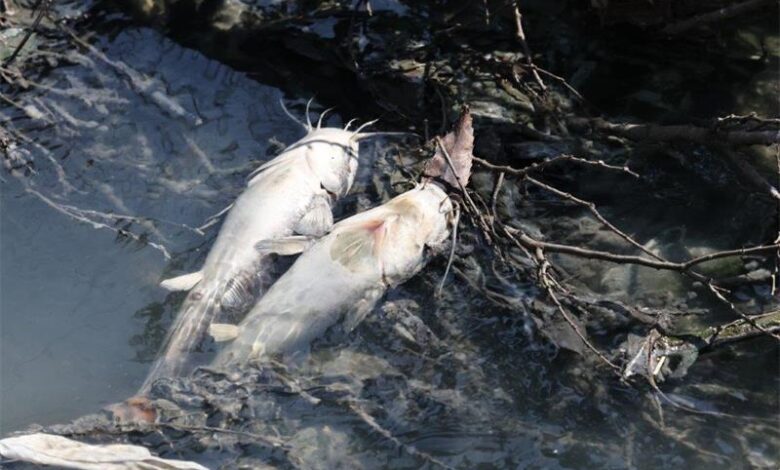
Johannesburg Water has confirmed it is attending to a sewage spillage flowing into the Klein Jukskei River, with repairs expected to take several days.
Spokesperson Nombuso Shabalala said a blockage below the N1 highway – the boundary between two Johannesburg Water regions – caused the spillage, with the affected section sitting before the turning lane that joins Beyers Naudé Drive. “The delays were due to the sewer flowing from one region into another region,” Shabalala said, adding that a team is focusing on repairing the broken bulk pipeline.
Read more: Years long sewage nightmare traps Randpark residents
Once repairs are complete, the entity’s environmental department will test the water. “Depending on the test results, Johannesburg Water will respond accordingly about cleaning and restoring the river after the sewage spill is stopped,” Shabalala said, noting that the communication department would issue progress updates.
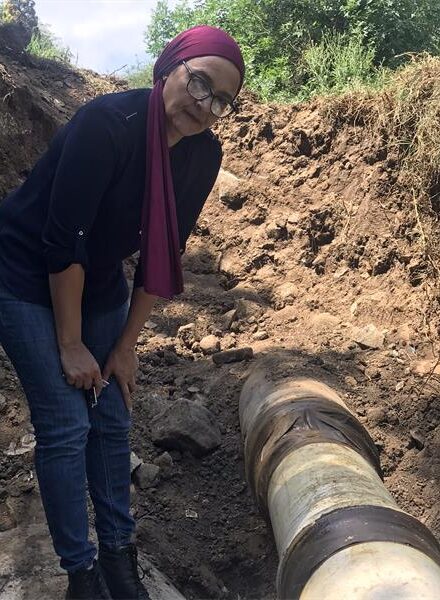
Ward 98 councillor Beverley Jacobs said an initial temporary repair by the entity failed. “I escalated the matter to the Johannesburg Water networks manager, and the team returned to site and stopped the sewage flow from the original identified source,” Jacobs said. “However, on inspection on September 3, it was found that sewage was still flowing through the river, indicating that there may be another source.”
Jacobs said the priority was to identify and stop the remaining source of pollution to prevent further contamination, adding that she would continue following up until the matter was resolved.
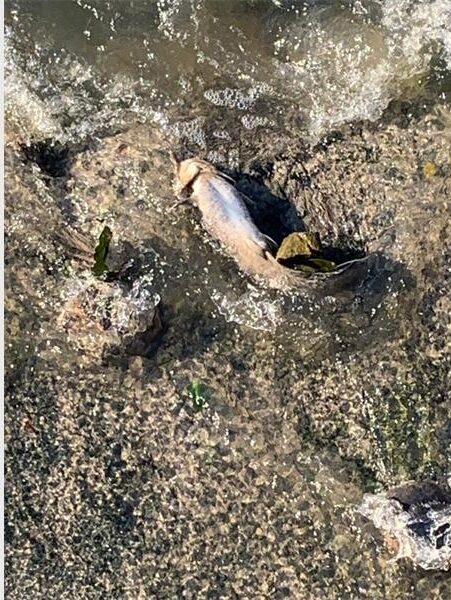
Fontainebleau residents near the Klein Jukskei River have raised concerns over the pollution, which has caused wildlife deaths. The untreated sewage has turned sections of the river into a contaminated waterway, with fish and other aquatic animals found dead along the banks.
Residents from Randpark, Fontainebleau, Malanshof and other areas have also reported an unbearable daily stench. Many fear that prolonged exposure to the polluted environment could lead to serious health problems, particularly for children, older people, and those with weakened immune systems.
Also read: WATCH: Sewage causes frustration for Northgate residents
Fontainebleau resident Johan Bekker said the foul odour began about three months ago and progressively worsened, accompanied by dead fish floating downstream. “My wife is suffering from respiratory effects from this very bad odour,” Bekker said, explaining that their bedroom was a mere 5m from the polluted river and that the problem had worsened over time as more spillages came down the river.
Dr Ferrial Adam, executive manager of WaterCAN, explained that sewage flowing into a river was a serious public health and environmental concern. “Untreated sewage can contain disease-causing bacteria, viruses and parasites, as well as nutrients and other pollutants that degrade water quality,” she said. “Residents, children and animals should not come into contact with contaminated river water. The risk is particularly concerning where the river is used for recreation, livestock watering or where contaminated water can enter homes or gardens.”
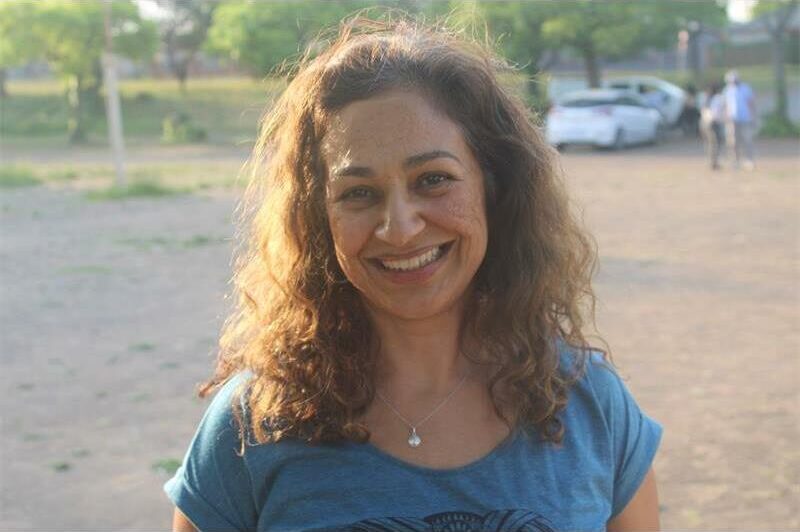
She said that continuous sewage pollution could severely damage a river ecosystem. “High levels of organic pollution can reduce dissolved oxygen in the water, creating conditions in which fish and other aquatic organisms cannot survive. Excess nutrients can also contribute to algae growth and further deterioration in water quality. Sewage can additionally introduce pathogens and other contaminants into the river.”
Adam added that the reported fish deaths were therefore a serious warning sign, but could not be attributed to sewage with certainty without water-quality and biological testing. “Authorities should urgently test the water upstream and downstream of the pollution source, including for dissolved oxygen, ammonia, nutrients, faecal contamination and other relevant pollutants,” she said. “The cause of the fish deaths should be properly investigated rather than allowing the river to remain polluted while residents and wildlife bear the consequences.”
Follow us on our Whatsapp channel, Facebook, X, Instagram, and TikTok for the latest updates!